Madras School of Chess: Building Strong Minds Through Smart Practice and Strategic Thinking
Mar 11th, 2026
In chess, discipline is often considered the secret ingredient behind strong players. Many people believe that the more self-controlled and focused a player is, the higher their rating will be. While discipline certainly helps a player stay committed to training, modern chess insights and player data suggest that improvement in chess depends on several factors working together rather than discipline alone.

For students and aspiring players, this insight is encouraging. Success in chess is not determined by a single personality trait. Instead, it grows through structured learning, consistent practice, early exposure to the game, and the right guidance.
At Madras School of Chess, this philosophy shapes the way young players and adult learners develop their skills and grow into confident, strategic thinkers.
Beyond Discipline: What Really Improves Chess Strength
Self-control helps players stay focused during long games and maintain regular study habits. However, when competitive chess players are analyzed, discipline by itself does not strongly predict a player’s rating.
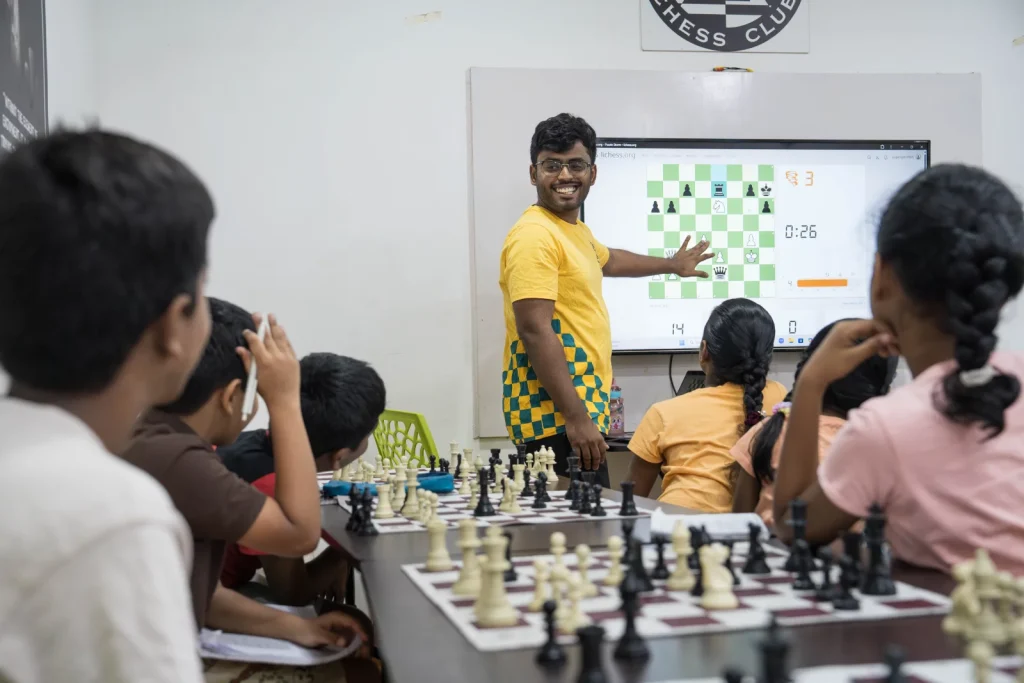
What matters more is how players practice.
Chess improvement is strongly connected to deliberate practice — focused training activities designed specifically to improve performance. This includes:
• Analyzing personal games to understand mistakes
• Solving tactical puzzles and calculation exercises
• Studying classic and modern master games
• Learning endgame techniques
• Receiving feedback from experienced coaches
This type of structured training helps players build pattern recognition, calculation ability, and strategic understanding — all essential skills for improving on the chessboard.
The Power of Starting Early
Another interesting pattern seen among strong players is the age at which they begin learning chess seriously. Players who start training earlier often reach higher levels later because they have more time to build experience and pattern recognition.

Young players naturally develop stronger visualization skills and faster decision-making when they practice chess consistently from an early age. This is one of the reasons why structured chess training for children can be so powerful in shaping their thinking skills.
At the same time, it is important to remember that chess improvement is possible at any age. Adults who practice consistently with the right training methods can still achieve significant progress.
Practice Brings Results — But With Diminishing Returns
Structured practice plays a major role in chess development, but improvement does not happen in a straight line. In the early stages of learning, players often see rapid progress because they are discovering new ideas and patterns.

As players become stronger, improvement slows down because each additional step requires deeper understanding and more advanced training. This is completely normal and happens in nearly every skill-based activity.
The key is quality practice rather than just quantity.
Studying with proper guidance, reviewing games carefully, and learning from mistakes can accelerate improvement far more than simply playing many random games online.
Confidence and Learning Mindset
Another factor that often influences progress in chess is a player’s belief in their own ability to learn and improve. Players who believe they can develop stronger thinking skills tend to invest more effort in structured training and problem-solving.

This positive learning mindset encourages players to tackle difficult positions, analyze complex games, and keep improving even after losses. Over time, this consistent effort builds deeper understanding and stronger performance.
How the Right Training Environment Helps
For young learners especially, having the right training environment can make a big difference. Structured chess coaching provides direction, feedback, and progressive learning paths that help students grow steadily.

At Madras School of Chess, students learn through a balanced approach that combines:
• Tactical training and puzzle solving
• Strategic understanding and positional play
• Game analysis and tournament preparation
• Logical thinking and decision-making skills
This approach ensures that students develop not only chess strength but also concentration, patience, and analytical thinking.
The Real Formula for Chess Improvement
Chess success rarely comes from a single factor. Instead, it is the result of several elements working together:
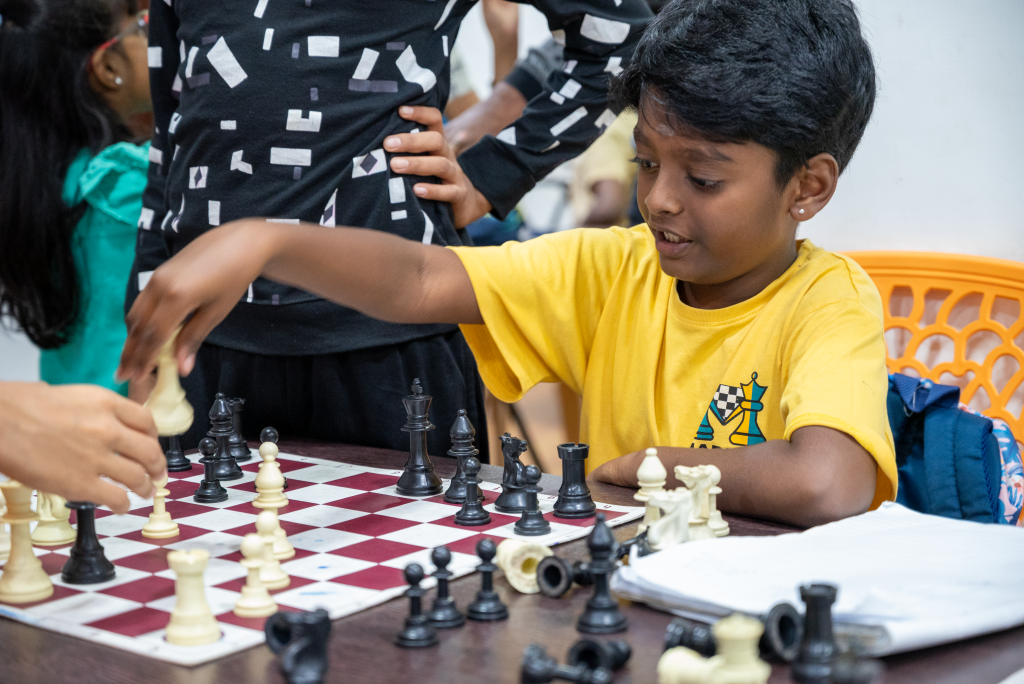
• Consistent and structured practice
• Early exposure and long-term learning
• Strong analytical thinking skills
• Positive learning mindset
• Expert guidance and coaching
When these factors combine, players gradually build the experience and understanding required to perform at higher levels.
Final Thoughts
Discipline is helpful in chess, but it is only one piece of a much larger puzzle. True improvement comes from structured learning, thoughtful practice, and continuous curiosity about the game.
For children and adults who want to explore the beauty of chess while sharpening their thinking skills, the right learning environment can make all the difference.
Join Madras School of Chess – Chennai’s leading chess academy – and start your journey toward smarter thinking, stronger strategy, and championship-level chess skills.
♟️ Ready to Level Up Your Game?
𝐉𝐨𝐢𝐧 𝐌𝐚𝐝𝐫𝐚𝐬 𝐒𝐜𝐡𝐨𝐨𝐥 𝐨𝐟 𝐂𝐡𝐞𝐬𝐬 𝐭𝐨 𝐝𝐞𝐟𝐞𝐚𝐭 𝐲𝐨𝐮𝐫 𝐨𝐩𝐩𝐨𝐧𝐞𝐧𝐭 𝐰𝐢𝐭𝐡 𝐛𝐫𝐢𝐥𝐥𝐢𝐚𝐧𝐜𝐞 𝐚𝐧𝐝 𝐩𝐫𝐞𝐜𝐢𝐬𝐢𝐨𝐧!
📍 Locations: T.Nagar | Anna Nagar | Mandaveli | Online
📞 Call: +91 98404 03376
🌐 Visit: www.madrasschoolofchess.com
📲 Follow us: @madrasschoolofchess
© The Madras School of Chess
Created by Webdzo
 Chat with us