How to Obtain a FIDE Rating: Your Ultimate Guide to Becoming a Rated Chess Player
Feb 25th, 2025
If you’re passionate about chess and aspire to compete at a professional level, securing a FIDE rating is a crucial step. Recognized globally, a FIDE (Fédération Internationale des Échecs) rating reflects your performance in official tournaments and establishes your standing in the chess community. This guide will take you through the essential steps to obtaining your first FIDE rating.
𝐒𝐭𝐞𝐩 𝟏: 𝐎𝐛𝐭𝐚𝐢𝐧 𝐚 𝐅𝐈𝐃𝐄 𝐈𝐃
Before participating in FIDE-rated tournaments, you must acquire a FIDE ID. This unique identification number is issued through your national chess federation and serves as your official record in FIDE events. The process to obtain one varies by country but typically includes:
𝟏.𝐑𝐞𝐠𝐢𝐬𝐭𝐞𝐫𝐢𝐧𝐠 𝐰𝐢𝐭𝐡 𝐲𝐨𝐮𝐫 𝐧𝐚𝐭𝐢𝐨𝐧𝐚𝐥 𝐜𝐡𝐞𝐬𝐬 𝐟𝐞𝐝𝐞𝐫𝐚𝐭𝐢𝐨𝐧.
𝟐.𝐏𝐫𝐨𝐯𝐢𝐝𝐢𝐧𝐠 𝐩𝐞𝐫𝐬𝐨𝐧𝐚𝐥 𝐝𝐞𝐭𝐚𝐢𝐥𝐬 𝐬𝐮𝐜𝐡 𝐚𝐬 𝐲𝐨𝐮𝐫 𝐟𝐮𝐥𝐥 𝐧𝐚𝐦𝐞, 𝐝𝐚𝐭𝐞 𝐨𝐟 𝐛𝐢𝐫𝐭𝐡, 𝐚𝐧𝐝 𝐧𝐚𝐭𝐢𝐨𝐧𝐚𝐥𝐢𝐭𝐲.
𝟑.𝐏𝐚𝐲𝐢𝐧𝐠 𝐚𝐧𝐲 𝐚𝐩𝐩𝐥𝐢𝐜𝐚𝐛𝐥𝐞 𝐟𝐞𝐞𝐬 𝐫𝐞𝐪𝐮𝐢𝐫𝐞𝐝 𝐛𝐲 𝐲𝐨𝐮𝐫 𝐧𝐚𝐭𝐢𝐨𝐧𝐚𝐥 𝐟𝐞𝐝𝐞𝐫𝐚𝐭𝐢𝐨𝐧.
Once you receive your FIDE ID, all your rated games and tournament performances will be tracked under this identifier, forming the foundation of your chess career.
In the next steps, we’ll explore how to participate in FIDE-rated tournaments and earn your first official chess rating!

𝐒𝐭𝐞𝐩 𝟐: 𝐋𝐨𝐜𝐚𝐭𝐞 𝐚 𝐅𝐈𝐃𝐄-𝐑𝐚𝐭𝐞𝐝 𝐓𝐨𝐮𝐫𝐧𝐚𝐦𝐞𝐧𝐭
To acquire a FIDE rating, you must participate in an officially recognized FIDE-rated tournament. You can find such events by:
Checking your national chess federation’s website for details on upcoming rated tournaments.
Visiting the FIDE website (www.fide.com) to explore international tournament listings.
Consulting local chess clubs to see if they host or have information about FIDE-rated competitions.
Ensure that the tournament adheres to FIDE regulations, as not all chess events qualify for official rating calculations.
𝐒𝐭𝐞𝐩 𝟑: 𝐌𝐞𝐞𝐭𝐢𝐧𝐠 𝐭𝐡𝐞 𝐁𝐚𝐬𝐢𝐜 𝐑𝐞𝐪𝐮𝐢𝐫𝐞𝐦𝐞𝐧𝐭𝐬
To secure your initial FIDE rating, you must fulfill the following conditions:
Compete in a FIDE-rated tournament.
Score at least one point (win or draw) against an already-rated player.
Play a minimum of five games within a rated event.
Achieve a performance rating of at least 1400.
Step 4: Competing Against Rated Players
For your first rating to be assigned, you need to secure at least one point (either through a win or a draw) against players who already have a FIDE rating. If you fail to score against rated players, your performance will not be considered for obtaining a FIDE rating. You can estimate your provisional rating using the FIDE Rating Calculator.
𝐒𝐭𝐞𝐩 𝟓: 𝐀𝐰𝐚𝐢𝐭 𝐭𝐡𝐞 𝐏𝐮𝐛𝐥𝐢𝐜𝐚𝐭𝐢𝐨𝐧 𝐨𝐟 𝐘𝐨𝐮𝐫 𝐑𝐚𝐭𝐢𝐧𝐠
Once your tournament concludes, the event organizers will submit the results to FIDE. Official ratings are updated on the 1st of every month and can be accessed on the FIDE website (ratings.fide.com). If you have met all requirements, your name will appear in the FIDE rating list.
𝐒𝐭𝐞𝐩 𝟔: 𝐂𝐨𝐧𝐭𝐢𝐧𝐮𝐞 𝐏𝐥𝐚𝐲𝐢𝐧𝐠 𝐭𝐨 𝐈𝐦𝐩𝐫𝐨𝐯𝐞 𝐘𝐨𝐮𝐫 𝐑𝐚𝐭𝐢𝐧𝐠
Earning a FIDE rating is just the beginning. To enhance your rating, consider:
Competing regularly in rated tournaments.
Studying chess openings, middlegame strategies, and endgames.
Analyzing your games to identify areas for improvement.
Challenging stronger players to gain practical experience.
Achieving a FIDE rating is an exciting milestone, allowing you to compete internationally, monitor your progress, and set new objectives. Whether your goal is to reach 2000+ or beyond, consistent practice and strategic learning are key to improvement.
If you’re looking for high-level practice games against Titled Players, check out BoltChess (boltchess.com)—a great platform to gain valuable experience before entering an official FIDE-rated tournament.
Ready to Elevate Your Chess Skills?
Join the Madras School of Chess, where champions are made! Whether you’re a beginner or an advanced player, our expert coaching will help you master the game.
📍 Locations: T.Nagar, Anna Nagar, Mandaveli & Online
📞 Call: +91 98404 03376
🌐 Visit: www.madrasschoolofchess.com
Start your journey to chess mastery today! ♟️🚀
𝐂𝐚𝐫𝐥𝐬𝐞𝐧 𝐑𝐞𝐭𝐮𝐫𝐧𝐬 𝐭𝐨 𝐂𝐥𝐚𝐬𝐬𝐢𝐜𝐚𝐥 𝐂𝐡𝐞𝐬𝐬: 𝐅𝐢𝐫𝐬𝐭 𝐒𝐡𝐨𝐰𝐝𝐨𝐰𝐧 𝐰𝐢𝐭𝐡 𝐖𝐨𝐫𝐥𝐝 𝐂𝐡𝐚𝐦𝐩𝐢𝐨𝐧 𝐆𝐮𝐤𝐞𝐬𝐡
Feb 18th, 2025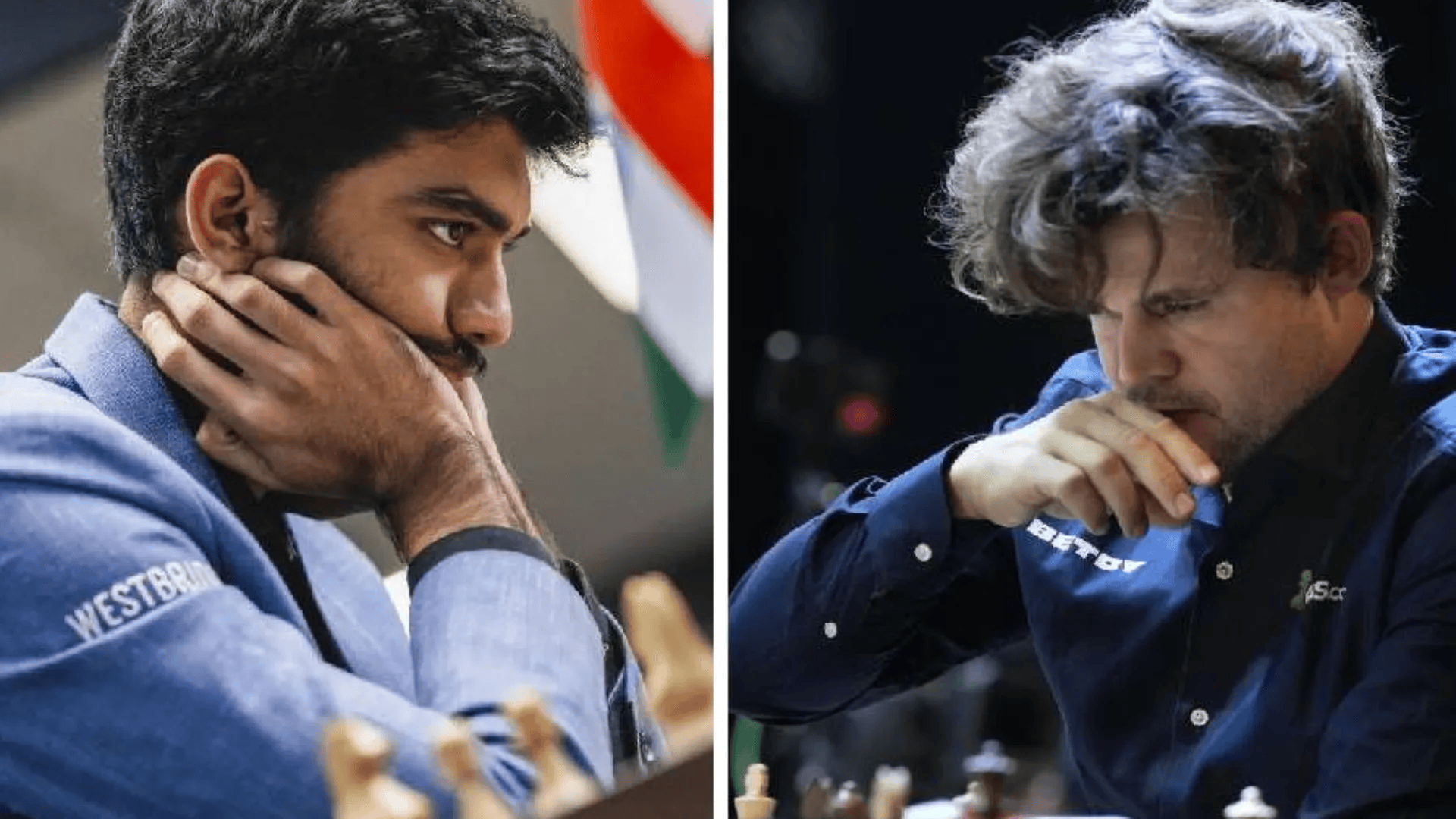
The 13th edition of Norway Chess will witness the first classical encounter between reigning World Champion GM Gukesh Dommaraju and world number-one GM Magnus Carlsen since Gukesh’s historic title victory in Singapore.
Staying true to its traditions, Norway Chess will retain its established format, prize fund, and venue, with eight of the twelve participants from last year returning to compete.
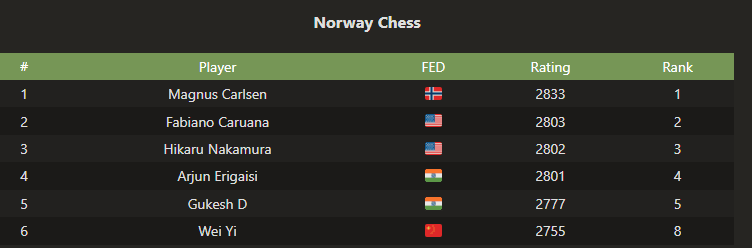
The prestigious tournament will take place in Stavanger, Norway, from May 26 to June 7, featuring a six-player double round-robin classical event. Alongside the main event, the Norway Chess Women tournament will also continue, showcasing six formidable players.
𝐍𝐨𝐫𝐰𝐚𝐲 𝐂𝐡𝐞𝐬𝐬 𝟐𝟎𝟐𝟓: 𝐀 𝐇𝐢𝐠𝐡-𝐒𝐭𝐚𝐤𝐞𝐬 𝐁𝐚𝐭𝐭𝐥𝐞 𝐀𝐰𝐚𝐢𝐭𝐬
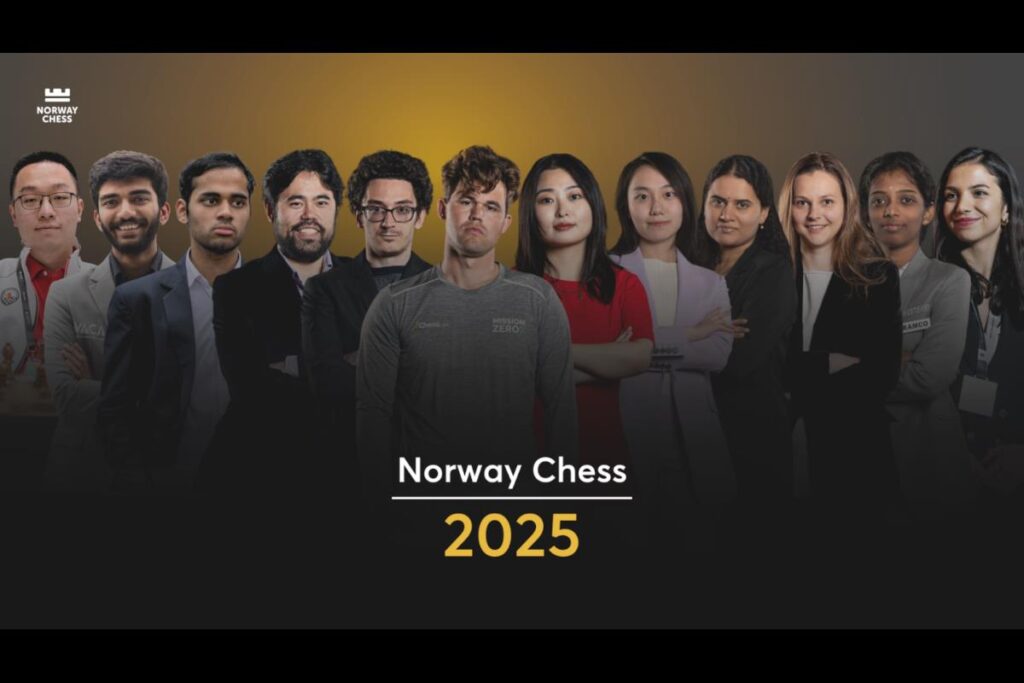
The highly anticipated 13th edition of Norway Chess is set to bring an electrifying encounter between World Champion GM Gukesh Dommaraju and World No. 1 GM Magnus Carlsen. This marks their first classical game since Gukesh claimed the world title in Singapore, making it one of the most awaited clashes in modern chess history.
𝐓𝐫𝐚𝐝𝐢𝐭𝐢𝐨𝐧 𝐂𝐨𝐧𝐭𝐢𝐧𝐮𝐞𝐬: Format, Prize Fund & Venue Remain Unchanged
Norway Chess maintains its signature format, prize pool, and venue, with eight of the twelve participants returning from last year. From May 26 to June 7, Stavanger will host a six-player double round-robin classical tournament, ensuring an intense competition among the world’s elite players. Alongside the Open section, the Norway Chess Women event also returns with a strong lineup.

𝐓𝐡𝐞 𝐓𝐢𝐭𝐚𝐧𝐬 𝐀𝐬𝐬𝐞𝐦𝐛𝐥𝐞: 𝐂𝐚𝐫𝐥𝐬𝐞𝐧’𝐬 𝐑𝐚𝐫𝐞 𝐂𝐥𝐚𝐬𝐬𝐢𝐜𝐚𝐥 𝐀𝐩𝐩𝐞𝐚𝐫𝐚𝐧𝐜𝐞
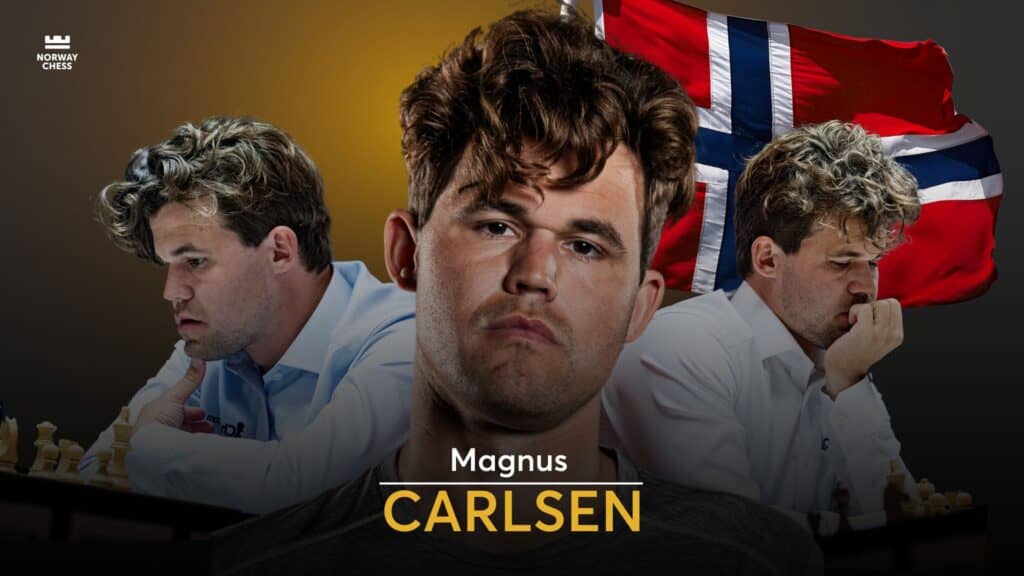
The tournament boasts a powerhouse lineup, featuring six of the world’s top eight players. Among them are six-time Norway Chess champion Carlsen, 2023 winner GM Hikaru Nakamura, and 2018 champion GM Fabiano Caruana.
Making a strong return is World Champion Gukesh, who impressed with a third-place finish in 2023. Indian GM Arjun Erigaisi and China’s GM Wei Yi are set to make their debut in Stavanger, adding fresh excitement to the mix.
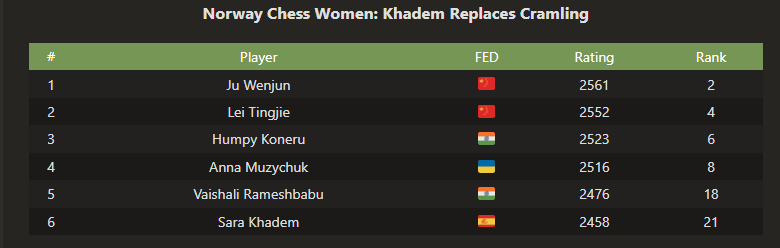
𝐀 𝐑𝐞𝐦𝐚𝐭𝐜𝐡 𝐘𝐞𝐚𝐫𝐬 𝐢𝐧 𝐭𝐡𝐞 𝐌𝐚𝐤𝐢𝐧𝐠:
Beyond the star-studded roster, all eyes will be on the long-awaited classical face-off between Carlsen and Gukesh. Their last encounter in the 2023 FIDE World Cup quarterfinal saw Carlsen emerge victorious, eliminating Gukesh with a 1.5-0.5 scoreline. Now, as the reigning world champion, Gukesh is ready to challenge Carlsen’s dominance.
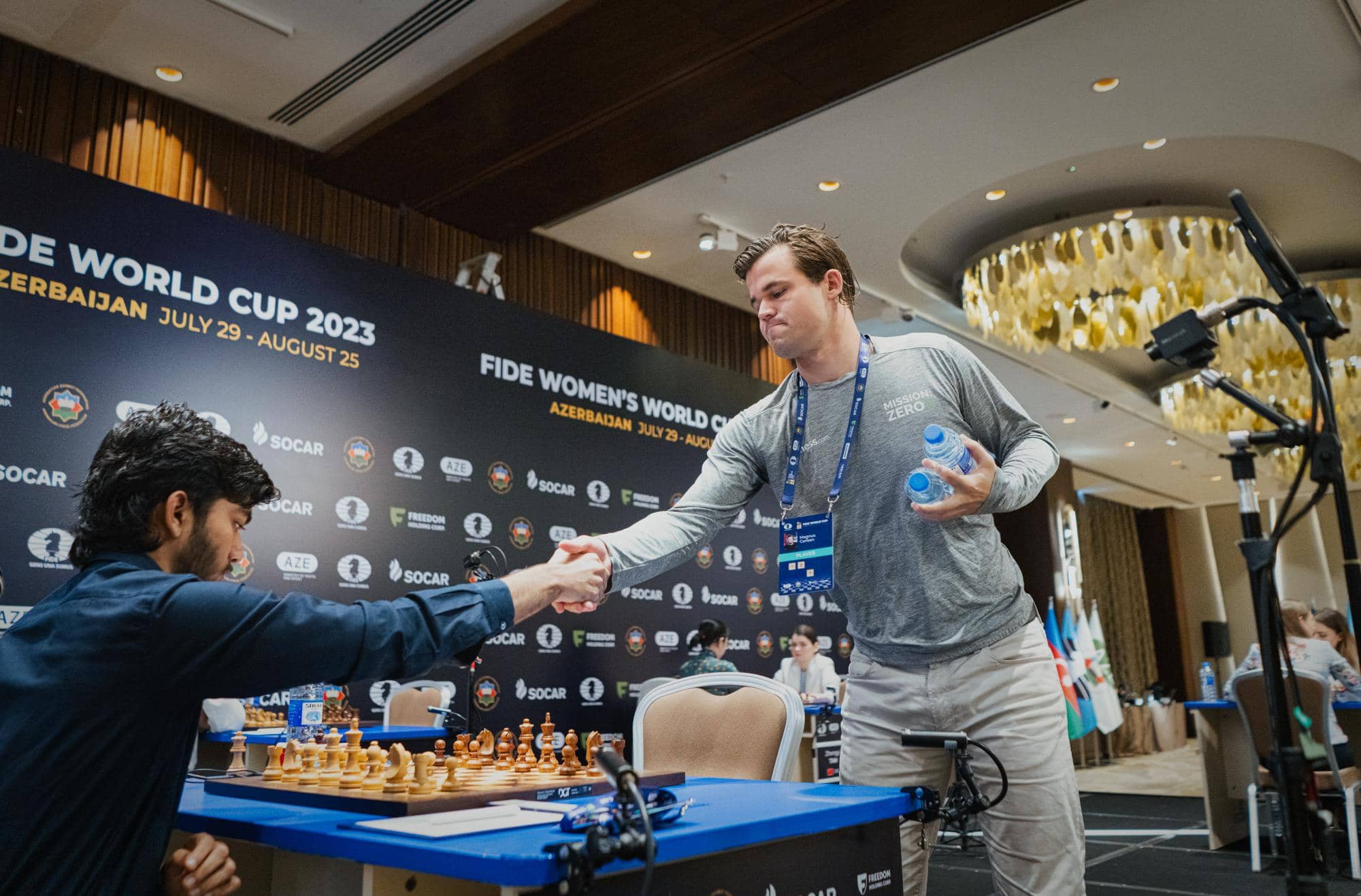
𝐂𝐄𝐎’𝐬 𝐈𝐧𝐬𝐢𝐠𝐡𝐭: 𝐀 𝐏𝐞𝐫𝐟𝐞𝐜𝐭 𝐁𝐥𝐞𝐧𝐝 𝐨𝐟 𝐓𝐚𝐥𝐞𝐧𝐭 𝐚𝐧𝐝 𝐃𝐢𝐯𝐞𝐫𝐬𝐢𝐭𝐲:
Norway Chess CEO Kjell Madland expressed excitement about the tournament’s stellar lineup.
“𝐖𝐞 𝐚𝐫𝐞 𝐞𝐱𝐭𝐫𝐞𝐦𝐞𝐥𝐲 𝐬𝐚𝐭𝐢𝐬𝐟𝐢𝐞𝐝 𝐰𝐢𝐭𝐡 𝐭𝐡𝐞 𝐟𝐢𝐞𝐥𝐝 𝐭𝐡𝐢𝐬 𝐲𝐞𝐚𝐫. 𝐈𝐭’𝐬 𝐚 𝐛𝐥𝐞𝐧𝐝 𝐨𝐟 𝐲𝐨𝐮𝐧𝐠, 𝐝𝐲𝐧𝐚𝐦𝐢𝐜 𝐩𝐥𝐚𝐲𝐞𝐫𝐬 𝐚𝐧𝐝 𝐞𝐬𝐭𝐚𝐛𝐥𝐢𝐬𝐡𝐞𝐝 𝐠𝐫𝐚𝐧𝐝𝐦𝐚𝐬𝐭𝐞𝐫𝐬. 𝐄𝐧𝐬𝐮𝐫𝐢𝐧𝐠 𝐝𝐢𝐯𝐞𝐫𝐬𝐞 𝐫𝐞𝐩𝐫𝐞𝐬𝐞𝐧𝐭𝐚𝐭𝐢𝐨𝐧 𝐟𝐫𝐨𝐦 𝐈𝐧𝐝𝐢𝐚, 𝐂𝐡𝐢𝐧𝐚, 𝐚𝐧𝐝 𝐭𝐡𝐞 𝐔.𝐒.𝐀. 𝐰𝐚𝐬 𝐚 𝐤𝐞𝐲 𝐩𝐫𝐢𝐨𝐫𝐢𝐭𝐲 𝐟𝐨𝐫 𝐮𝐬. 𝐓𝐡𝐢𝐬 𝐞𝐯𝐞𝐧𝐭 𝐰𝐢𝐥𝐥 𝐛𝐞 𝐚 𝐬𝐩𝐞𝐜𝐭𝐚𝐜𝐥𝐞.”
𝐂𝐚𝐫𝐥𝐬𝐞𝐧’𝐬 𝐒𝐡𝐢𝐟𝐭𝐢𝐧𝐠 𝐅𝐨𝐜𝐮𝐬: 𝐀 𝐑𝐚𝐫𝐞 𝐂𝐥𝐚𝐬𝐬𝐢𝐜𝐚𝐥 𝐀𝐩𝐩𝐞𝐚𝐫𝐚𝐧𝐜𝐞
Fans will cherish the opportunity to see Carlsen in a classical tournament, as his participation in this format has significantly decreased. In 2024, he played only 18 classical games—the lowest in his career. With his attention shifting towards freestyle formats and rapid events like the Freestyle Chess Grand Slam and Esports World Cup, Norway Chess might be his only classical event of 2025.
Despite this shift, the tournament organizers remain optimistic about his future involvement.
“𝐌𝐚𝐠𝐧𝐮𝐬 𝐡𝐚𝐬 𝐚𝐥𝐰𝐚𝐲𝐬 𝐞𝐧𝐣𝐨𝐲𝐞𝐝 𝐩𝐥𝐚𝐲𝐢𝐧𝐠 𝐡𝐞𝐫𝐞, 𝐚𝐧𝐝 𝐰𝐞 𝐡𝐚𝐯𝐞 𝐚 𝐠𝐫𝐞𝐚𝐭 𝐫𝐞𝐥𝐚𝐭𝐢𝐨𝐧𝐬𝐡𝐢𝐩 𝐰𝐢𝐭𝐡 𝐡𝐢𝐦. 𝐖𝐞 𝐞𝐱𝐩𝐞𝐜𝐭 𝐡𝐢𝐦 𝐭𝐨 𝐫𝐞𝐭𝐮𝐫𝐧 𝐢𝐧 𝐭𝐡𝐞 𝐜𝐨𝐦𝐢𝐧𝐠 𝐲𝐞𝐚𝐫𝐬,”
Madland confirmed.
𝐊𝐞𝐞𝐩𝐢𝐧𝐠 𝐭𝐡𝐞 𝐂𝐥𝐚𝐬𝐬𝐢𝐜𝐚𝐥 𝐓𝐫𝐚𝐝𝐢𝐭𝐢𝐨𝐧 𝐀𝐥𝐢𝐯𝐞
Norway Chess remains committed to preserving classical chess as its core format. While armageddon tiebreakers will still be in place, the primary focus is on long-form battles.
“𝐏𝐥𝐚𝐲𝐞𝐫𝐬 𝐡𝐚𝐯𝐞 𝐯𝐨𝐢𝐜𝐞𝐝 𝐭𝐡𝐚𝐭 𝐜𝐥𝐚𝐬𝐬𝐢𝐜𝐚𝐥 𝐭𝐨𝐮𝐫𝐧𝐚𝐦𝐞𝐧𝐭𝐬 𝐚𝐫𝐞 𝐛𝐞𝐜𝐨𝐦𝐢𝐧𝐠 𝐫𝐚𝐫𝐞. 𝐖𝐞 𝐰𝐚𝐧𝐭 𝐭𝐨 𝐮𝐩𝐡𝐨𝐥𝐝 𝐭𝐫𝐚𝐝𝐢𝐭𝐢𝐨𝐧 𝐰𝐡𝐢𝐥𝐞 𝐤𝐞𝐞𝐩𝐢𝐧𝐠 𝐢𝐭 𝐞𝐧𝐠𝐚𝐠𝐢𝐧𝐠,” Madland emphasized.
𝐖𝐨𝐦𝐞𝐧’𝐬 𝐍𝐨𝐫𝐰𝐚𝐲 𝐂𝐡𝐞𝐬𝐬: 𝐀 𝐂𝐨𝐦𝐦𝐢𝐭𝐦𝐞𝐧𝐭 𝐭𝐨 𝐄𝐪𝐮𝐚𝐥𝐢𝐭𝐲
Continuing its groundbreaking initiative, Norway Chess Women returns with an equal prize fund, reinforcing its dedication to gender parity.
Defending champion and Women’s World Champion GM Ju Wenjun leads the pack, followed by GM Lei Tingjie, GM Koneru Humpy, and GM Anna Muzychuk. New to the roster is IM Sara Khadem, replacing GM Pia Cramling.
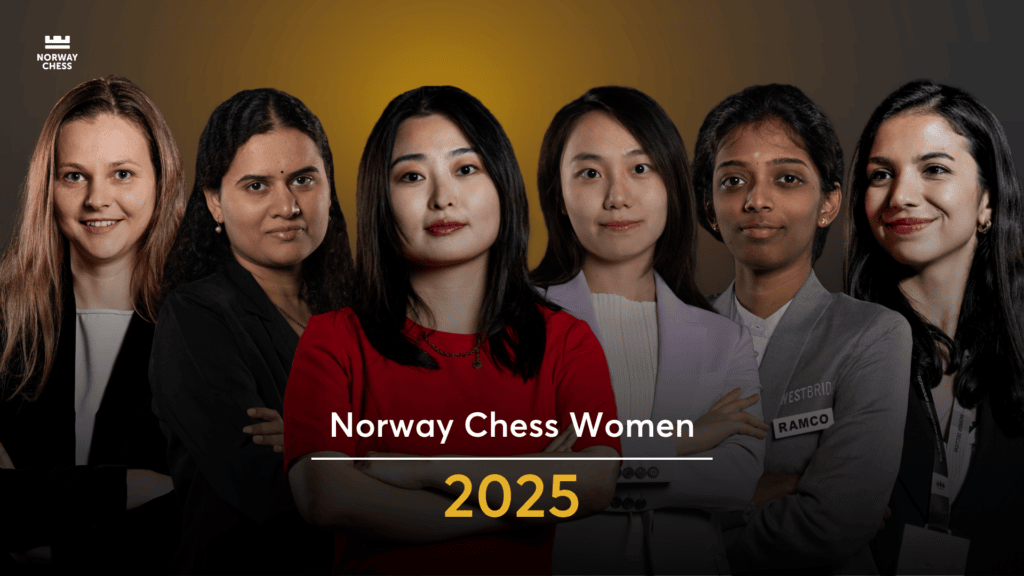
𝐆𝐞𝐧𝐞𝐫𝐚𝐥 𝐌𝐚𝐧𝐚𝐠𝐞𝐫 𝐁𝐞𝐧𝐞𝐝𝐢𝐜𝐭𝐞 𝐖𝐞𝐬𝐭𝐫𝐞 𝐒𝐤𝐨𝐠 𝐬𝐭𝐫𝐞𝐬𝐬𝐞𝐝 𝐭𝐡𝐞 𝐢𝐦𝐩𝐨𝐫𝐭𝐚𝐧𝐜𝐞 𝐨𝐟 𝐜𝐨𝐧𝐭𝐢𝐧𝐮𝐢𝐭𝐲:
“𝐓𝐡𝐢𝐬 𝐰𝐚𝐬𝐧’𝐭 𝐦𝐞𝐚𝐧𝐭 𝐭𝐨 𝐛𝐞 𝐚 𝐨𝐧𝐞-𝐭𝐢𝐦𝐞 𝐚𝐜𝐡𝐢𝐞𝐯𝐞𝐦𝐞𝐧𝐭. 𝐄𝐧𝐬𝐮𝐫𝐢𝐧𝐠 𝐞𝐪𝐮𝐚𝐥 𝐨𝐩𝐩𝐨𝐫𝐭𝐮𝐧𝐢𝐭𝐢𝐞𝐬 𝐲𝐞𝐚𝐫 𝐚𝐟𝐭𝐞𝐫 𝐲𝐞𝐚𝐫 𝐬𝐨𝐥𝐢𝐝𝐢𝐟𝐢𝐞𝐬 𝐨𝐮𝐫 𝐜𝐨𝐦𝐦𝐢𝐭𝐦𝐞𝐧𝐭 𝐭𝐨 𝐰𝐨𝐦𝐞𝐧’𝐬 𝐜𝐡𝐞𝐬𝐬.”
Madland added:
“𝐓𝐡𝐢𝐬 𝐢𝐧𝐢𝐭𝐢𝐚𝐭𝐢𝐯𝐞 𝐢𝐬𝐧’𝐭 𝐣𝐮𝐬𝐭 𝐚𝐛𝐨𝐮𝐭 𝐰𝐨𝐦𝐞𝐧 𝐢𝐧 𝐜𝐡𝐞𝐬𝐬—𝐢𝐭’𝐬 𝐚𝐛𝐨𝐮𝐭 𝐭𝐡𝐞 𝐟𝐮𝐭𝐮𝐫𝐞 𝐨𝐟 𝐭𝐡𝐞 𝐬𝐩𝐨𝐫𝐭 𝐚𝐬 𝐚 𝐰𝐡𝐨𝐥𝐞.”
𝐓𝐨𝐮𝐫𝐧𝐚𝐦𝐞𝐧𝐭 𝐒𝐭𝐫𝐮𝐜𝐭𝐮𝐫𝐞 & 𝐏𝐫𝐢𝐳𝐞 𝐅𝐮𝐧𝐝
The 2025 Norway Chess tournament will follow a double round-robin format, where each player faces every opponent twice.
𝐊𝐞𝐲 𝐃𝐞𝐭𝐚𝐢𝐥𝐬:
Time Control: 120 minutes for 40 moves, with a 10-second increment from move 41.
𝐒𝐜𝐨𝐫𝐢𝐧𝐠 𝐒𝐲𝐬𝐭𝐞𝐦:
Classical win:𝟑 𝐩𝐨𝐢𝐧𝐭𝐬
Classical loss: 𝟎 𝐩𝐨𝐢𝐧𝐭𝐬
Draw: 𝟏 𝐩𝐨𝐢𝐧𝐭 𝐞𝐚𝐜𝐡, 𝐰𝐢𝐭𝐡 𝐚𝐧 𝐚𝐝𝐝𝐢𝐭𝐢𝐨𝐧𝐚𝐥 𝐚𝐫𝐦𝐚𝐠𝐞𝐝𝐝𝐨𝐧 𝐛𝐚𝐭𝐭𝐥𝐞 𝐟𝐨𝐫 𝟎.𝟓 𝐛𝐨𝐧𝐮𝐬 𝐩𝐨𝐢𝐧𝐭𝐬.
𝐏𝐫𝐢𝐳𝐞 𝐅𝐮𝐧𝐝: 💰
Total Prize Pool (Each Event): 𝟏,𝟔𝟗𝟎,𝟎𝟎𝟎 𝐍𝐎𝐊 (~$𝟏𝟓𝟎,𝟎𝟎𝟎)
Winner’s Prize: 𝟕𝟎𝟎,𝟎𝟎𝟎 𝐍𝐎𝐊 (~$𝟔𝟏,𝟎𝟎𝟎)
Additionally, an open Swiss tournament will run parallel to the main event, providing a platform for emerging players.
𝐀 𝐂𝐡𝐞𝐬𝐬 𝐅𝐞𝐬𝐭𝐢𝐯𝐚𝐥 𝐋𝐢𝐤𝐞 𝐍𝐨 𝐎𝐭𝐡𝐞𝐫
With its iconic matchups, elite participation, and unwavering commitment to classical chess, Norway Chess 2025 promises to be a grand spectacle. As Carlsen and Gukesh prepare to battle in their first classical showdown, chess fans worldwide are in for an unforgettable tournament.
Stay tuned as Stavanger transforms into the ultimate battleground for chess supremacy!
Ready to Elevate Your Chess Skills?
Join the Madras School of Chess, where champions are made! Whether you’re a beginner or an advanced player, our expert coaching will help you master the game.
📍 Locations: T.Nagar, Anna Nagar, Mandaveli & Online
📞 Call: +91 98404 03376
🌐 Visit: www.madrasschoolofchess.com
Start your journey to chess mastery today! ♟️🚀
Blitz Tournament 2025: Unleash Your Chess Potential with Madras School of Chess
Jan 27th, 2025
The Blitz Tournament 2025 marks the 4th edition of the highly anticipated Blitz series organized by the Madras School of Chess. Building on the overwhelming success of its previous tournaments, this edition is specifically tailored for unrated players, offering a golden opportunity for budding chess enthusiasts to showcase their talent and passion for the game.
Designed to nurture emerging talent, the tournament creates a fair and competitive environment where participants can challenge themselves, gain valuable experience, and test their skills against equally determined players. Whether you’re new to tournaments or seeking to establish your presence in the chess community, this event is the perfect platform to take your first big leap into competitive chess!
With a focus on inclusivity and learning, the Blitz Tournament series reflects Madras School of Chess’s unwavering commitment to fostering young talents and building a strong chess culture in the region. Join us in celebrating the love for chess and take your first step toward a promising future in the game!
Unleash Your Chess Potential at the Blitz Tournament 2025!
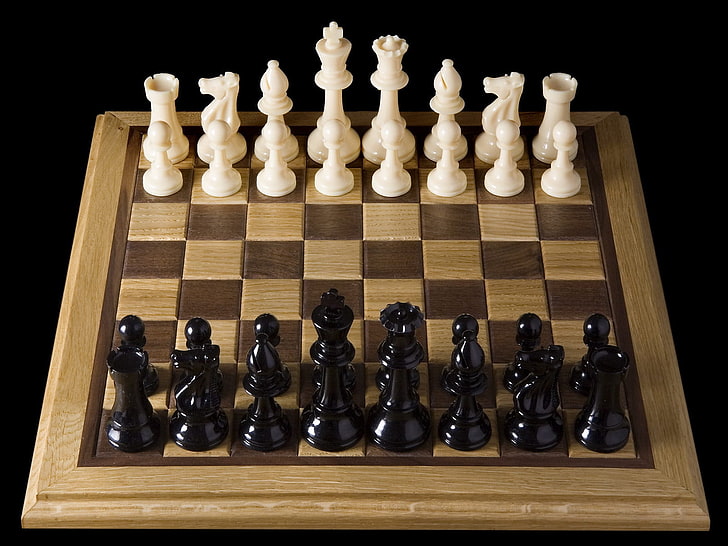
Get ready to showcase your tactical brilliance and speed at the Blitz Tournament 2025, proudly organized by the Madras School of Chess. This exciting tournament is exclusively for unrated players and promises to be a thrilling event for young chess enthusiasts!
Event Details:
Date: February 2nd, 2025 (Sunday)
Time: 9:30 AM
Venue: T. Nagar Premises
Who Can Participate?
The tournament is open to unrated players in the following age categories:
. 6 to 10 years
.11 to 14 years
Why You Should Join:
Test your skills in a fast-paced blitz format.
Compete with talented players from across the city.
Enjoy the thrill of live chess games in an engaging environment.
Registration Details:
Entry Fee: ₹300/-
Limited Seats: Only the first 160 players will be registered! Hurry up!
How to Register?
Visit our venue at T. Nagar Premises or contact us directly.
Scan the QR code on the poster to pay and secure your slot.
Call us at +91 9840403376 or 7305213376 for more details.
Madras School of Chess: The Premier Chess Academy for Young Minds
At Madras School of Chess (MSC), we believe in nurturing the next generation of chess champions. With the world’s #1 chess curriculum created by Grandmasters, our academy offers the most intuitive and effective way to enhance your child’s chess skills. Whether your child is a beginner or an advanced player, our structured approach ensures a fun and enriching learning experience that builds critical thinking, strategic planning, and decision-making abilities.
What Makes Madras School of Chess Unique?
A Curriculum Designed by Grandmasters
At MSC, we bring expertise directly from the world’s top chess minds. Our curriculum is curated by internationally acclaimed Grandmasters, ensuring every student receives the finest training and mentorship.
An Ideal Learning Environment
- Air-conditioned Classrooms: Comfortable spaces designed for focused learning.
- CCTV Security: Safety and security for your child at all times.
- Free Assessment Sessions: Personalized assessments to evaluate and guide students at their own pace.
Our Offerings
We go beyond regular chess coaching by offering a holistic chess learning experience:
- 8 Sessions per Month
Engaging and interactive classes that provide a solid foundation in chess theory, tactics, and strategies. - 1 Quiz per Month
Sharpen your child’s understanding of chess concepts with fun, competitive quizzes. - 1 Master Class per Month
Learn directly from chess masters with specialized sessions designed to offer insights into advanced techniques and strategies. - Weekend Tournaments
Gain valuable match experience through regular tournaments that simulate competitive environments.
Why Choose Us?
At MSC, we provide more than just chess coaching. We ensure an enriching experience backed by world-class infrastructure and guidance:
- Grandmaster-Curated Courses: Tailored to cater to players of all levels, from beginners to advanced.
- A Safe and Comfortable Environment: Air-conditioned classrooms and CCTV-secured premises for peace of mind.
- Free Assessment Sessions: Personalized attention to help every child progress at their own pace.
Meet Our Founders: Icons of Indian Chess

Our founders are not just accomplished players but also visionary mentors, passionate about fostering young talent in chess.
1. GM Vishnu Prasanna
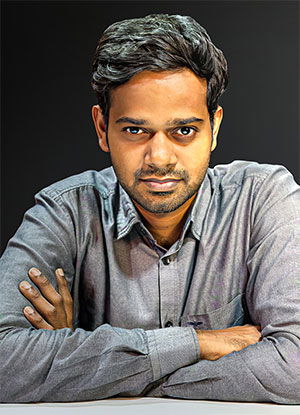
- India’s 33rd Grandmaster.
- Silver medalist in both National Junior and National Senior Championships.
- Former coach of Gukesh D, the 2024 World Chess Champion.
Vishnu’s unparalleled expertise in both playing and coaching makes him a cornerstone of our academy.
2. GM Akash Ganesan
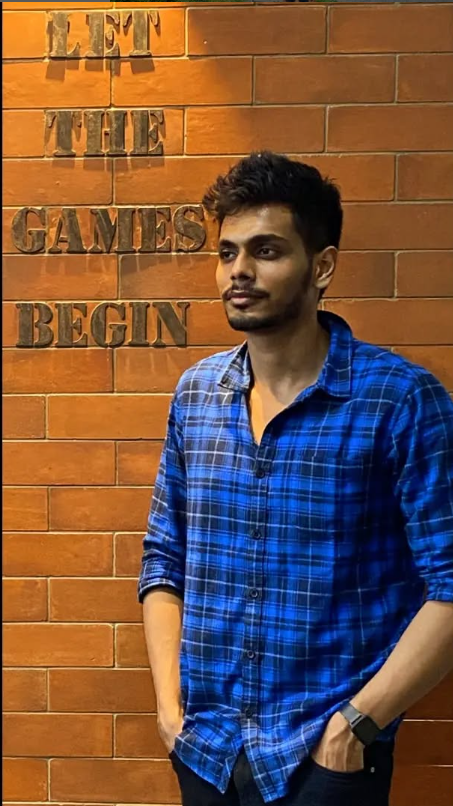
- India’s 66th Chess Grandmaster.
- Youngest National Chess Champion, breaking the record set by Viswanathan Anand.
Akash’s incredible achievements at a young age inspire students to aim high and pursue excellence.
3. WIM Priya Panneer
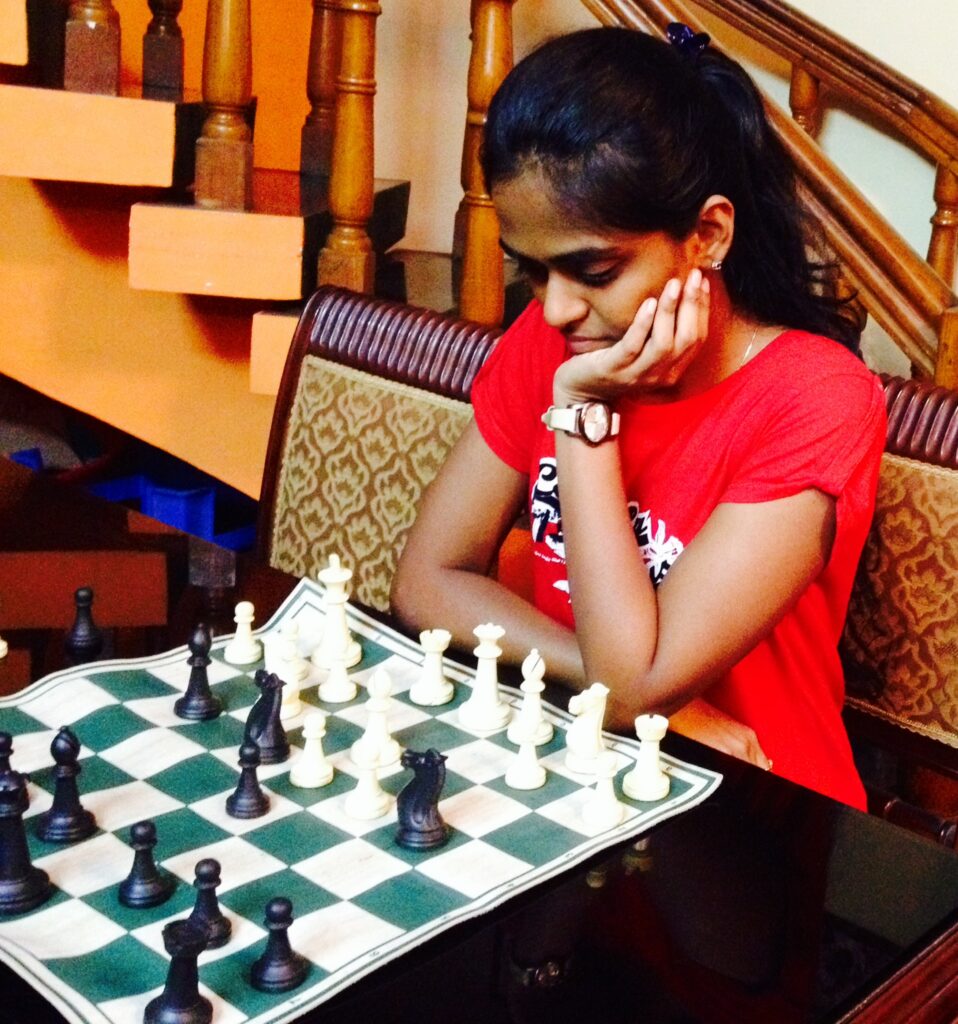
- Women International Master with a rich career representing India in World and Asian Chess Championships since 1999.
- Multiple medalist at the Commonwealth Chess Championships in 2004 and 2007.
Priya’s vast experience and achievements make her an inspiring role model for aspiring players.
4. WIM Raghavi Vishnu Prasanna
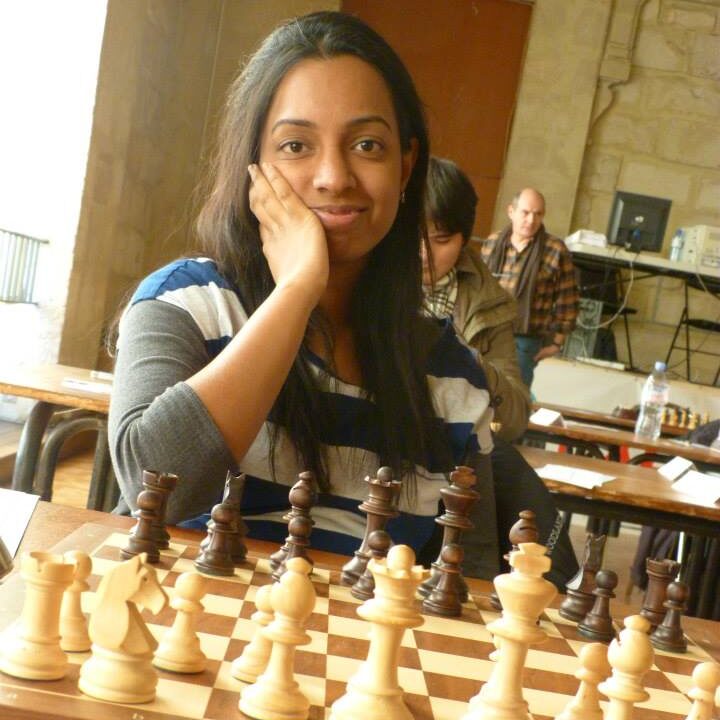
- Women International Master and a 5-time National Champion.
- Commonwealth Chess Championship Silver Medalist.
- Formerly ranked No. 9 among Indian women with a peak Elo rating of 2290.
Raghavi’s exceptional track record highlights her dedication to the game and her expertise in mentoring the next generation.
Building a Legacy of Excellence in Chess
At MSC, we take immense pride in being a hub for nurturing young talents and preparing them to shine in the world of chess. With our Grandmaster-led coaching, modern facilities, and thoughtfully designed programs, we’re committed to bringing out the best in every student.
Whether your child is new to chess or looking to refine their skills, the Madras School of Chess is the perfect place to begin their journey toward becoming a champion.
Enroll Your Child Today!
Take the first step towards shaping a brilliant chess career for your child.
📍 Visit us at our various branches:
- T. Nagar- No.2, Guild Street, Postal Colony, T. Nagar, Chennai-17.
- Anna Nagar- W365, North Main Road, Anna Nagar West, Chennai-10.
- Mandaveli- Radha Swamy School of Excellence, 6-31, W Circular Road, Mandaveli, Chennai-28.
📞 Contact us: +91 9840403376 or +91 7305213376
🌐 Learn more at www.madraschoolofchess.com
Let’s create champions, one move at a time!
Don’t miss this opportunity to sharpen your skills and have fun on the chessboard!
Register now and be part of the Blitz Tournament 2025 at the Madras School of Chess.
Let the battles on the 64 squares begin!
Top 10 Unforgettable Chess Moments of 2024 | The Year in Review
Jan 11th, 2025
To wrap up this special year, let’s take a look back at the best chess moments of 2024—an exciting journey through incredible achievements, brilliant games, unforgettable tournaments, and the rollercoaster of emotions that players and fans alike experienced.
After much thought, I’ve compiled my top 10 chess events of the year, ranked from 10th to the 1st and most incredible moment. Plus, there’s a special New Year’s message waiting for you at the end. I hope you enjoy it!
P.S. This blog (as of December 30th) isn’t entirely complete since the World Blitz Championship is still ongoing and concludes on the morning of January 1st (NZ time zone). The results will be updated as soon as they’re available.
The Youngest IM in History
- Faustino Oro
- Abhimanyu Mishra
- Praggnanandhaa R
- Yagiz Kaan Erdogmus
- Javokhir Sindarov
- Bharath Subramaniyam
- Gukesh D
- Sergey Karjakin
- Nodirbek Abdusattorov
- Andy Woodward
The list begins with the incredible achievement of Argentine prodigy Faustino Oro, who became the youngest International Master (IM) in history on June 30 at just 10 years, 8 months, and 16 days. He broke the previous record held by Indian-American Abhimanyu Mishra by approximately 17 day
Faustino accomplished this remarkable feat at a tournament organized by the Club de Ajedrez Barcelona, finishing second with a score of 6.5/9, ahead of a GM and another IM. While the event was designed to give him a shot at the title, his opponents were no pushovers, and he had to rise to the challenge under immense pressure. Currently, his rating stands at an impressive 2433—the highest of his young and promising career.
By 2023, Faustino had already earned the title of the youngest FM in history and is now in the “race” to become the youngest Grandmaster, a record still held by Abhimanyu Mishra. Achieving the required ELO of 2500 seems within reach, as he is only 67 points away. However, he still needs to secure three GM norms (performance ratings above 2600 in international tournaments), and as of now, he hasn’t achieved anything
Whether he manages to break the record remains to be seen next year. For now, we can celebrate this remarkable milestone. Perhaps 2024 marks the rise of one of the greatest players of all time. No pressure, Faustino—take it one step at a time.
131st New Zealand Chess Congres
“Vanessa, who really cares about the New Zealand Chess Championship?” Well, maybe not everyone, but as a Kiwi chess player, it holds a special place in my heart. And since this is my blog, I’ve decided to include it here. If you’re not a fan, that’s fine—your opinion is noted and cheerfully dismissed. Let me enjoy this moment.
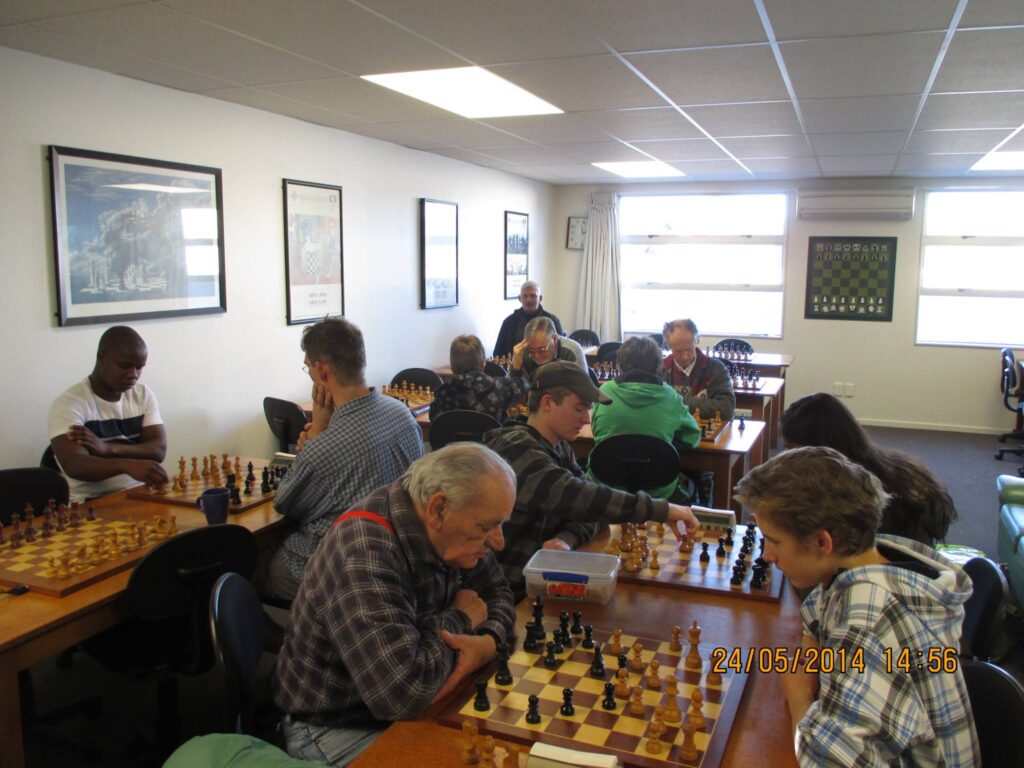
Jokes aside, the New Zealand Chess Congress, our national championship, is the country’s most prestigious chess event, drawing many of our top players to this remote island in the Pacific.
The 131st edition took place from January 2nd to 12th in Palmerston North. With 50 participants in the main tournament, FM Nicolas Croad emerged victorious for the third time in his career, scoring 7.5/9. The podium was rounded out by IM Tom Middelburg in 2nd place and FM Ben Hague in 3rd
Best Game of the Year
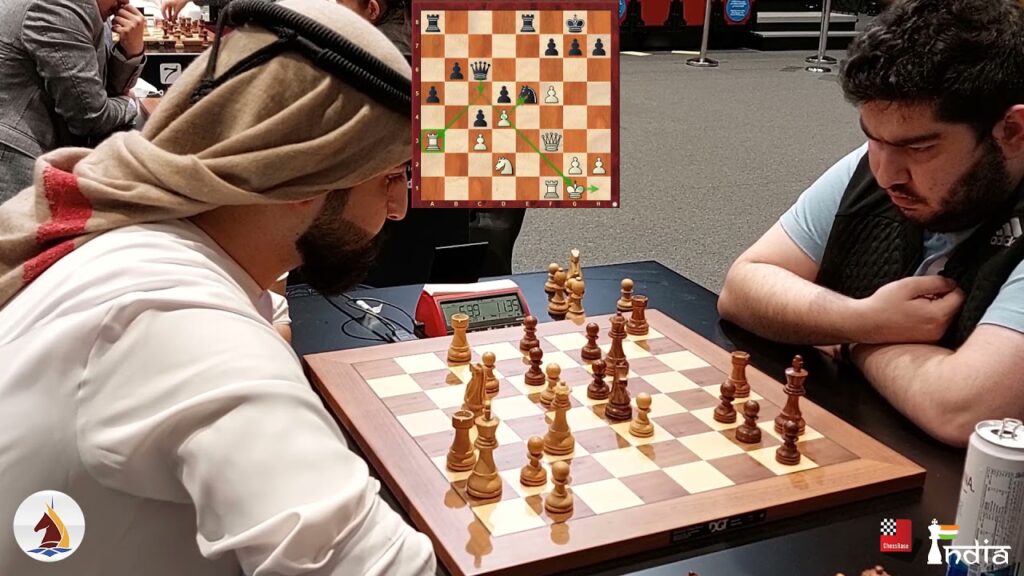
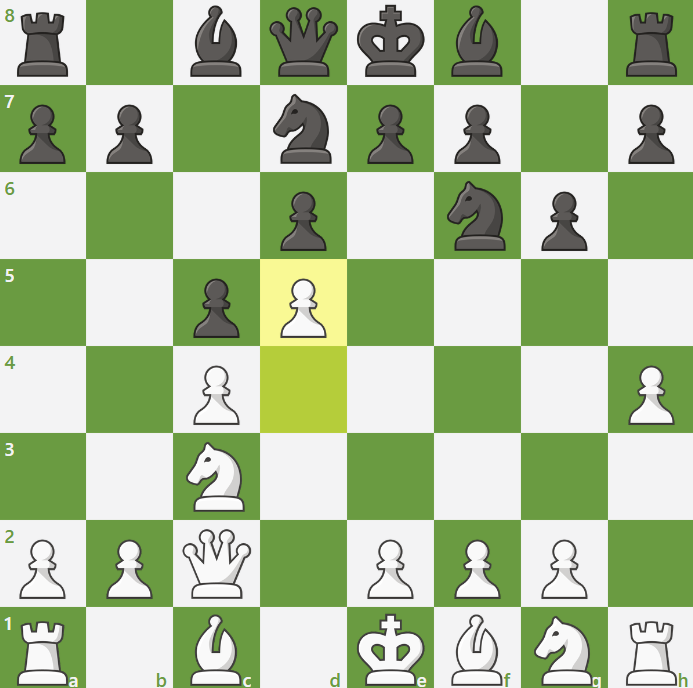
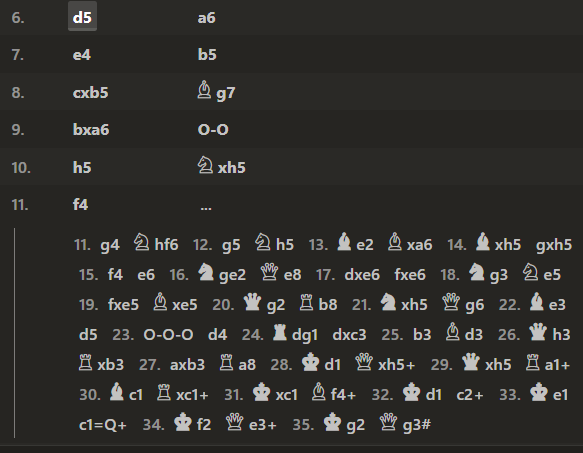
Selecting the best game from so many incredible ones is never easy, but I’ve chosen my personal favorite among those I had the pleasure of watching. My pick is the game from May 16th between Vladimir Fedoseev (representing Slovenia) and Saleh Salem of the UAE, played in round 3 of the Sharjah Masters tournament.
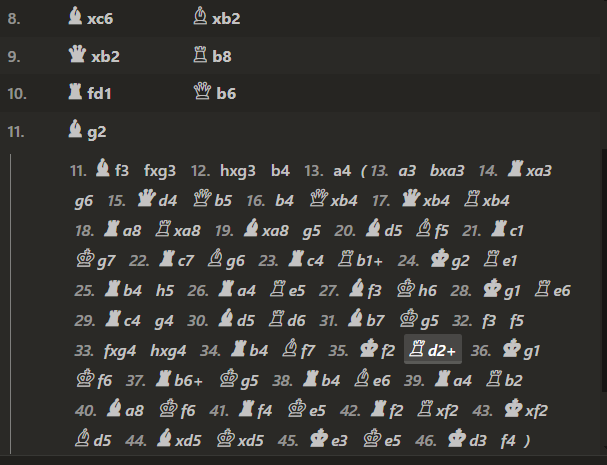
While Stockfish’s precision rating wasn’t as high as other games from 2024, this match was a thrilling battle, culminating in a jaw-dropping queen and rook sacrifice by Black. You can find the full game below, analyzed by Brazilian GM Rafael Leitão.
That said, brilliance isn’t the only measure of greatness. Several other games deserve recognition for their impact on the chess world. My honorable mentions go to:
- Gukesh vs. Firouzja (1-0) – Candidates Tournament. Gukesh’s best game, securing him a 0.5-point lead over his rivals.
- Caruana vs. Nepomniachtchi (0.5-0.5) – Candidates Tournament. A game analyzed in detail later in this blog.
- Ding Liren vs. Gukesh (0-1) – World Chess Championship. Another highlight covered later in this post.
If you think I’ve overlooked a deserving game, let me know in the comments! After all, it’s impossible to watch every single chess match in a year.
A New Member of the 2800 Club
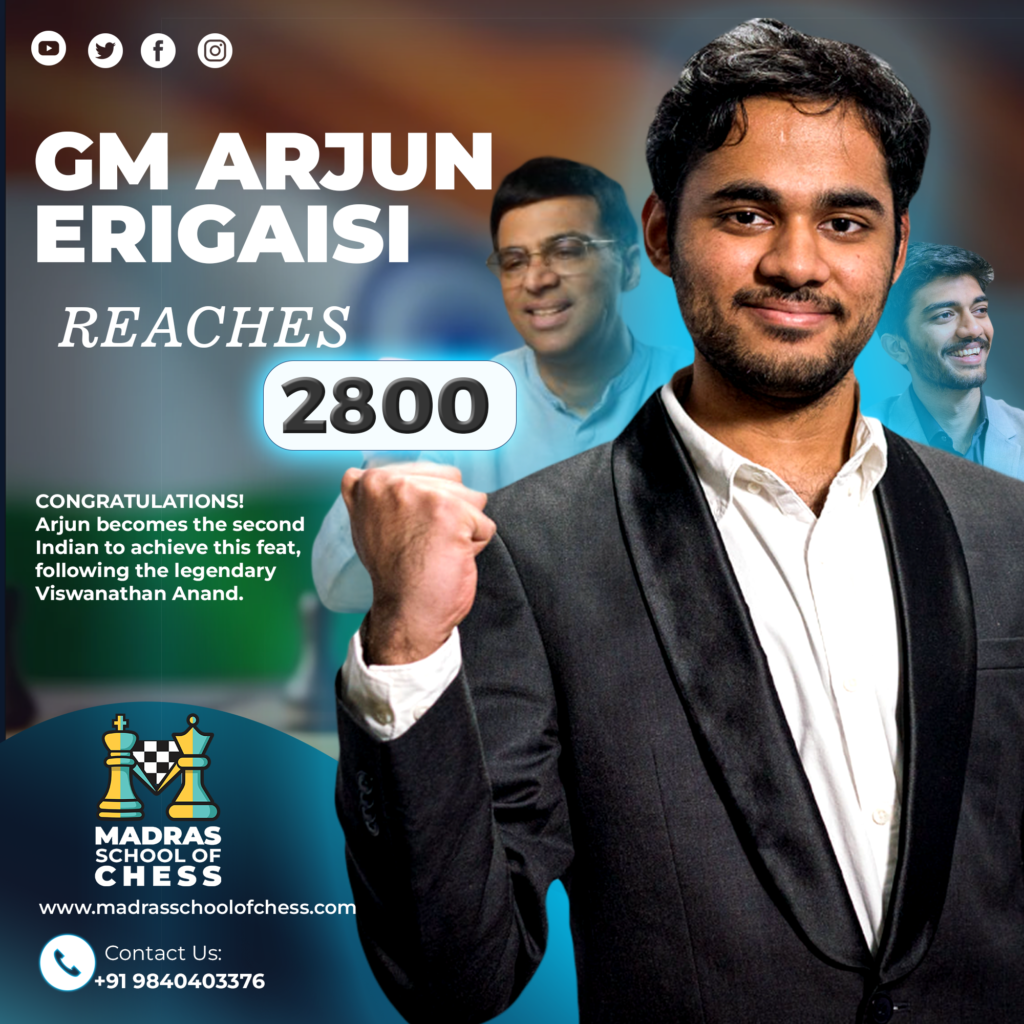
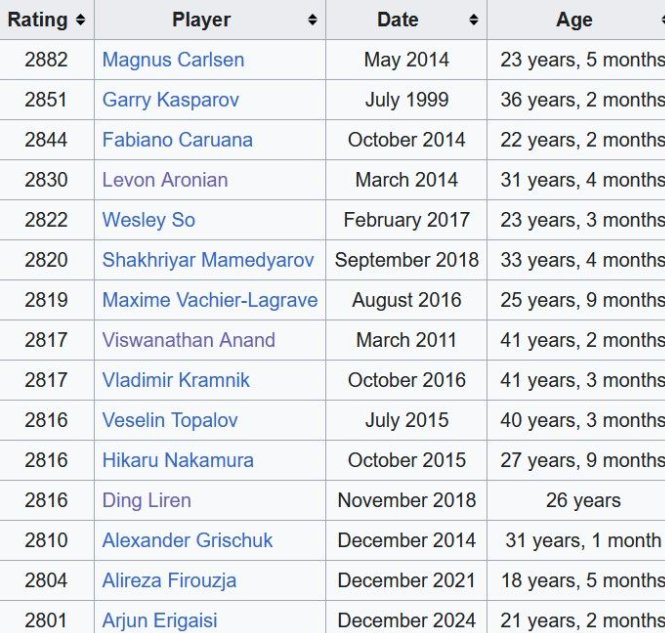
Claiming the 7th spot on this list is 21-year-old GM Arjun Erigaisi, who made history on October 25 by becoming the 15th player ever to surpass the 2800 Elo mark in standard chess. Notably, he is only the second Indian to achieve this milestone, following the legendary Viswanathan Anand.
Arjun is also the third-youngest player to reach this elite milestone, behind French GM Alireza Firouzja, who broke 2800 at 18 in 2021, and Magnus Carlsen, who achieved it at 18 in 2009. What makes Arjun’s accomplishment even more remarkable is that he reached this rating primarily by competing in open tournaments against players outside the elite chess circle.
“But doesn’t playing against weaker opponents make it easier?” you might wonder. Surprisingly, the answer is no, and here’s why:
- Players rated in the 2500–2600 range are still Grandmasters with deep chess knowledge, making them tough to defeat, especially with Black.
- The larger the Elo gap between Arjun and his opponents, the fewer points he gains for a win and the more he risks losing for a draw or defeat.
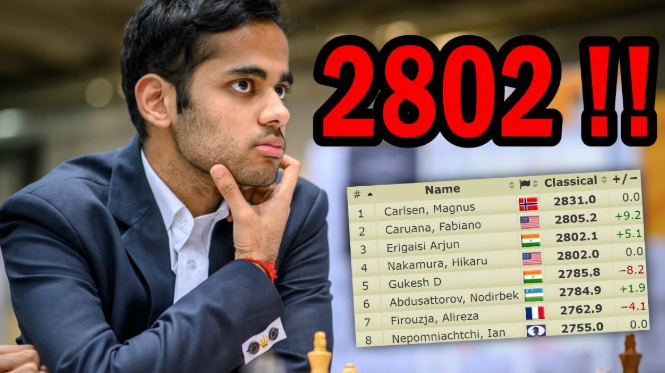
This is why most top players with ratings above 2750 prefer closed tournaments with similarly rated opponents, minimizing drastic rating fluctuations. Arjun’s path to 2800 was both unique and challenging, solidifying his place among the chess elite.
Major Tournaments of 2024
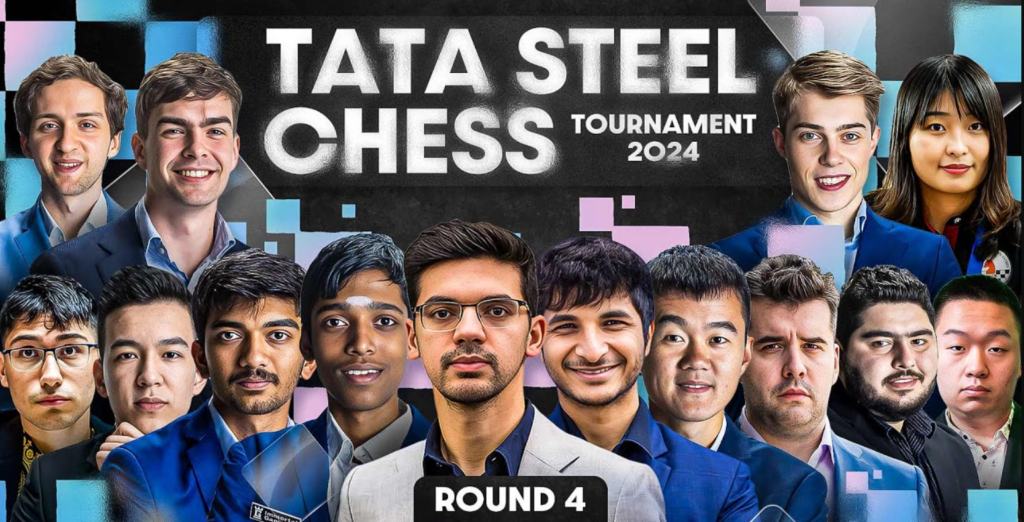
While this isn’t a single moment, it’s worth dedicating a section to highlight the results of some of the year’s most significant tournaments (excluding a few major ones that will be spotlighted later). As I’ve mentioned in my blog “Major Chess Tournaments And Their Sporting Twins”, the Tata Steel Masters remains one of the most prestigious annual chess events, traditionally held in January.
The 2024 edition saw Wei Yi from China emerge victorious after defeating Gukesh in the tiebreak finals. In the Challengers section, Indian prodigy Leon Luke Mendonça claimed the top spot, earning his place in the 2025 Masters.
Other noteworthy tournaments included the Sinquefield Cup, won by Alireza Firouzja, and the US Championship, where Fabiano Caruana claimed his third consecutive title. Norway Chess concluded with Magnus Carlsen triumphing on home soil.
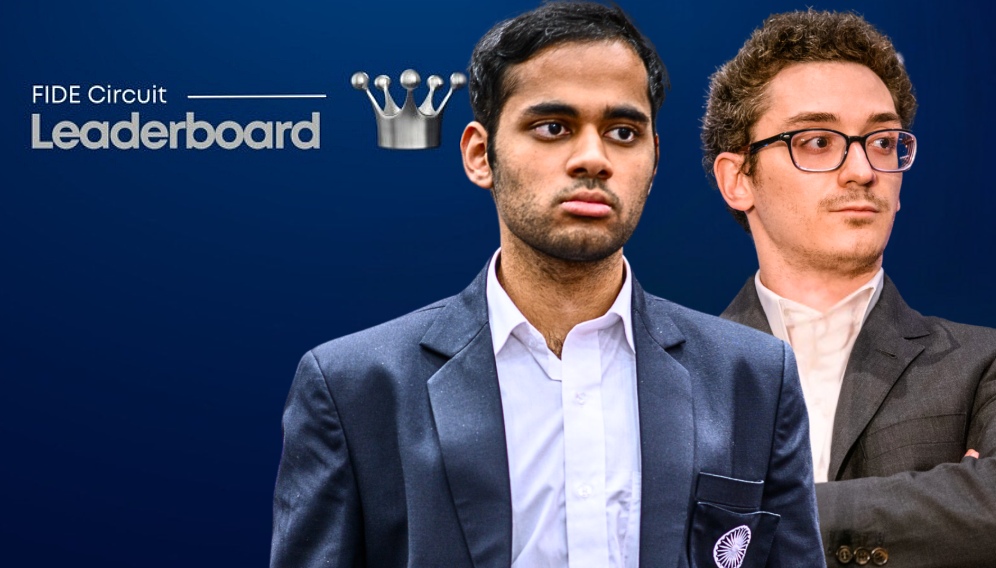
These events, among others, contributed points to the FIDE Circuit 2024, with the ultimate winner earning a coveted spot in the 2026 Candidates Tournament. At the time of writing, Fabiano Caruana leads the standings, though Arjun Erigaisi remains in contention.
In late December, Magnus Carlsen also clinched the Champion Chess Tour Finals in Oslo. While not among the year’s top-tier events, it’s a fan favorite due to its exciting hybrid format, combining online tournaments with over-the-board finals and its live Chess.com coverage.
Update (December 31st): Fabiano Caruana has officially won the FIDE Circuit 2024!
World Rapid & Blitz Championship 2024

On December 26, the final major chess event of the year kicked off: the World Rapid & Blitz Championship. Featuring nearly all the top players, including 2023 champion Magnus Carlsen and streaming sensation Hikaru Nakamura, this tournament has become a highly anticipated year-end tradition, taking place between Christmas and New Year. This year, the event is hosted in New York, USA.
Although it doesn’t hold the same weight as the classical World Championship, the Rapid & Blitz Championship is a prestigious annual competition that captivates players, media, and fans alike. Its open format adds to the excitement, as each year brings a new champion and renewed hope for all participants.
The Rapid Championship concluded yesterday with a surprising victory by 18-year-old Russian GM Volodar Murzin, who scored 10/13. This marks a remarkable comeback in his career, years after the memorable moment of him shedding tears at the 2019 World Blitz Championship. On the women’s side, Indian veteran Koneru Humpy clinched the title.
However, one of the tournament’s biggest talking points was Magnus Carlsen’s withdrawal due to a controversy over his jeans violating the dress code.

The Blitz Championship is still ongoing as this blog is being published. Updates on the winners and their past titles will follow as soon as the information is available:
• Open – Winners: Magnus Carlsen (8th title) and Ian Nepomniachtchi (1st title).
• Women – Winner: Ju Wenjun (1st title).
Chess Olympiad 2024
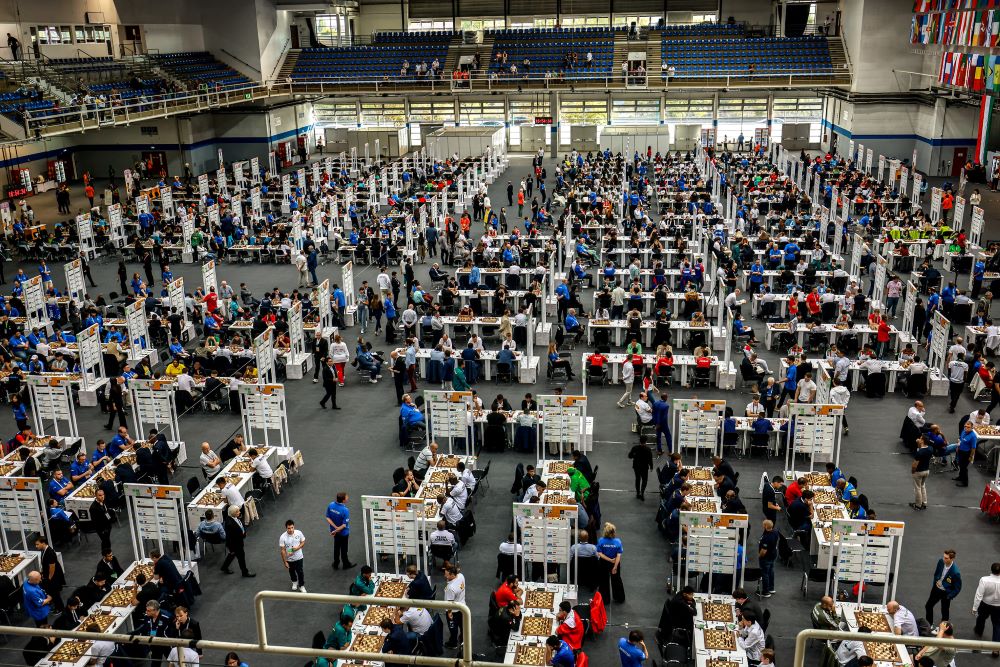
September brought us one of the most celebrated events in the chess world: the FIDE Chess Olympiad! The 45th edition of this iconic tournament was hosted in Budapest, Hungary, with an impressive turnout of 197 nations competing in the open section and 181 in the women’s section. Many of the world’s top players proudly donned their national colors to battle it out for glory.
The Winners? No surprises here! India dominated both categories, signaling the rise of a new chess powerhouse. In the open section, India’s “Dream Team”—comprised of Dommaraju Gukesh, Rameshbabu Praggnanandhaa, Arjun Erigaisi, Vidit Santosh Gujrathi, and Pentala Harikrishna—went undefeated, securing 10 wins and 1 draw.
The women’s team was equally formidable, featuring Harika Dronavalli, Rameshbabu Vaishali, Deshmukh Divya, Agrawal Vantika, and Tania Sachdev. They delivered an exceptional performance with 9 wins, 1 draw, and just 1 loss. Impressively, Indian legends Viswanathan Anand and Koneru Humpy weren’t even required for this remarkable victory, further highlighting the nation’s depth in talent.

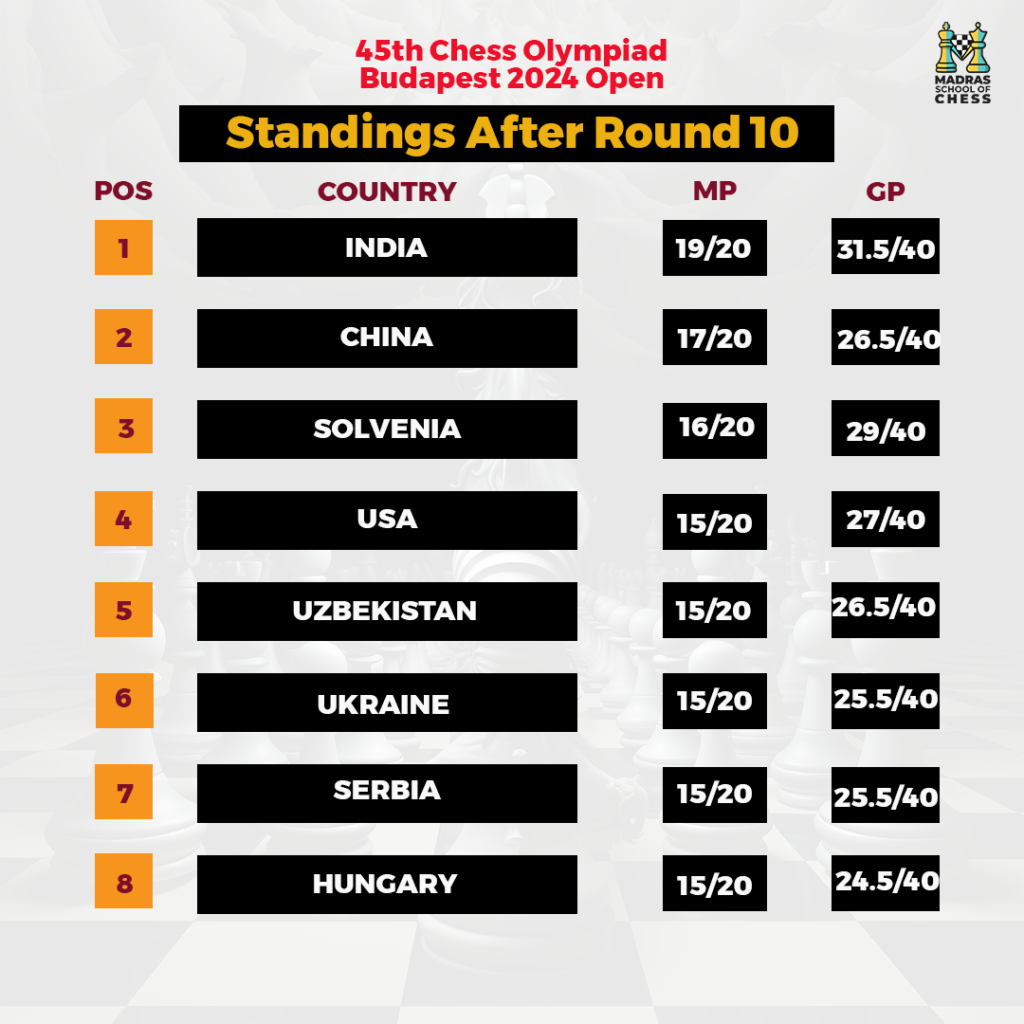
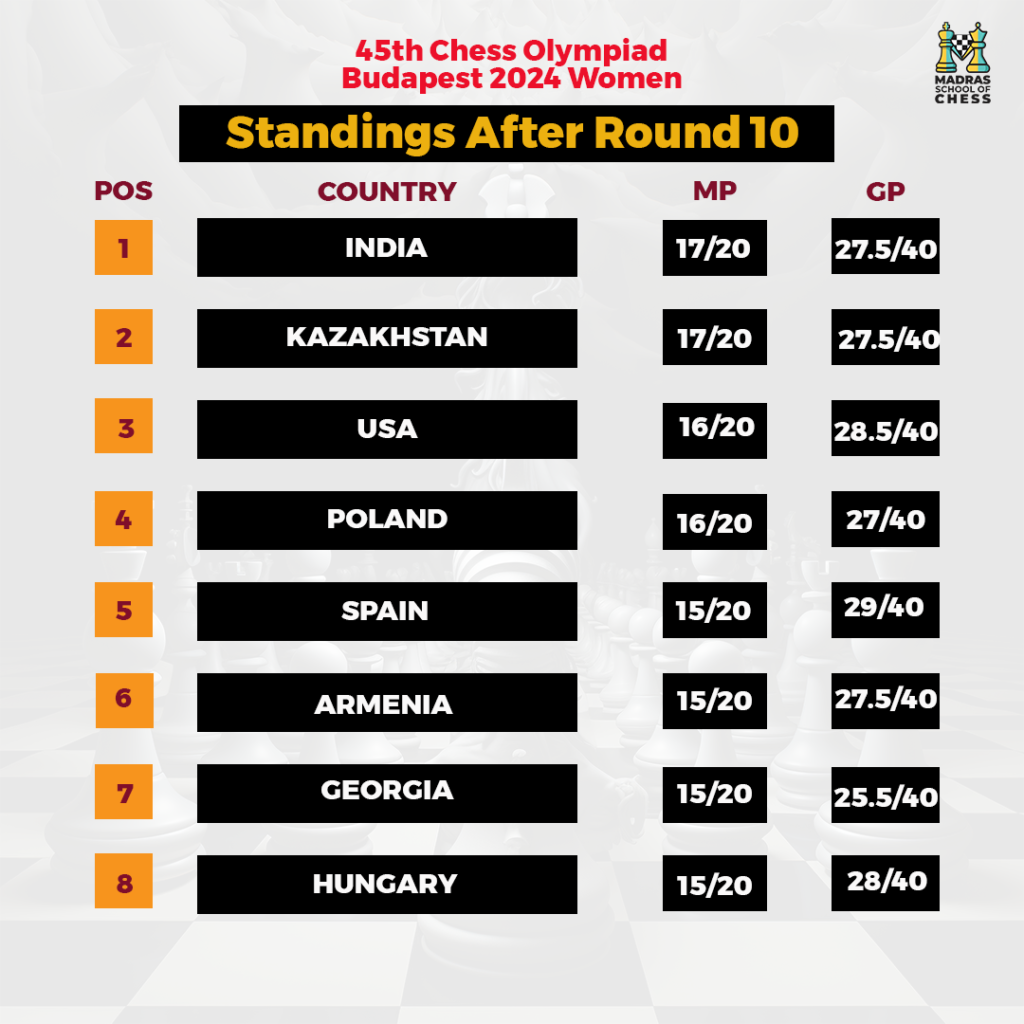
India’s clean sweep at the Chess Olympiad may very well mark the dawn of a new golden era in the chess world!
Candidates Tournament 2024
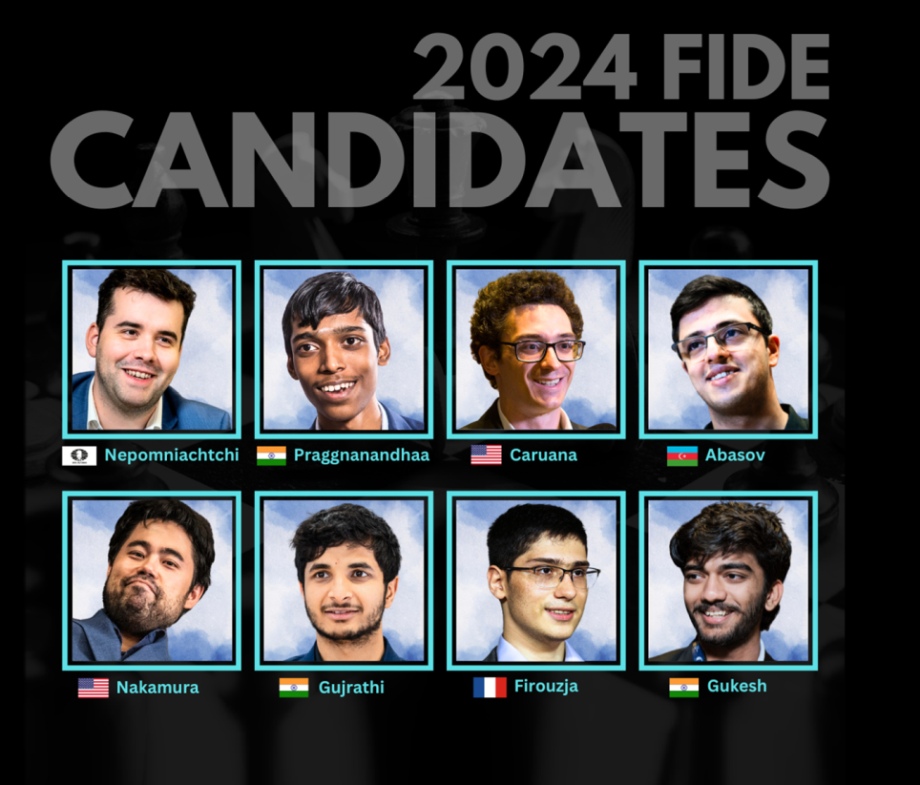
From April 3rd to April 22nd, chess fans were treated to the most intense and anticipated event of the year—the Candidates Tournament. This double round-robin event featured eight of the world’s strongest players battling for the right to challenge the reigning World Chess Champion. For those curious about my predictions before the event, feel free to check out my earlier blog post.
As expected, the tournament delivered a thrilling spectacle filled with dramatic moments. Heading into the final round, 17-year-old Indian sensation Gukesh led the standings with 8.5 points after a stunning victory against Alireza Firouzja in Round 13—arguably his best game of the tournament. Just half a point behind him were Fabiano Caruana, Hikaru Nakamura, and Ian Nepomniachtchi.
In the decisive 14th round, Gukesh and Nakamura drew their game, leaving the outcome dependent on the match between Caruana and Nepomniachtchi. Despite gaining a winning position, Caruana couldn’t convert, and the game ended in a draw, leaving both players dejected and crowning Gukesh as the winner. Relive the action with an analysis by Brazilian GM Rafael Leitão:
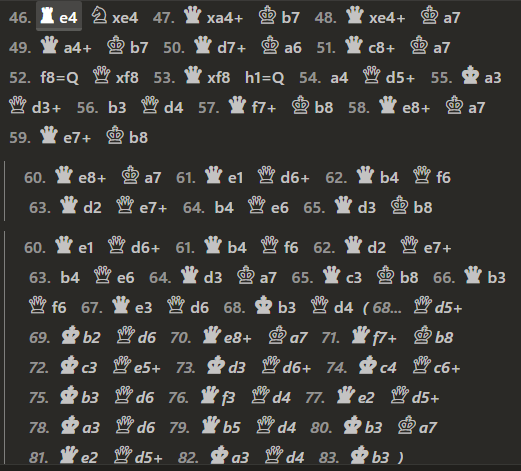
In the women’s Candidates Tournament, held simultaneously at the same venue, the competition, while less dramatic, showcased incredible skill. Tan Zhongyi of China emerged victorious, securing her spot to challenge Ju Wenjun for the Women’s World Championship title next year. The dates for their showdown are yet to be announced.
World Chess Championship 2024
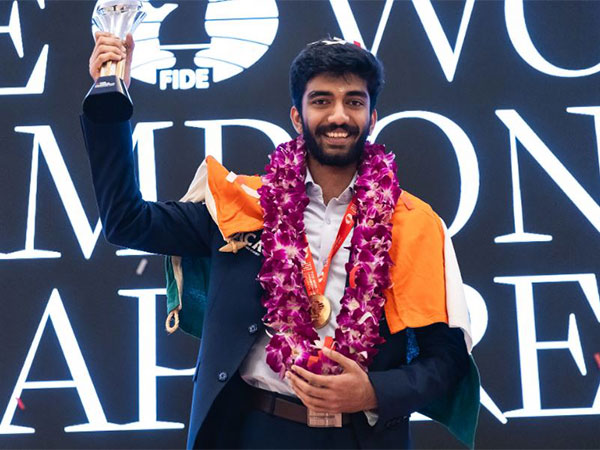
In November, Gukesh faced off against reigning champion Ding Liren in the World Chess Championship match held in Singapore. Despite Ding’s efforts to defend his title while not being in top form, the Chinese Grandmaster proved to be a formidable opponent for the young Indian challenger, who entered the match as the favorite due to his stellar recent performances.
The match began with an unexpected twist as Ding won the first game, delivering an early shock to Gukesh. Undeterred, the Indian prodigy bounced back with a victory in Game 3, leveling the score. The turning point seemed to come in Game 11 when Gukesh secured another win, putting him within striking distance of the title. Yet, the “Chinese Dragon” roared back, claiming Game 12 to tie the match once more.
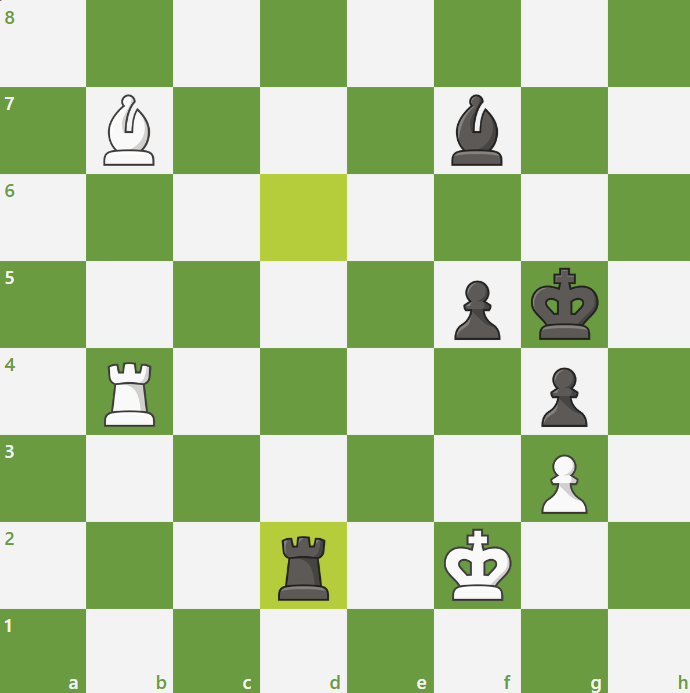
The championship ultimately came down to Game 14, played on December 12, the final classical game of the match. Both players entered a theoretically drawn endgame, with Black holding a slight material advantage but no clear path to break through White’s defenses. Then came a moment destined for history books—a devastating blunder by Ding, marking one of the most shocking mistakes in World Chess Championship history.
Relive the drama of the final game, complete with analysis by none other than Brazilian GM Rafael Leitão:
With this emotional triumph that brought him to tears, Gukesh made history as the youngest-ever World Chess Champion at just 18 years old, igniting a wave of celebration among fans in India and across the globe. True to his word, he marked the occasion by going bungee jumping—a promise he kept just days after his victory.
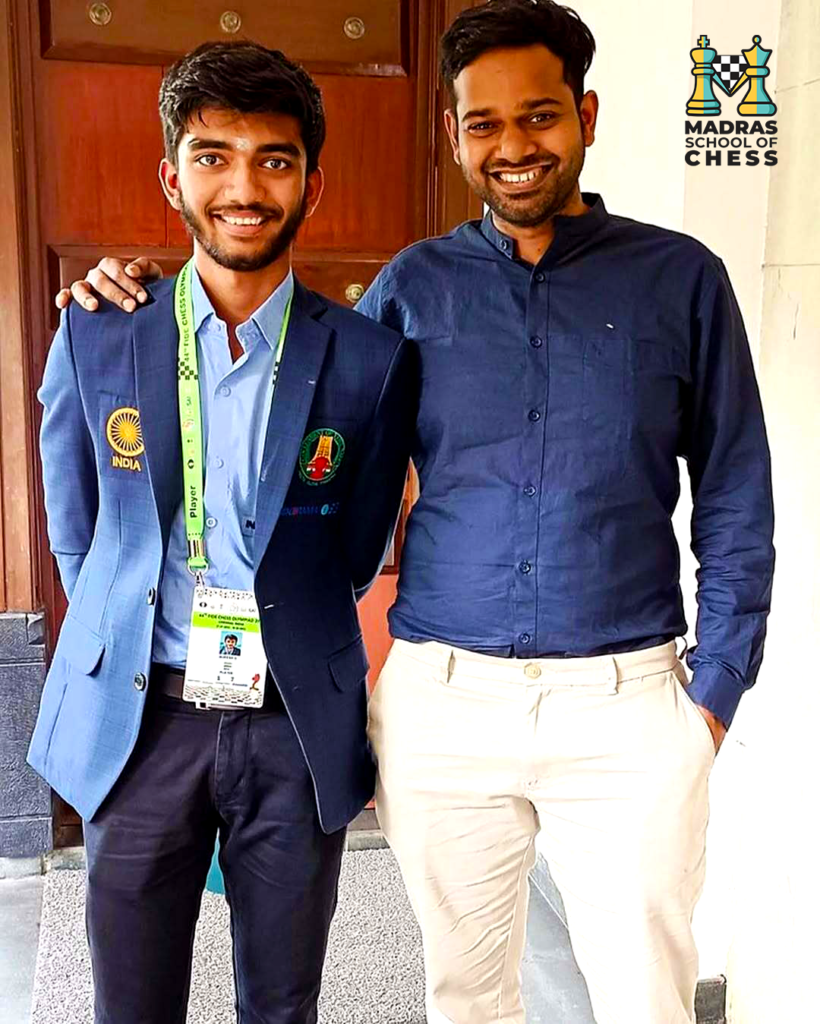
The Former Coach of Gukesh and Madras School of Chess Co-founder, GM Vishnu Prasanna, Shares His Thoughts on Gukesh.
“As someone who has known Gukesh since his childhood, I can only describe this moment as surreal. Watching him grow from a curious, determined young boy to becoming the youngest World Champion is a testament to his relentless spirit and unwavering focus.
Coaching him was a privilege, but seeing him soar beyond our dreams is a joy beyond words. Gukesh, your journey inspires millions, and I couldn’t be prouder of you. The world is yours now, and this is just the beginning.
Indian chess is in good hands, and the future. Shine on, Champ!
Conclusion
Thank you for staying with me through this blog and throughout the year! I hope you enjoyed this brief recap of 2024. While I couldn’t include every memorable moment, feel free to share any highlights I missed in the comments—I’d love to hear your thoughts.
This year has been incredible for chess enthusiasts, and 2025 promises to be just as exciting. We have the Women’s World Chess Championship between Ju Wenjun and Tan Zhongyi, the FIDE World Cup, the FIDE Grand Swiss, and many other thrilling events lined up to keep us captivated.
As we wrap up, I wish you all a Happy New Year filled with joy, love, peace, and happiness alongside your loved ones. May 2025 be everything you hope for, and remember to stay positive even when life throws challenges your way—it’s the tough times that make the good ones shine brighter.
Keep studying, playing, and discovering the magic of chess. Here’s to brilliant moves, spectacular combinations, and unforgettable victories! Above all, keep enjoying the game, because that’s what truly matters. See you in the next blog! Keep following along and enjoying our content!
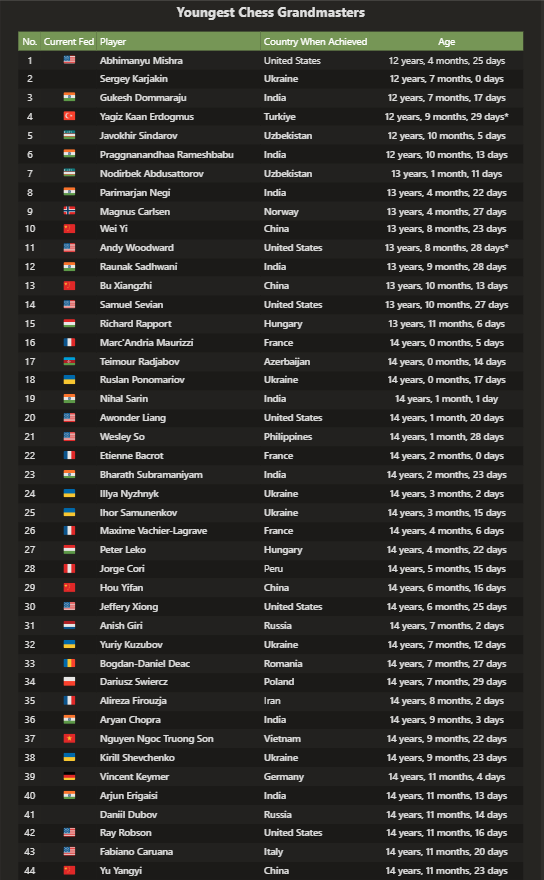
Top Youngest Chess Grandmasters in History: Rising Stars of the Chess World
Dec 25th, 2024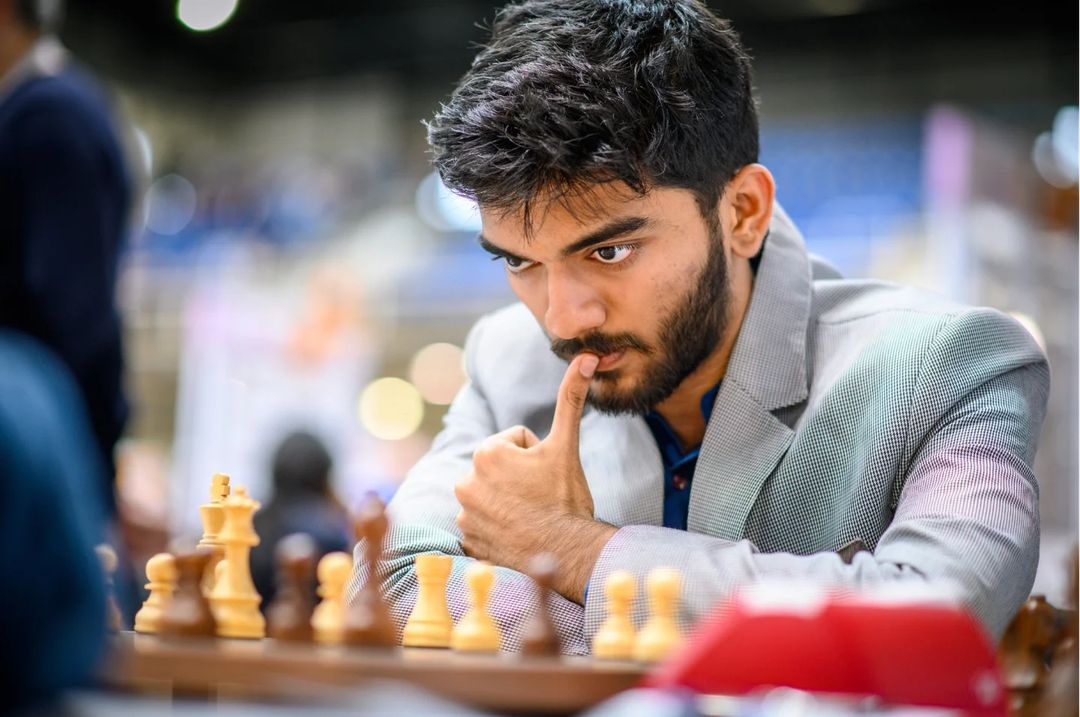
𝐑𝐢𝐬𝐢𝐧𝐠 𝐒𝐭𝐚𝐫𝐬 𝐢𝐧 𝐭𝐡𝐞 𝐖𝐨𝐫𝐥𝐝 𝐨𝐟 𝐂𝐡𝐞𝐬𝐬
The game of chess continues to get younger as prodigious talents achieve the prestigious Grandmaster (GM) title at just 12, 13, and 14 years old. This rapid rise is fueled by access to extensive chess resources, consistent global tournaments, and government support. However, one timeless truth remains unchanged: hard work is the ultimate key to success in the game of chess.
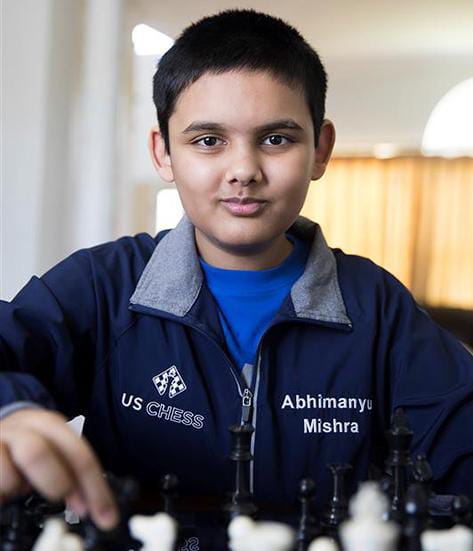
𝐀𝐛𝐡𝐢𝐦𝐚𝐧𝐲𝐮 𝐌𝐢𝐬𝐡𝐫𝐚
Abhimanyu Mishra etched his name in history by becoming the youngest International Master in 2019 at the age of 10. By 2021, he began his journey to secure GM norms. On June 30, 2021, at the Vezerkepzo GM Mix Swiss tournament in Budapest, Hungary, Mishra achieved his third and final norm, officially becoming the youngest Grandmaster ever. He shattered Sergey Karjakin’s long-standing record—set 19 years earlier—by over two months.
Here’s a clean victory for Mishra over GM Zoltan Varga from the 5th Vezerkepzo GM tournament in 2021.
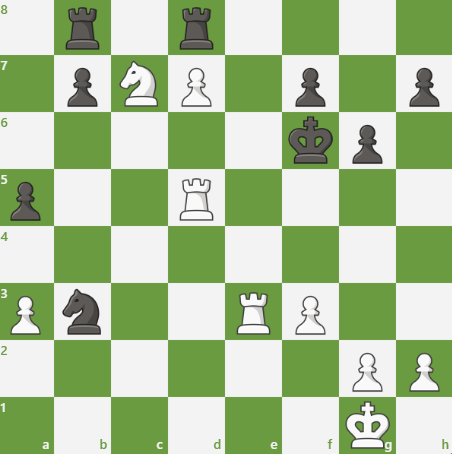

𝐒𝐞𝐫𝐠𝐞𝐲 𝐊𝐚𝐫𝐣𝐚𝐤𝐢𝐧
For 19 years, GM Sergey Karjakin held the record as the youngest Grandmaster in chess history, achieving the title at just 12 years and 7 months. Karjakin, like many chess prodigies, began playing the game at the age of five. Remarkably, by the age of 11, he had already earned the International Master title.
Karjakin’s achievements include winning the World Rapid Championship in 2012 and the World Blitz Championship in 2016. In March 2016, he emerged victorious in the Candidates Tournament, earning the right to challenge Magnus Carlsen for the World Chess Championship later that year. Although Karjakin fell short against Carlsen in their November 2016 match, he remains determined to pursue another shot at the title.

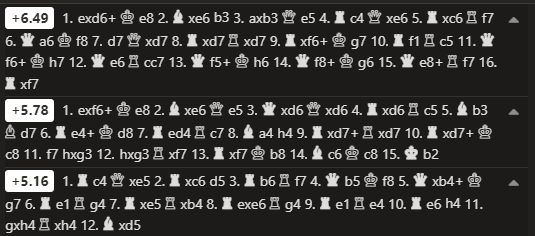
One of Karjakin’s most impressive games came during the 2016 Candidates Tournament, where he played an intense, dynamic game against Fabiano Caruana. This thrilling, back-and-forth encounter showcased Karjakin’s signature fighting style and remains a highlight of his career.
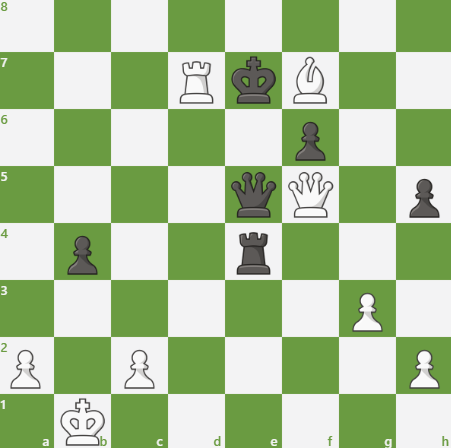
𝐆𝐮𝐤𝐞𝐬𝐡 𝐃𝐨𝐦𝐦𝐚𝐫𝐚𝐣𝐮
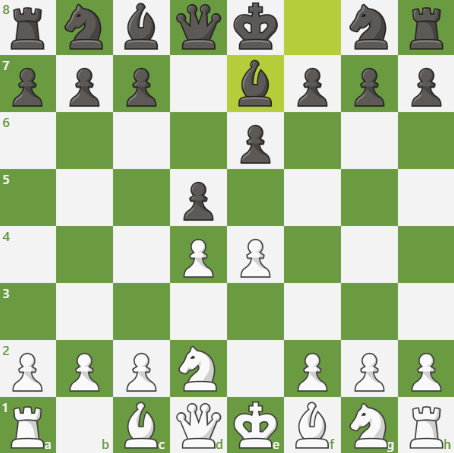
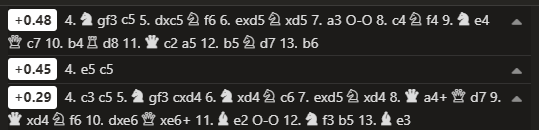
Indian chess prodigy GM Gukesh Dommaraju, commonly known as Gukesh D., became the second-youngest Grandmaster in chess history at the age of 12 years, 7 months, and 17 days. He secured his third and final GM norm at the 17th Delhi International Chess Grandmaster Open held in New Delhi, India.
Gukesh’s exceptional talent was first recognized by his school coach, Mr. Bhaskar, who ensured that Gukesh became a FIDE-rated player within just six months of learning the game. Gukesh played his final game as an International Master in style, winning the decisive match to achieve his last GM norm and officially earn the prestigious title.
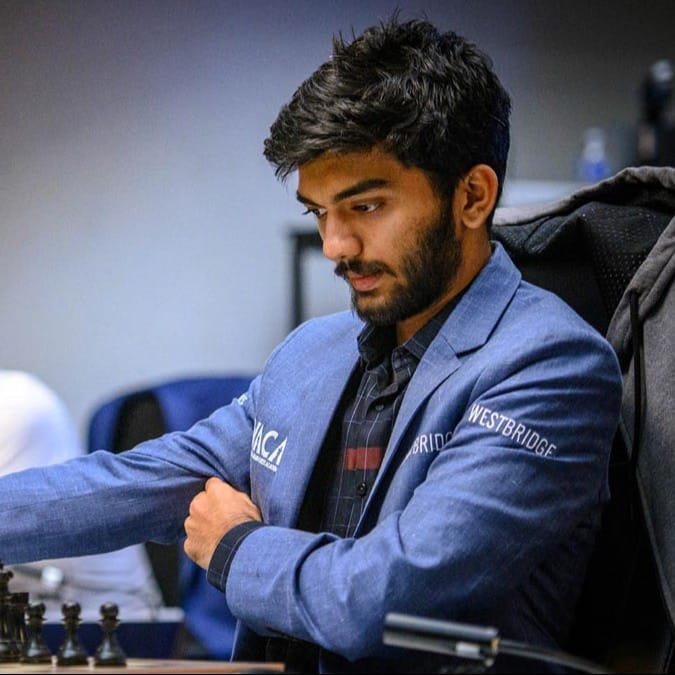
Gukesh played his last game as an International Master, winning this game to earn his final grandmaster norm.
𝐉𝐚𝐯𝐨𝐤𝐡𝐢𝐫 𝐒𝐢𝐧𝐝𝐚𝐫𝐨𝐯
GM Javokhir Sindarov became the first player since Sergey Karjakin to achieve the Grandmaster title before turning 13. The Uzbek talent secured all three of his GM norms in a single year, at the 2018 Alekhine Memorial, the FIDE World Junior Championship, and the First Saturday Tournament. Sindarov earned his final GM norm at the First Saturday Tournament in Budapest, Hungary. After a setback in the first round, he bounced back impressively, scoring 7 out of 8 points in his remaining games to claim the title.
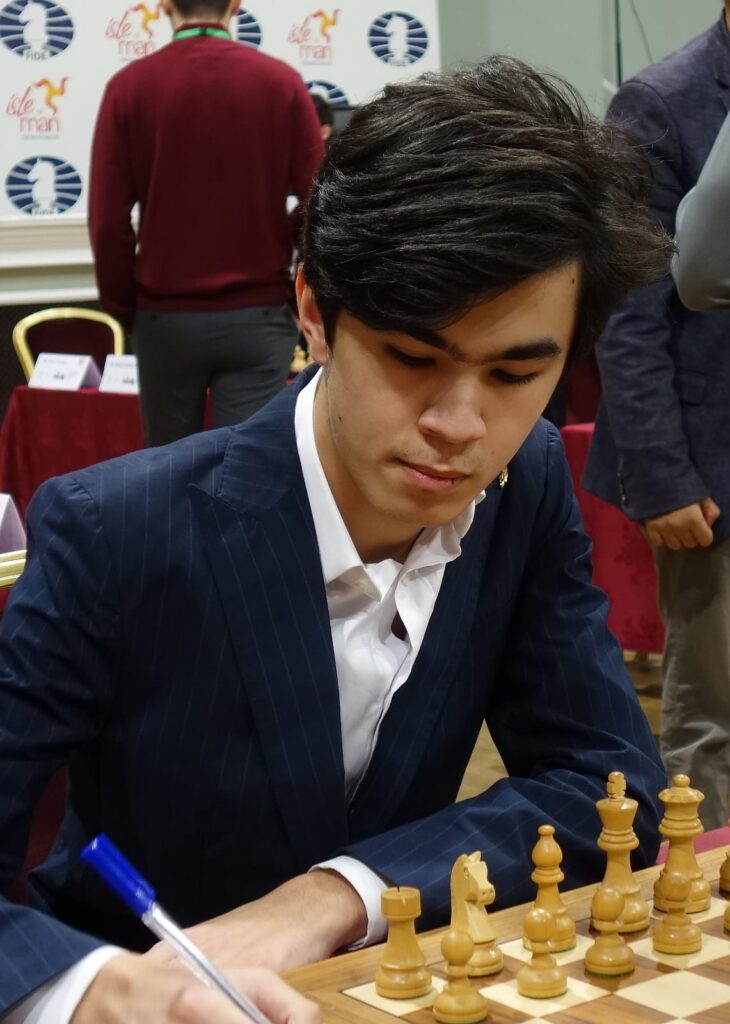
Sindarov achieved his final grandmaster norm at the First Saturday Tournament in Budapest, Hungary, bouncing back from a first-round loss with an impressive 7/8 streak in his remaining games.
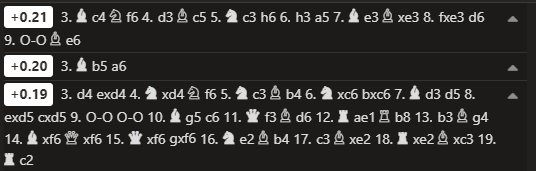
𝐏𝐫𝐚𝐠𝐠𝐧𝐚𝐧𝐚𝐧𝐝𝐡𝐚𝐚 𝐑𝐚𝐦𝐞𝐬𝐡𝐛𝐚𝐛𝐮
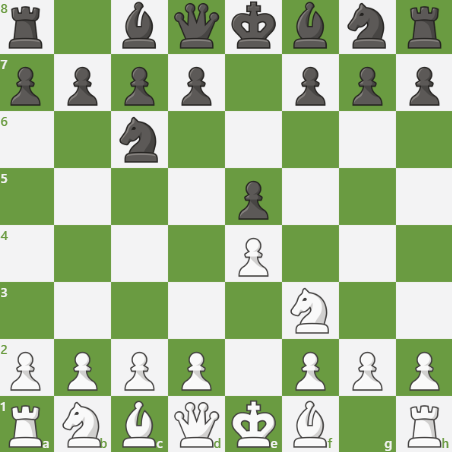
Indian chess prodigy GM Praggnanandhaa Rameshbabu became the second youngest Grandmaster in chess history at the age of 12 years, 10 months, and 13 days. He achieved his third and final GM norm at the Fourth Gredine Open in Ortisei, Italy.
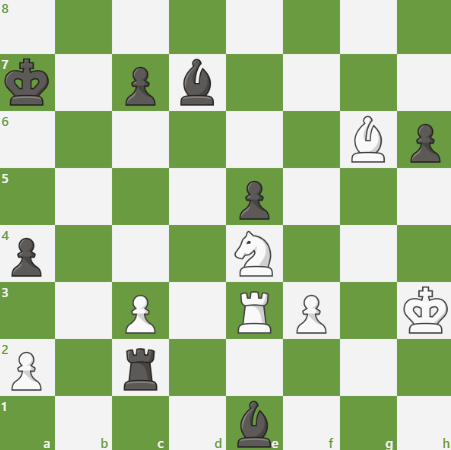
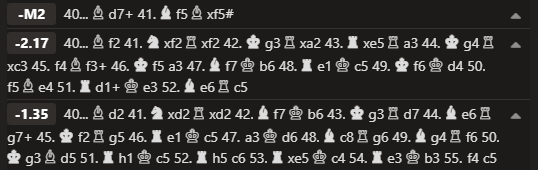
Praggnanandhaa had already made a name for himself by winning continental (Asian) championships and two world titles. At just 10 years old, he set another record as the youngest International Master in history, a record that still stands. At the Gredine Open, Praggnanandhaa delivered a remarkable performance, securing his final GM norm and sealing the tournament by defeating GM Roeland Pruijssers in the decisive game.
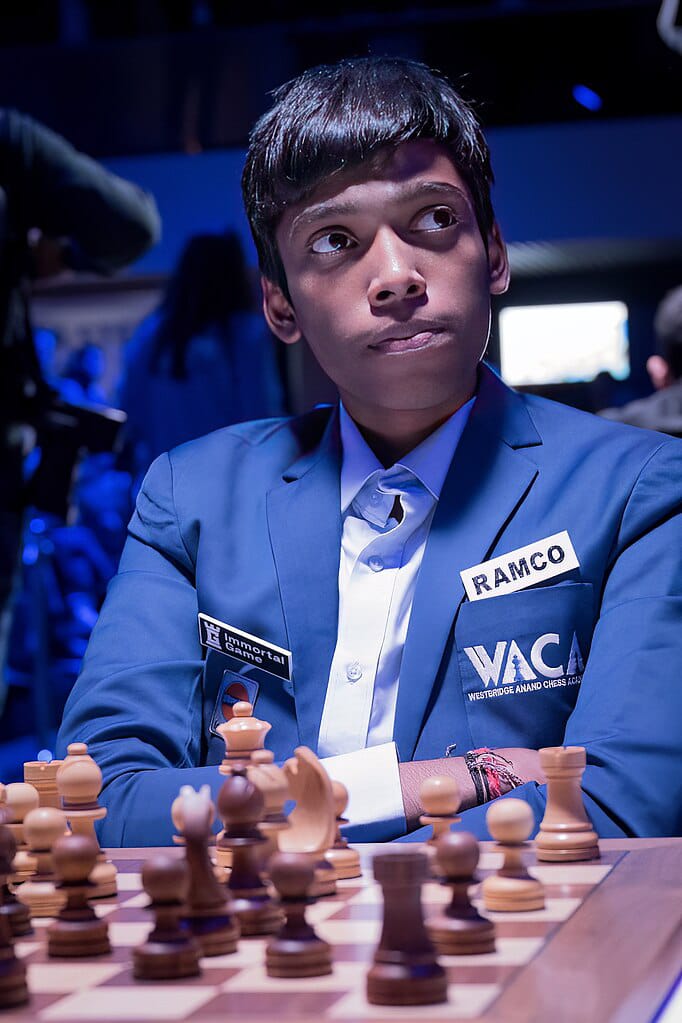
After earning his final GM norm at the Gredine Open, the Indian prodigy delivered a record-breaking performance by defeating GM Roeland Pruijssers.
𝐍𝐨𝐝𝐢𝐫𝐛𝐞𝐤 𝐀𝐛𝐝𝐮𝐬𝐚𝐭𝐭𝐨𝐫𝐨𝐯
GM Nodirbek Abdusattorov first made headlines in 2014 when, at just nine years old, he defeated two grandmasters at the Tashkent Open. He achieved his first GM norm at the 2016 Chigorin Memorial, followed by his second norm in Abu Dhabi in August 2017. Widely regarded as the greatest Uzbek chess talent since Rustam Kasimdzhanov—who won the 2004 FIDE Knockout World Championship—Abdusattorov earned his final GM norm at the Chigorin Memorial, where he defeated notable grandmasters S.P. Sethuraman and Evgeny Levin.
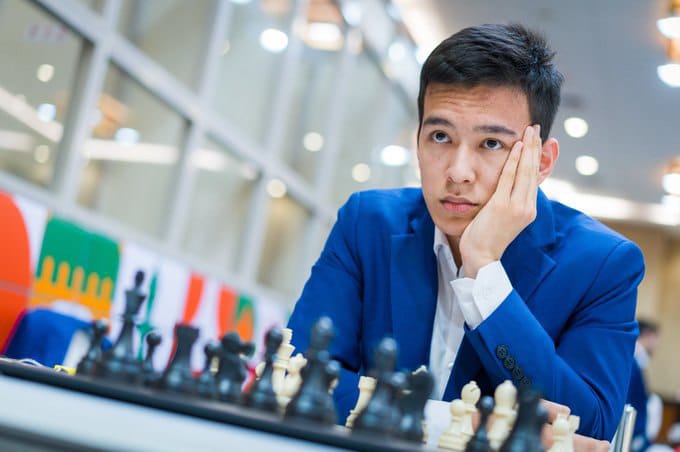
Abdusattorov secured his final grandmaster norm at the Chigorin Memorial, achieving impressive victories against GMs S. P. Sethuraman and Evgeny Levin.
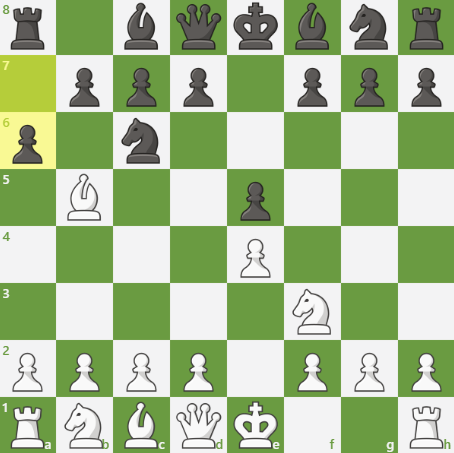

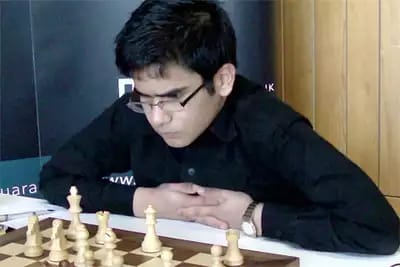
𝐏𝐚𝐫𝐢𝐦𝐚𝐫𝐣𝐚𝐧 𝐍𝐞𝐠𝐢
Now pursuing a PhD at the Massachusetts Institute of Technology (MIT), GM Parimarjan Negi became a grandmaster in 2006 at just 13 years old. Since earning the title, he has achieved notable successes, including winning the prestigious Arjuna Award in 2010, claiming victories at the Indian and Asian Chess Championships, and contributing to India’s bronze-medal-winning performance at the 2014 Chess Olympiad. A highlight of Negi’s career is his win against GM Markus Ragger, where his consistent pressure demonstrated how to expertly dismantle the Caro-Kann Defense.
Negi’s victory against GM Ragger was a brilliant showcase of how to dismantle the Caro-Kann, with White maintaining relentless pressure throughout the game.
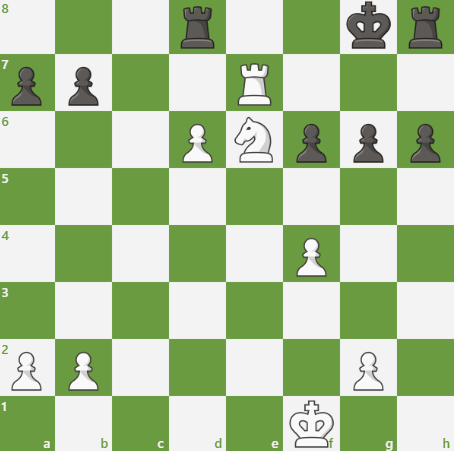

𝐌𝐚𝐠𝐧𝐮𝐬 𝐂𝐚𝐫𝐥𝐬𝐞𝐧
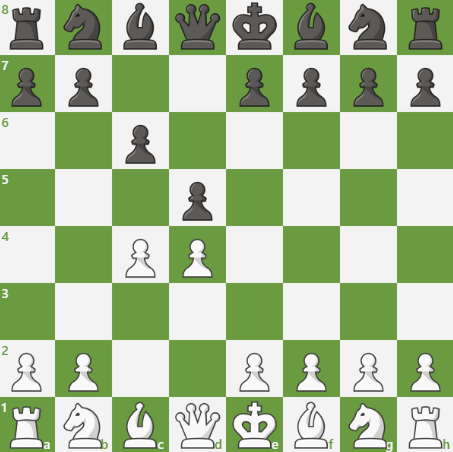
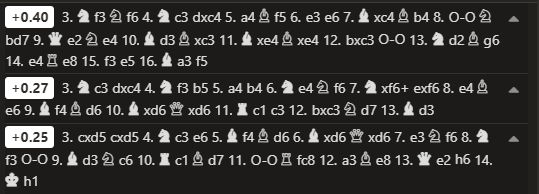
Nicknamed the “Mozart of Chess,” GM Magnus Carlsen stands in a class of his own. His peak rating of 2882 surpassed Garry Kasparov’s record of 2851, a testament to his unparalleled talent and work ethic. Known for his determination, Carlsen routinely outplays opponents by finding computer-like moves and grinding down seemingly equal endgames. While he is famous for these technical victories, one of his most iconic moments came at age 13, when he drew against Garry Kasparov in a legendary encounter.
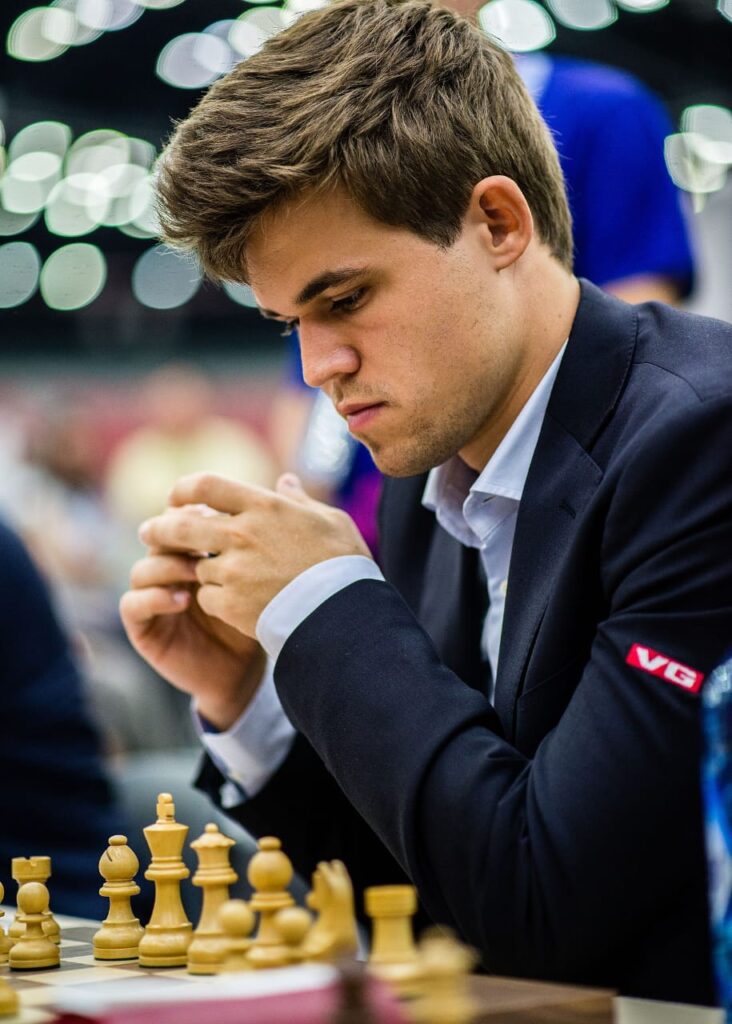
Although Carlsen is renowned for securing wins in closely matched endgames, his most famous game might be the draw he achieved against Garry Kasparov at just 13 years old.
𝐖𝐞𝐢 𝐘𝐢
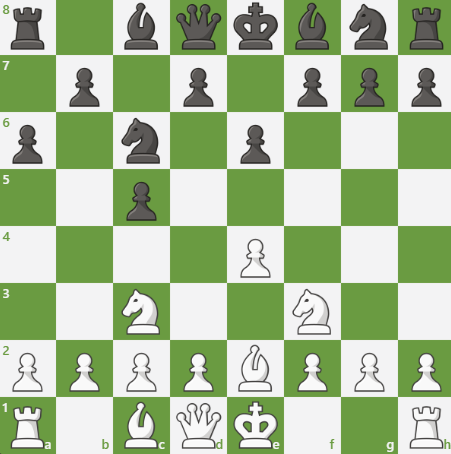
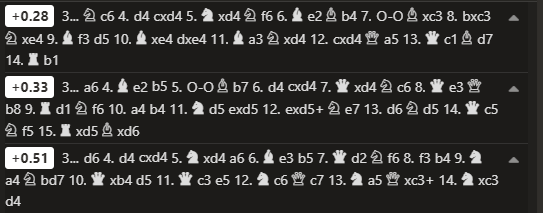
GM Wei Yi has shattered numerous records throughout his career. He became the second youngest player in history to surpass the 2600 rating mark, trailing only John M. Burke. Wei’s rapid progress is remarkable, having earned both the International Master and Grandmaster titles in the same year. At the time, he was the world’s youngest GM, achieving the title at just 13 years, 8 months, and 23 days.
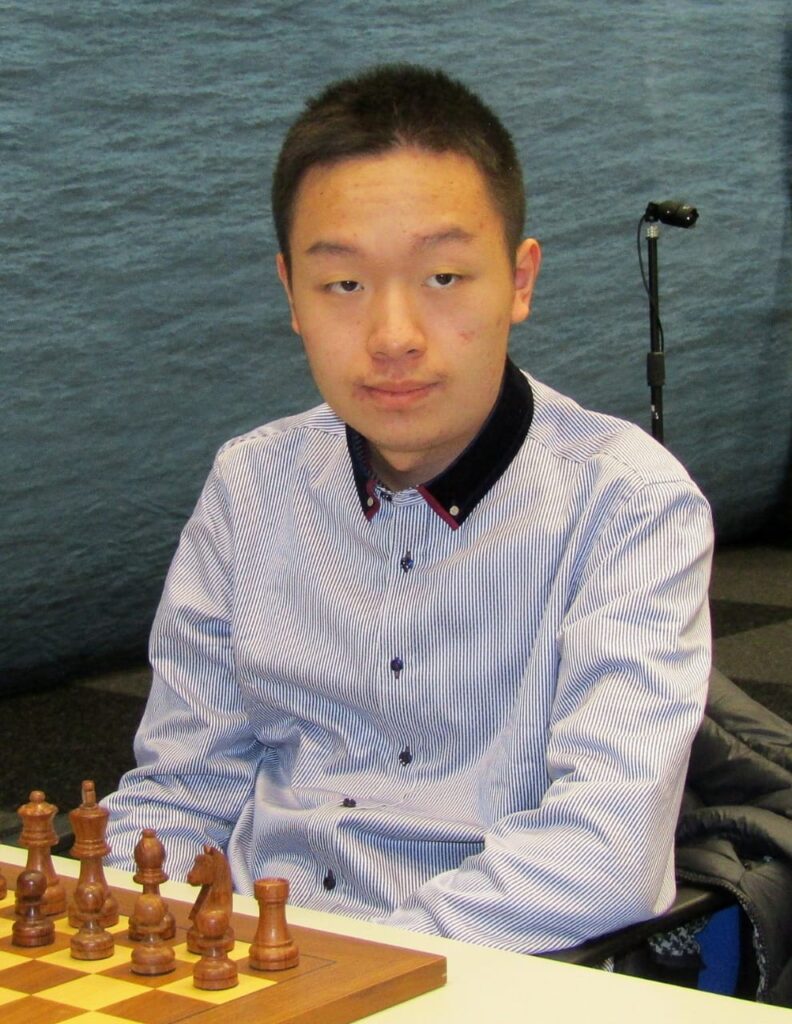
This game is arguably Wei Yi’s most iconic victory, showcasing his signature attacking style against GM Lazaro Bruzon during the 2015 Danzhou Tournament.
𝐀𝐧𝐝𝐲 𝐖𝐨𝐨𝐝𝐰𝐚𝐫𝐝
GM-elect Andy Woodward is set to become the 10th-youngest Grandmaster in history and the youngest in the world once confirmed by FIDE at their upcoming conference.

𝐑𝐚𝐮𝐧𝐚𝐤 𝐒𝐚𝐝𝐡𝐰𝐚𝐧𝐢
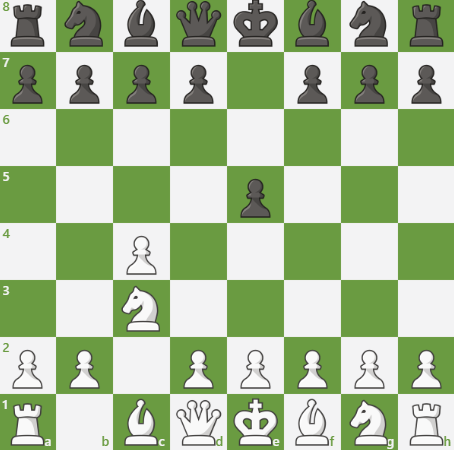
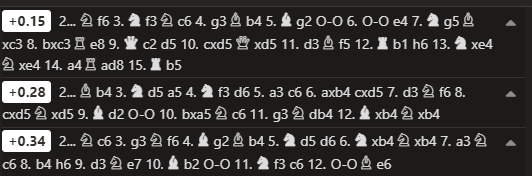
GM Raunak Sadhwani is currently India’s fourth-youngest Grandmaster. He achieved his third and final GM norm at the FIDE Chess.com Grand Swiss in October 2019, held in the Isle of Man. Competing against a strong field, Sadhwani finished with a 50% score, facing elite grandmasters such as Sergey Karjakin, Sanan Sjugirov, Surya Ganguly, Pavel Eljanov, Peter Leko, Gabriel Sargissian, Markus Ragger, Alexander Motylev, Bassem Amin, and Maksim Chigaev.

Here’s how he defeated former European Champion Alexander Motylev:
𝐁𝐮 𝐗𝐢𝐚𝐧𝐠𝐳𝐡𝐢
GM Bu Xiangzhi earned his Grandmaster title in 1999, becoming the youngest GM in chess history at the time—a record later surpassed by Sergey Karjakin in 2002. Bu claimed the Chinese Chess Championship in 2004 and has represented China in four Chess Olympiads, including the 2018 event where China won gold. A recognized talent on the global stage, Bu made headlines in 2017 when he eliminated Magnus Carlsen from the World Cup and later defeated the world champion again in the World Rapid Championship that same year.

In 2017, Bu Xiangzhi gained widespread attention by eliminating Magnus Carlsen in the World Cup and defeating the world champion once again at the World Rapid Championship later that year.
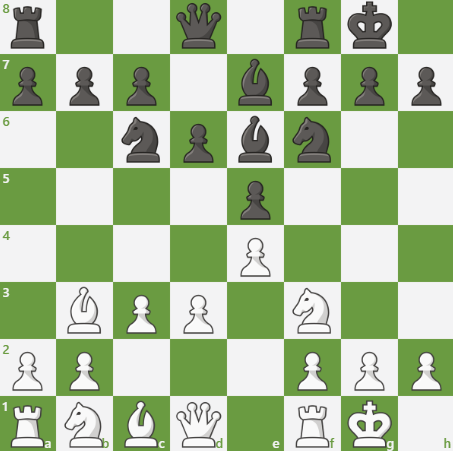
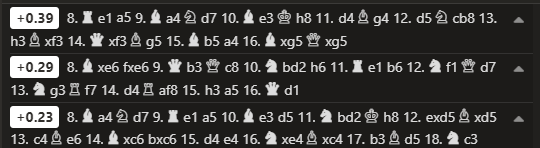
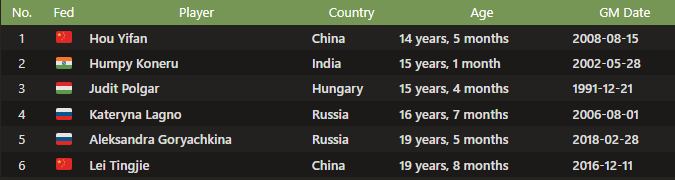
𝐓𝐨𝐩 𝟔 𝐘𝐨𝐮𝐧𝐠𝐞𝐬𝐭 𝐅𝐞𝐦𝐚𝐥𝐞 𝐂𝐡𝐞𝐬𝐬 𝐆𝐫𝐚𝐧𝐝𝐦𝐚𝐬𝐭𝐞𝐫𝐬
Only six female players have achieved the Grandmaster title before the age of 20.
𝐇𝐨𝐮 𝐘𝐢𝐟𝐚𝐧
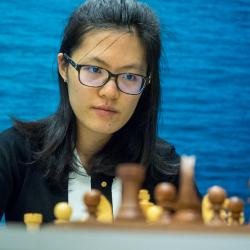
Four-time Women’s World Chess Champion GM Hou Yifan holds the record for the fastest any female player has earned the GM title, achieving it at just 14 years and 5 months. The Chinese Grandmaster is also the third woman to break into the top 100 live rating list, following GMs Maia Chiburdanidze and Judit Polgar.
Hou has competed in numerous elite invitational events, including the Tata Steel Chess tournament, where she triumphed over GM Anish Giri with the Black pieces.
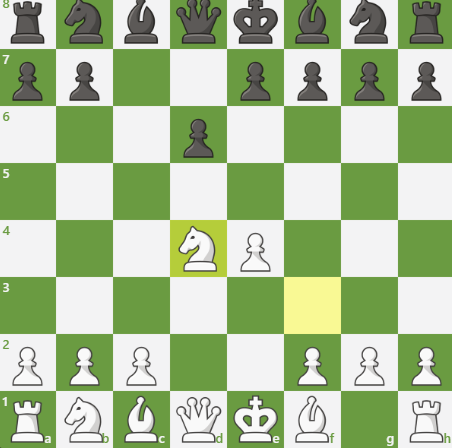
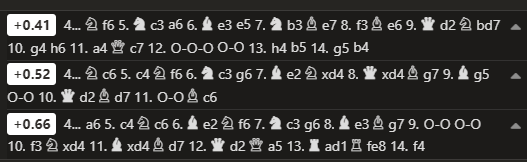
𝐇𝐮𝐦𝐩𝐲 𝐊𝐨𝐧𝐞𝐫𝐮
GM Humpy Koneru became a Grandmaster in 2002, breaking the record at the time as the fastest woman to achieve the title, at just 15 years and 1 month. In 2011, she was the challenger for the Women’s World Championship title, where she narrowly lost to Hou Yifan. Over 15 years later, the Indian Grandmaster remains one of the world’s strongest female players.
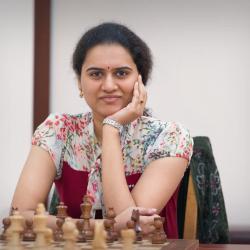
One of Koneru’s finest victories was against Peruvian Grandmaster Julio Granda Zuniga, ending in a position fit for a Puzzle Rush tactic!
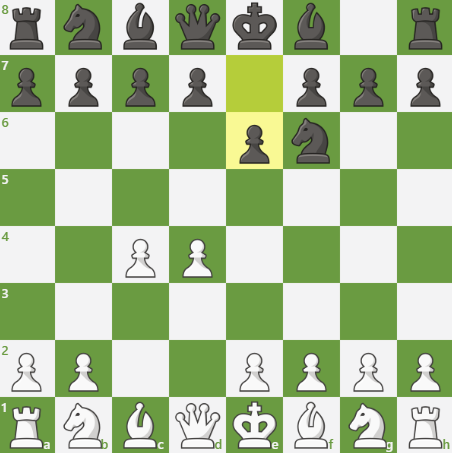
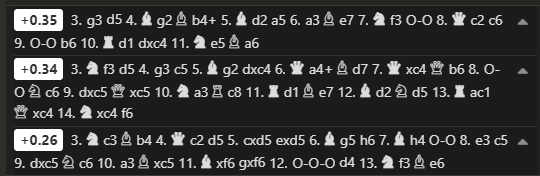
𝐉𝐮𝐝𝐢𝐭 𝐏𝐨𝐥𝐠𝐚𝐫
Widely regarded as the greatest female chess player of all time, GM Judit Polgar is the only woman to ever cross the 2700 rating mark. Though now retired, Polgar’s career was marked by victories over legendary players such as Magnus Carlsen, Garry Kasparov, Anatoly Karpov, Vladimir Kramnik, and many others.
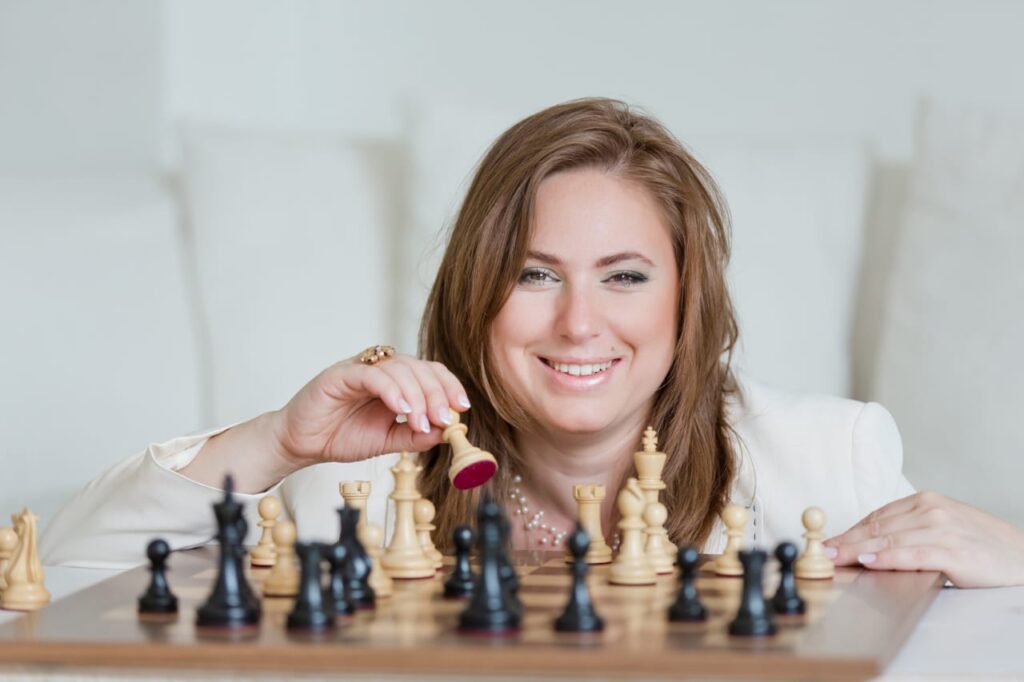
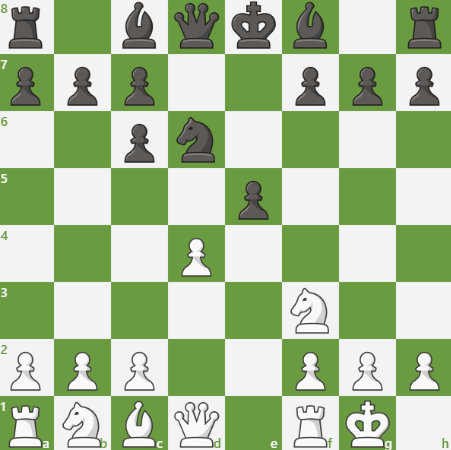
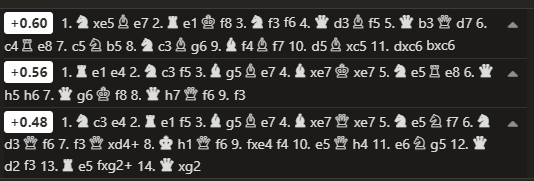
Judit Polgar’s victory over Garry Kasparov in 2002 stands as the most iconic game of her career.
𝐊𝐚𝐭𝐞𝐫𝐲𝐧𝐚 𝐋𝐚𝐠𝐧𝐨
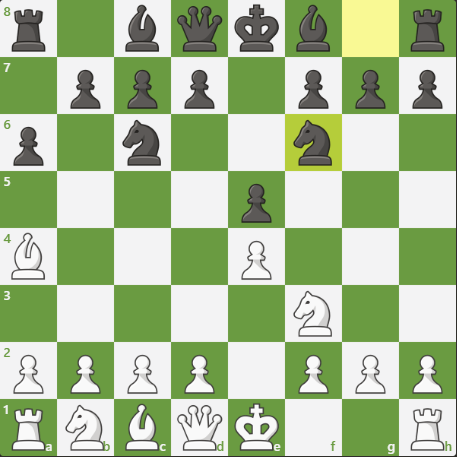
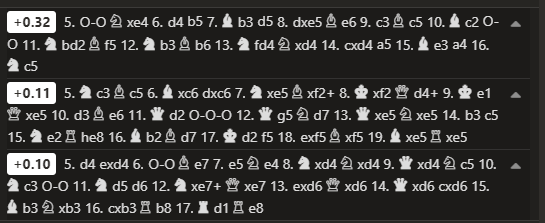
Currently ranked among the top female chess players in the world, GM Kateryna Lagno has consistently demonstrated her dominance in women’s chess. She won the European Women’s Championship in both 2005 and 2008 and was a finalist in the 2018 Women’s World Championship, where she faced GM Ju Wenjun.

Here’s a dominant victory by Lagno against former Women’s World Champion Alexandra Kosteniuk.
𝐀𝐥𝐞𝐤𝐬𝐚𝐧𝐝𝐫𝐚 𝐆𝐨𝐫𝐲𝐚𝐜𝐡𝐤𝐢𝐧𝐚
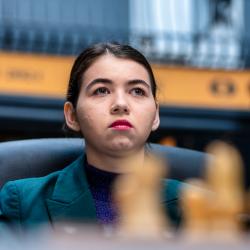
GM Aleksandra Goryachkina has rapidly risen to prominence in the chess world. By the age of 20, the Russian Grandmaster had already secured a spot in the top 10 women’s rankings. She won the prestigious Russian Women’s Championship Superfinal in both 2015 and 2017, showcasing her consistency and strength.
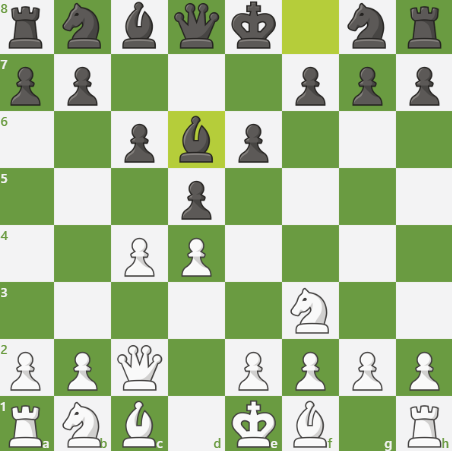
Though not her most challenging opponent, Goryachkina demonstrated her formidable skills in this impressive game against the Stonewall Dutch.

𝐋𝐞𝐢 𝐓𝐢𝐧𝐠𝐣𝐢𝐞
GM Lei Tingjie is one of China’s top female chess players and has played a key role in several team victories for her country. She contributed to China’s gold medal successes in major events, including the Asian Nations Cup (2016), the Batumi Olympiad (2018), and the World Team Championship (2019).
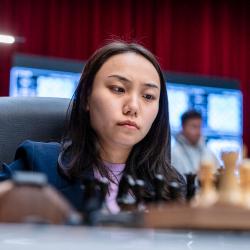
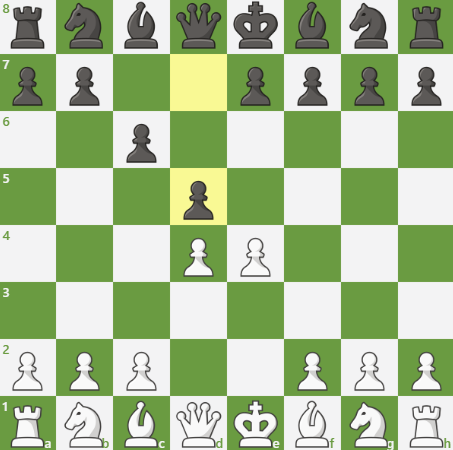
Lei delivered a flawless positional masterclass with Black in this game from the 2017 World Rapid Championships, showcasing brilliance from start to finish!
Exploring the Impact ofChess on Education:A Collection of Research Studies
Dec 06th, 2024
Where Can Educators Find Research on the Educational Value of Chess?
Many educators seek reliable studies on how chess benefits learning. This article compiles key research on chess education, thanks to contributions from Dr. Robert Ferguson, who has conducted several studies himself.
Highlights:
•A 2019 Alabama study found chess boosts test scores and school engagement, especially in younger grades, with teachers also reporting increased job enthusiasm.

•Research from New Mexico revealed chess education improves math and reading scores, with math scores jumping 7%, and an incredible 28% boost when students competed in tournaments.
For a collection of recent chess studies, check out this compilation from the Chess Club and Scholastic Center of Saint Louis, as well as another from the U.S. Chess Federation. One study revealed that gifted students (with an IQ above 130) who participated in chess outperformed those who engaged in alternative activities, such as computer learning, during the same period. It’s important to note that there was no formal “control” group; the non-chess participants simply engaged in different activities.
For a collection of recent chess studies, check out this compilation from the Chess Club and Scholastic Center of Saint Louis, as well as another from the U.S. Chess Federation. One study revealed that gifted students (with an IQ above 130) who participated in chess outperformed those who engaged in alternative activities, such as computer learning, during the same period. It’s important to note that there was no formal “control” group; the non-chess participants simply engaged in different activities.
This study was unique in that chess was taught or played daily throughout an entire school year, starting with students who had no prior knowledge of the game. It also involved a broader range of children, with an average IQ just above 100. The results highlighted the differences in progress between girls and boys. The two benchmarks used for assessment were the “Test of Cognitive Skills” (measuring memory) and the “California Achievement Test” (measuring verbal reasoning). By the end of the school year, the chess group showed significant improvements in memory percentiles, while also achieving modest gains in verbal reasoning.
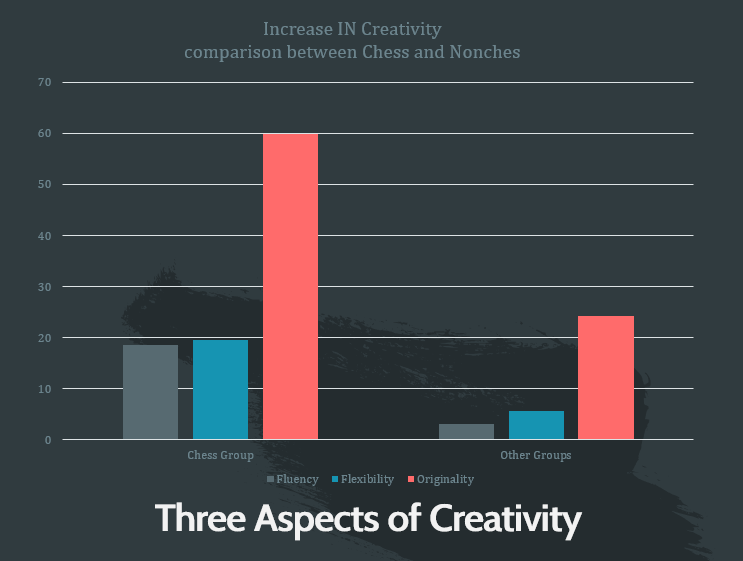
Another study, with a larger control group of four schools, focused on the effects of afterschool chess clubs and spanned multiple years. This study also analyzed gains across different educational groups, such as gifted and talented, and special education students. Using scores from the Texas Assessment of Academic Skills, nearly all the chess groups showed greater progress compared to their non-chess peers, with especially notable improvements seen in both regular and special education students.
This study examined the impact of chess on reading scores (full disclosure: I taught at Chess-in-the-Schools in New York City from 2001-2004, the organization later known as the American Chess Foundation). The study was conducted over two years in the Bronx, where many of the instructors were professional chess teachers, some of whom were masters (including future GM Maurice Ashley, who contributed to the program). Participation in the chess program was voluntary.
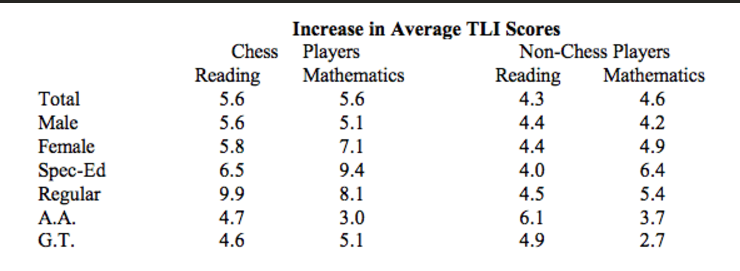
In summary, out of the 22 students tracked, 15 showed an improvement in their reading percentile scores by the end of two years, while 7 saw a decline. In contrast, the larger control group had 491 students who improved and 627 who declined. For the chess group, reading scores began at the 58th percentile in 3rd grade and increased to the 63rd percentile by 5th grade.
The study offers several hypotheses on how chess might contribute to improved reading, including boosting general intelligence, concentration, self-esteem, and other potential factors.
Additional resources:
•A summary of current and past chess research studies in the United Kingdom.
•The Journal of Chess Research, which compiles studies on various aspects of chess and its use as an educational tool.

Source by: Journal Of Chess Research
Gukesh’s Journey: Lessons from Chess Legends to the Youngest World Title Contender
Nov 23rd, 2024
With a fearless tactical style, Gukesh Dommaraju has carved his place in chess history. Dive into the influences that shaped his game and discover how you can adopt the maneuvers and mindset of the youngest challenger for the chess crown.
At just 18, Gukesh has achieved what many grandmasters can only dream of:
- Surpassing the 2750 Elo mark in 2022
- Clinching double gold and scoring 9/10 at the 2024 Chess Olympiad
- Winning the 2024 Candidates Tournament to become the youngest contender for the title
Imagine the family chatter and comparisons during dinner conversations! Thankfully, we get to simply enjoy watching Gukesh in action.
Now, he’s set to face World Chess Champion Ding Liren in the biggest showdown of 2024.
As the world eagerly awaits, let’s revisit the inspirations that defined Gukesh’s play. Who knows—you might pick up tactics to sharpen your own game!
Let’s dive in.
Guided by the Legend: Viswanathan Anand
“It all started with Vishy Anand,” Gukesh shared in an NDTV interview, reflecting on India’s rise in professional chess.
Anand, India’s first Grandmaster (1998), is a five-time World Chess Champion and a two-time World Cup winner. Widely regarded as India’s greatest chess player, he inspires millions whenever he competes.
But Anand’s influence goes beyond inspiration. Through the Westbridge Anand Chess Academy (WACA), he mentored Gukesh and other rising Indian stars.
From January 2021 to November 2022, the program brought together renowned coaches like Artur Yusupov (two-time World Championship candidate) and Boris Gelfand (2012 World Championship challenger), aiming to catapult Indian talent into the top 10.
“What I want to see from this is to make sure some of them will break into the top 10,” Anand stated.
And Gukesh did just that!
Starting at 2563 Elo, Gukesh gained an astonishing 162 points, climbing to 2725 Elo and world #23. By September 2023, he entered the top 10, reaching world #8 and eventually achieving his highest rank yet—world #5.
Anand’s guidance has truly shaped a new era for Indian chess.
Influenced by the Legendary Garry Kasparov
When Garry Kasparov retired in 2005, Gukesh wasn’t even born. Yet, the 13th World Chess Champion’s impact on the young prodigy is undeniable.
In Gukesh’s home library, you’ll find annotated collections of classical games, including Kasparov’s masterpieces. Over the board, their styles share striking similarities—both are fearless attackers with a knack for breathtaking combinations.
Kasparov ruled the chess world for over 20 years, renowned for his unparalleled ability to hunt kings and calculate deep, intricate variations. His unmatched mastery of knight play, showcased in the 1985 and 1990 World Chess Championships, remains iconic.
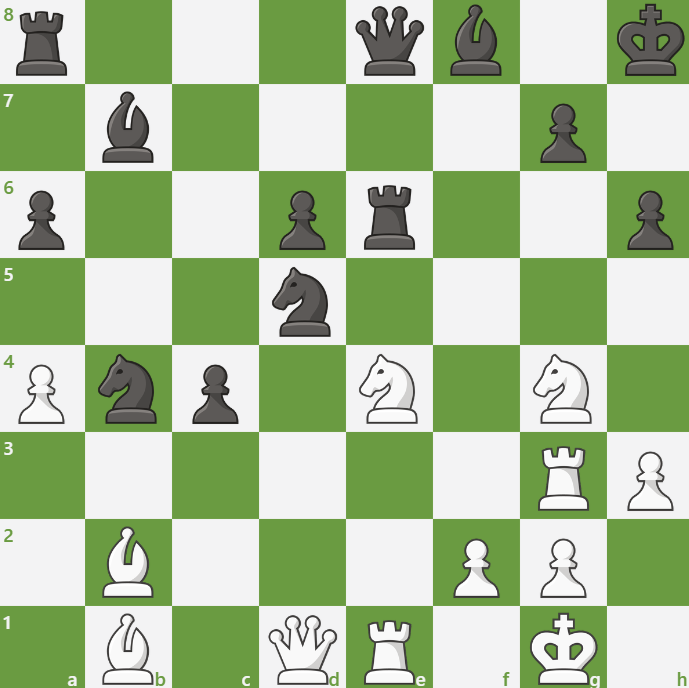
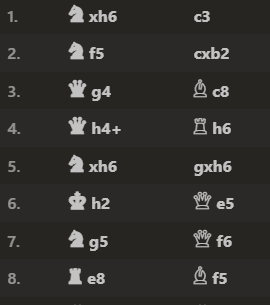
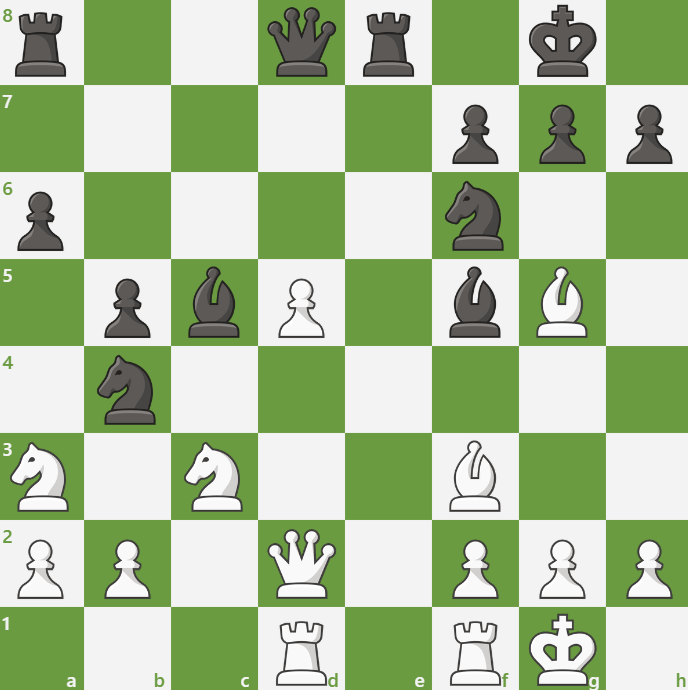
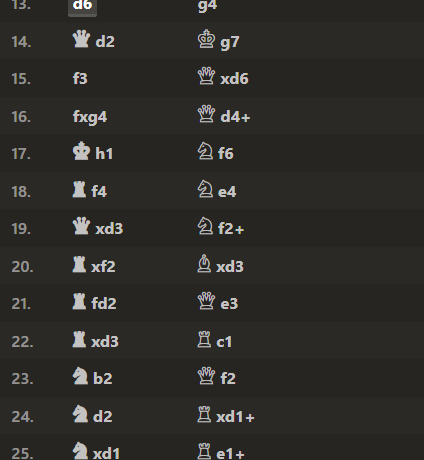
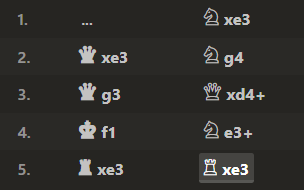
Gukesh seems to channel that same magic with his knights. ‘Active and aggressive’ perfectly describes their role in many of his games, where he often defies both commentators and engines with stunning precision.
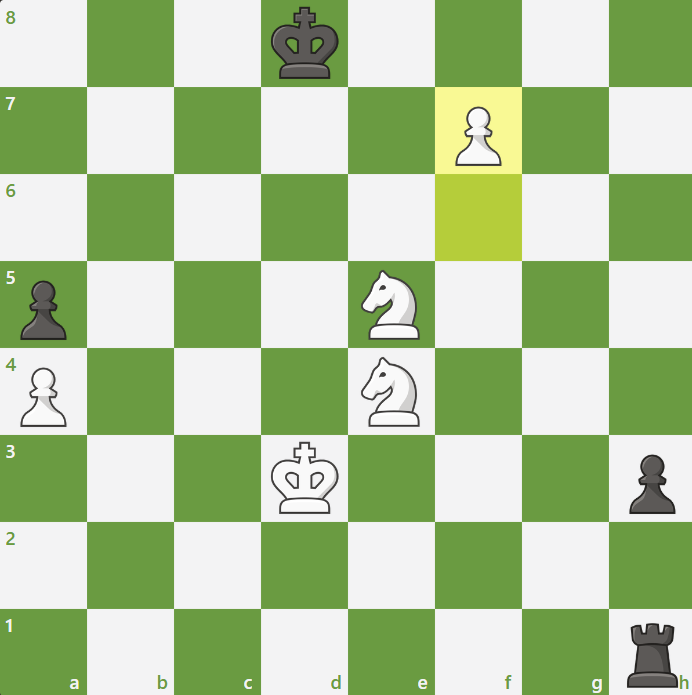
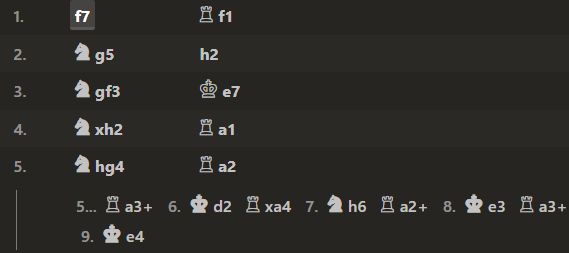
In one such moment, White attempts to drive Gukesh’s knight back to f6. But our champion had other plans. Can you spot his winning idea?
Mastering Restriction Like Magnus Carlsen
When it comes to the art of restriction and prophylaxis, no one rivals the precision of 16th World Champion Magnus Carlsen.
In his iconic “most accurate game in World Chess Championship history,” Carlsen systematically dismantled Black’s active ideas, leaving victory as a mere formality.
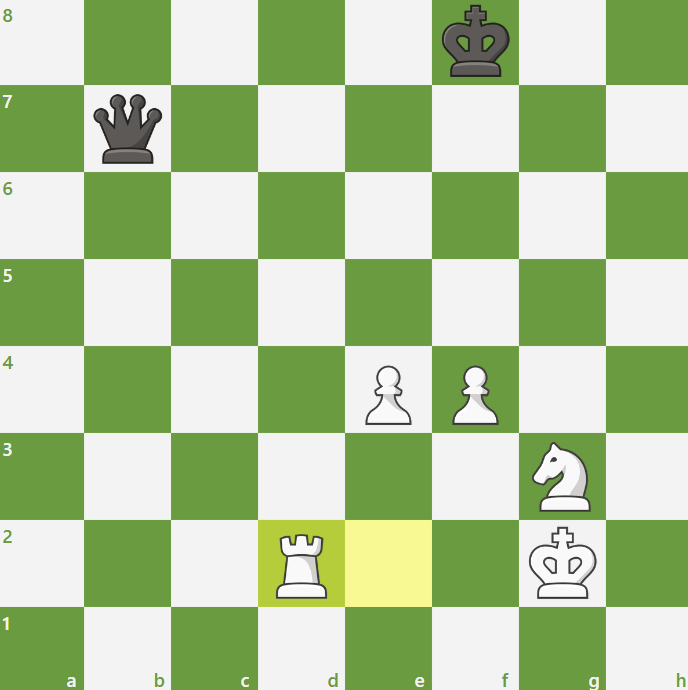
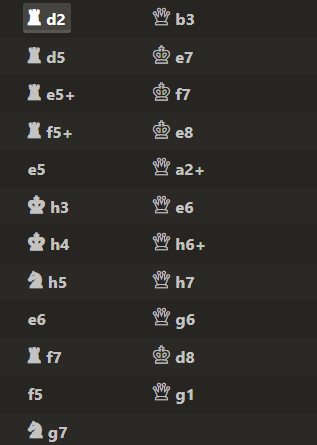
Stylistically, Carlsen and Gukesh couldn’t be more different. Carlsen thrives in positions of iron control, while Gukesh excels in chaotic, tactical battles.
Yet, under the guidance of his coach, GM Vishnu Prasanna, Gukesh studied Carlsen’s games closely—focusing on how Magnus predicts and neutralizes his opponent’s plans. This insight transformed Gukesh into an even deadlier attacker.
With his opponent’s counterplay stifled, Gukesh could unleash his offense freely, pressing his advantage at the perfect moment.
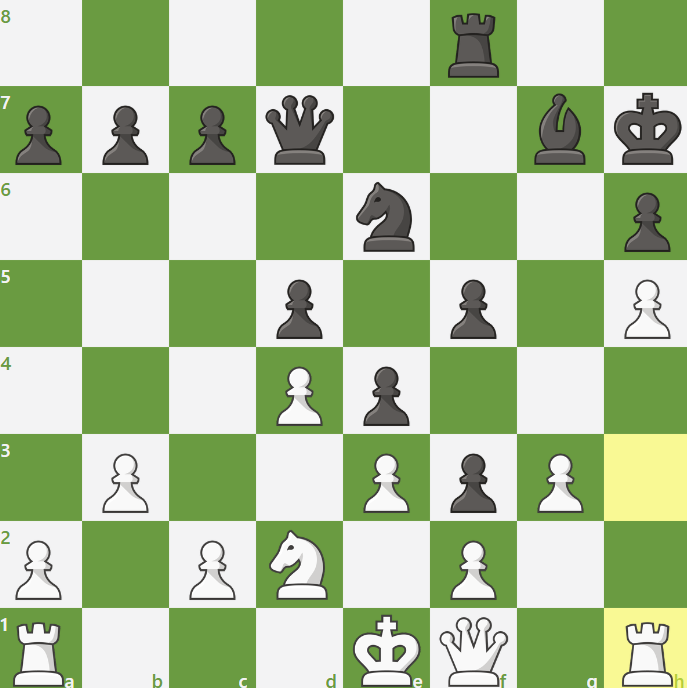
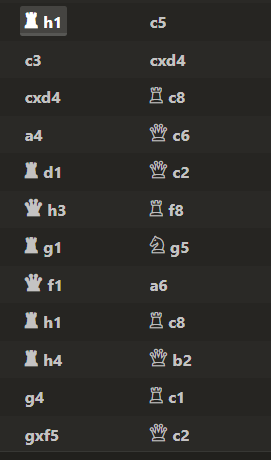
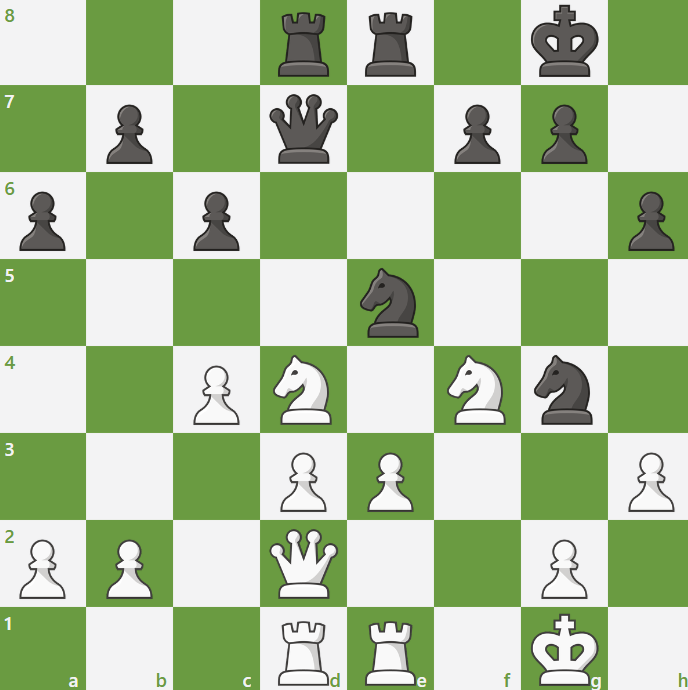
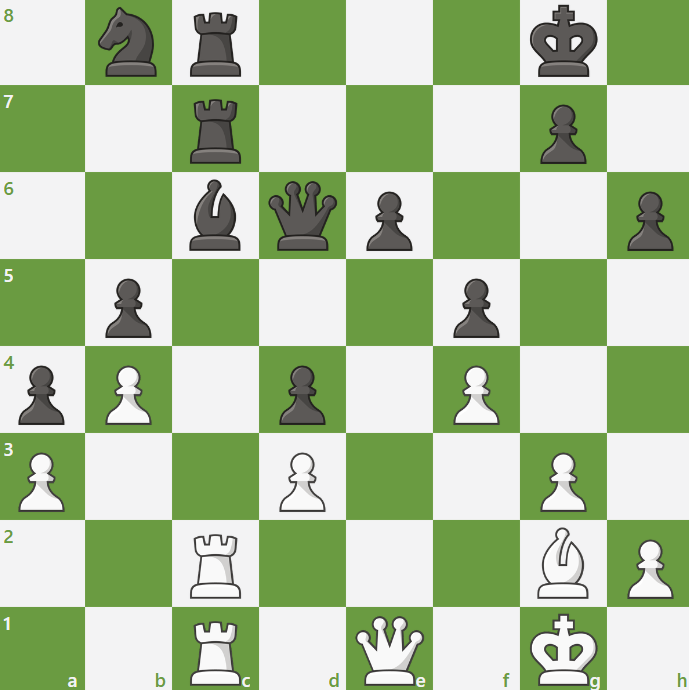
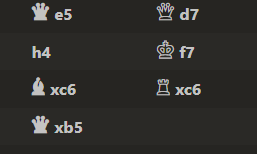
One of his signature tools for restriction? The pin. In this example, a single pin immobilizes four (!) of Black’s pieces, forcing a losing move. Can you spot the masterstroke?
Conclusion
Over 325 years ago, Sir Isaac Newton famously remarked:

Gukesh Dommaraju’s rise to greatness mirrors this sentiment.
By absorbing the brilliance of Anand, the tactical mastery of Kasparov, and the positional dominance of Carlsen, Gukesh has crafted his own unique, high-pressure style that has captivated the chess world.
And the best part? You can learn to play like him.
Dive into Master Moves: Gukesh to explore 150 of his finest games and uncover the key elements that define his play.
From his dazzling knight maneuvers and relentless attacks to his queen-led assaults and signature pawn breaks—this guide dissects Gukesh’s gameplay so you can apply these strategies to your own.
Are you ready to embrace the “Guki-style” and take your game to the next level?
Chess Vampires: Unraveling the Mysteries of the Castle Strategy
Nov 12th, 2024
Can you crack this Halloween chess puzzle? 🎃
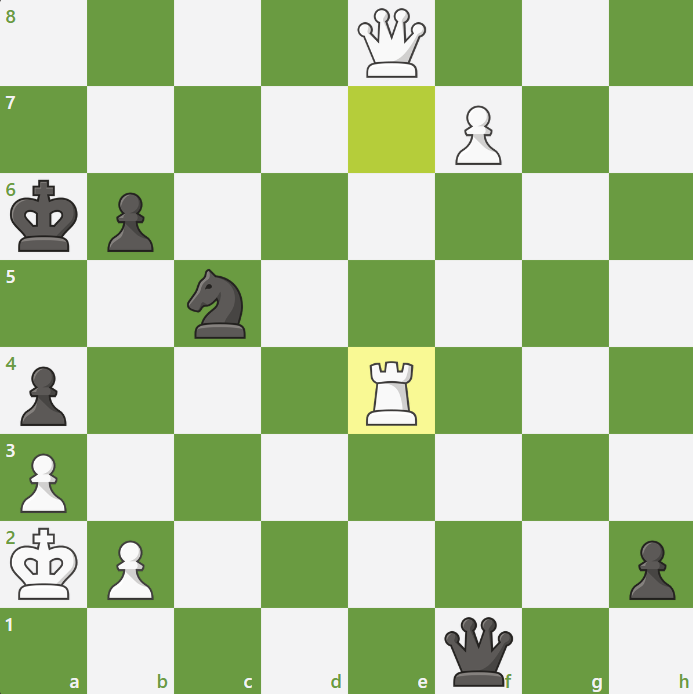
Hope you had a great Halloween! Here’s a tricky challenge for you: Figure out where the misplaced rook belongs. Is it on g1 or h1?
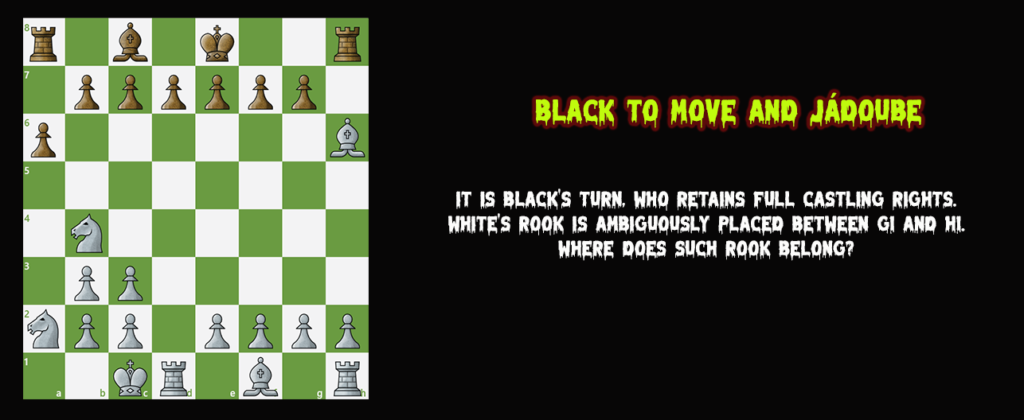
Only one of the two choices results in a legal chess position (one that could actually occur in a game).
Give it a shot!
Hint: Consider the last moves that might have been played.
So, what’s the connection to Halloween?
Solving this puzzle involves a clever parity argument, which leads us into the eerie world of chess composition: chess vampires.
A chess vampire is a legal position that has no legal mirror image. For more about how a position’s mirror image is defined and to explore these fascinating creatures, visit our first post on chess vampires.

The Vampire’s Castle
Last year, we stumbled upon vampires where en passant was possible. We even explored the woods and uncovered vampires with promoted pieces—rare creatures only found in the darkest hours before dawn. Yet, one mystery lingered.
Could the legend be real? Is there truly a castle of vampires? It’s rumored to lie hidden deep in the shadows, only emerging under the full moon’s glow. Stories of ghostly sightings have kept the legend alive for centuries. Some claim they’ve glimpsed its outline through the trees, while others believe it’s just a myth meant to ward off the curious. Despite many quests, no one had found it.
Today, reader, you have the chance to unveil it. The answer to the puzzle above reveals a castling vampire—a rare creature that survived a castling move. What a remarkable discovery!
Solution:
To solve this, let’s follow the hint and temporarily ignore the rook. We need to figure out the sequence of moves that led to the current puzzle position.
It’s Black’s turn, so White made the last move. While there seem to be several possible retractions for White, we need to determine what Black’s previous move was. If it was a7-a6, what came before that? We need a Black knight to reappear on the board so it can continue retracting.
Both of Black’s knights were captured on b3 and c3.
It would take 3 retractions from White to bring back a Black knight on b3. That’s too many… We also can’t retract dxc3 until the white bishop returns to c1. It seems we’ve hit a wall. But wait! We can gain an extra retraction by bringing a Black pawn back to h6 when retracting the bishop.
From this, we can deduce that the last 5 moves (plies) must have been as follows (still ignoring the rook):
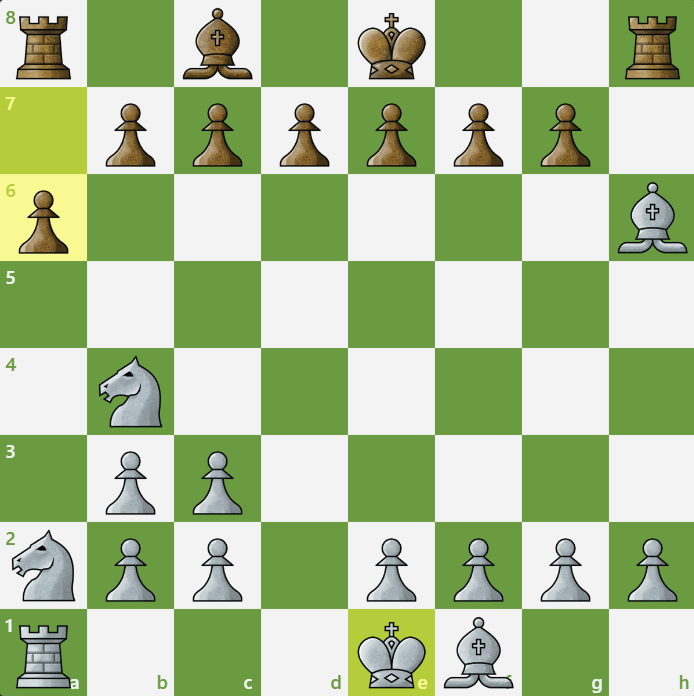
Let’s wrap it up with our standard counting argument. Setting aside the rook for a moment, to arrive at the position just before the move dxc3:
White has made an odd number of moves (an even count of knight moves plus one pawn move, axb3).
Black has made an even number of moves (since squares b3 and c3 are of different colors).
However, in a position where it’s White’s turn to move, both players must have completed an equal number of moves. Thus, we need to adjust White’s move count, which is only possible by placing the rook on g1.
Final Thoughts
This composition answers the age-old question: can there be vampires in a game where castling has occurred? It’s incredible to discover that they do exist.
This revelation also affects how we classify these “vampires” into different “clans,” but that’s a story for another day.
We hope you found this post enjoyable! If you did, don’t forget to share it with your friends. Happy puzzling!
Chennai Grand Masters 2024: India’s Strongest Chess Tournament Returns
Nov 05th, 2024
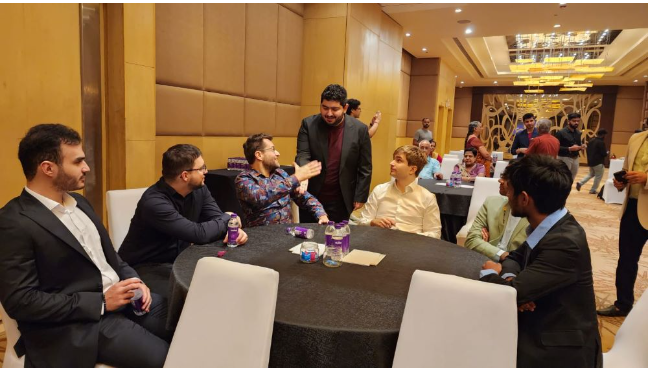
The Chennai Grand Masters continues to reign as India’s premier classical super tournament, boasting an impressive average rating of 2725 in the Masters section – a 14-point increase from its inaugural edition. The Challengers section follows closely with an average rating of 2594.
Masters Lineup:
- Arjun Erigaisi
- Levon Aronian (USA)
- Vidit Gujrathi
- Maxime Vachier-Lagrave (FRA)
- Parham Maghsoodloo (IRI)
- Aravindh Chithambaram
- M Amin Tabatabaei (IRI)
- Alexey Sarana (SRB)
Challengers Lineup:
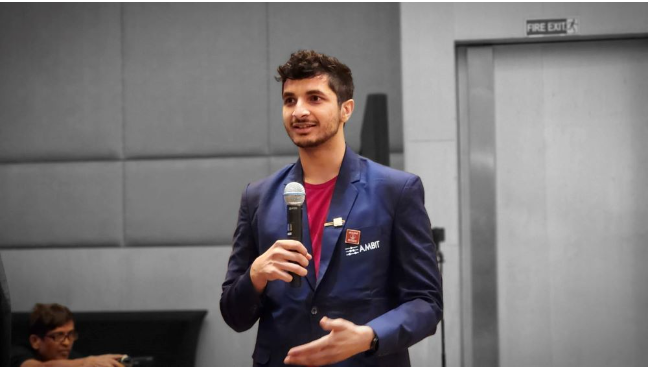
- Raunak Sadhwani
- Abhimanyu Puranik
- Leon Luke Mendonca
- Karthikeyan Murali
- Pranav V
- Pranesh M
- Harika Dronavalli
- R Vaishali

Tournament Details:
- Sponsored by Tamil Nadu Government and Sports Development Authority of Tamil Nadu
- Total prize fund in Masters: ₹5,000,000 (≈US$ 60,000)
- Top three prizes: ₹1,500,000 (≈US$ 18,000), ₹1,000,000 (≈US$ 12,000), and ₹800,000 (≈US$ 9,600)
- Round 1 starts today at 3 p.m. IST
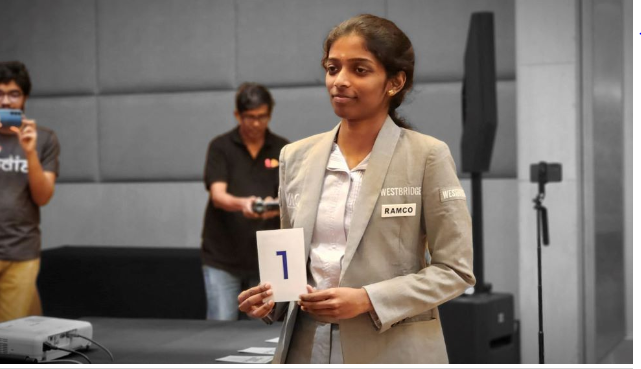
Challengers Section:
- Prize fund: ₹2,000,000
- Top three prizes: ₹600,000, ₹400,000, and ₹320,000
- Winner advances to Masters in the next edition
The Chennai Grand Masters 2024 is made possible thanks to the tireless efforts of key individuals, notably Atulya Mishra, Additional Chief Secretary of Tamil Nadu Government, and Meghanath Reddy, Member Secretary Sports Development Authority of Tamil Nadu. However, one person who has truly gone above and beyond is GM Srinath Narayanan.
Srinath’s parents always envisioned him becoming a world-class chess player, but he’s exceeded those expectations by creating multiple champions for India. As captain of India’s gold medal-winning team and trainer to the country’s top budding talents, Srinath has been instrumental in growing chess in India. Now, as organizer of the Chennai Grand Masters 2024, he’s brought the strongest classical tournament to Indian soil.
What’s truly inspiring about Srinath is his work ethic and humility. He lets his results speak for themselves, and his parents’ pride and happiness were palpable as they attended the opening ceremony. Srinath’s contributions to Indian chess are a testament to his dedication and passion.
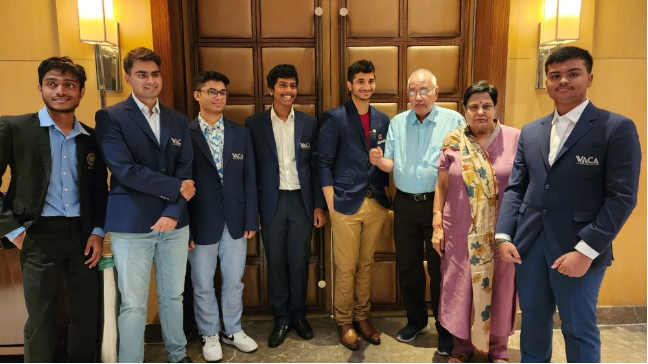
Key Contributors to Chennai Grand Masters 2024:
- Atulya Mishra: Additional Chief Secretary of Tamil Nadu Government
- Meghanath Reddy: Member Secretary Sports Development Authority of Tamil Nadu
- GM Srinath Narayanan: Captain of India’s gold medal-winning team, trainer, and organizer of Chennai Grand Masters 2024
The Chennai Grand Masters 2024 promises to be an exciting event, featuring top players like Arjun Erigaisi, Levon Aronian, and Vidit Gujrathi. With Srinath at the helm, Indian chess is in good hands.
Magnus Debate Settled? 5 Reasons Carlsen Passed the Crown to This Legend
Oct 24th, 2024
Magnus Carlsen isn’t just the 16th World Chess Champion—he’s claimed the crown in all three formats: classical, rapid, and blitz, a remarkable 17 times!
With a peak FIDE rating of 2882, the highest ever recorded, and an unmatched 125-game unbeaten streak at the elite level, Carlsen also played the most accurate game in World Chess Championship history.
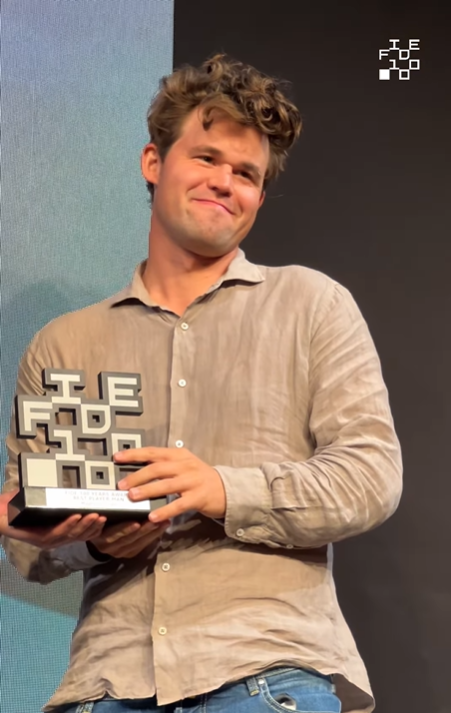
The records keep stacking up! So, when Carlsen received the FIDE 100 Best Player Award, it felt like a perfect fit—though Carlsen himself seemed the least surprised!
“I am, of course, happy to get this award. But in my personal opinion, I still think Garry Kasparov has had a better career than I have… I still think he was more deserving,” Carlsen declared.
The 13th World Champion, Garry Kasparov, remains a top contender for the “greatest of all time” title.
If you’re new to chess, you might recognize him from popular chess vloggers’ videos—where even top players like Hikaru Nakamura and Fabiano Caruana couldn’t defeat a “retired, rusty” Kasparov on his best days.
For seasoned fans, reliving Kasparov’s prime is a trip down memory lane!
Regardless of where you stand, here are 5 reasons why Kasparov is still the GOAT for many, including Carlsen!
- He Defended His Title 5 Times
As tennis legend Althea Gibson once said, “Winning it twice proves you are the best.” By that measure, Kasparov’s five successful title defenses stand unmatched.
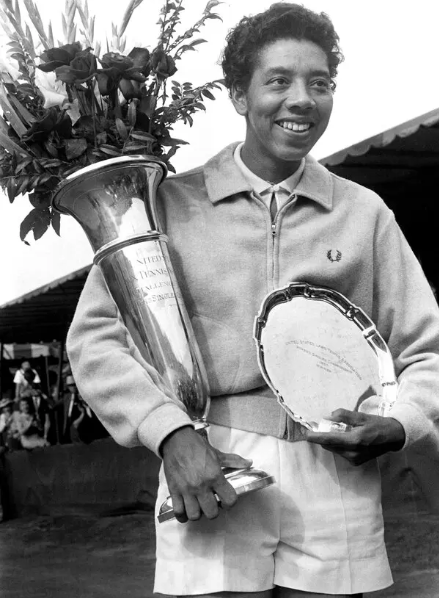
Though Emanuel Lasker also defended his title five times, Lasker’s era was often influenced by sponsorships, with challengers based on financial backing rather than merit. In contrast, Kasparov faced opponents who emerged from rigorous tournament cycles, ensuring they were the toughest competition of the time.
Kasparov’s defenses included four grueling matches against Anatoly Karpov, a dominant win over Nigel Short in 1993, and a decisive victory against Vishy Anand, securing his legendary status.
- The First-Ever 2800-Rated Grandmaster
The 2800-Elo mark is like an exclusive mansion where only the chess elite visit — and where Magnus Carlsen currently resides. But guess who built that mansion?
Kasparov was the first to shatter the 2800 barrier in January 1990 after dominating official tournaments, exhibition matches, and even TV appearances. He swept the Belgrade Investbank International with 8 wins and no losses, crushed the Tilburg Interpolis with 12 out of 14 points, and demolished a team of 6 French GMs and IMs in a simul. He even schooled David Letterman on live TV!
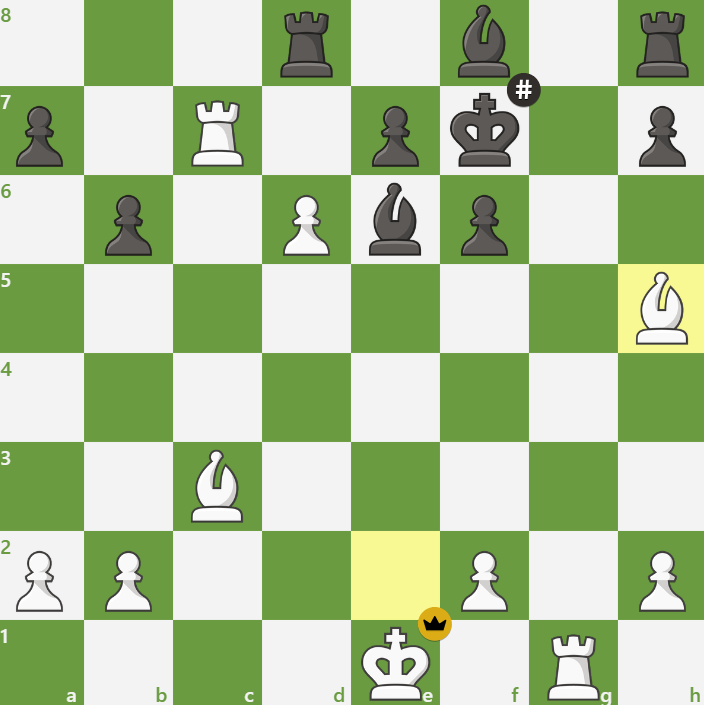
Though Kasparov briefly dipped below 2800 in 1992 and 1996, he quickly rebounded and never left the mansion again.
- He Ruled Over Two Chess Eras
Kasparov burst onto the chess scene in 1979, entering an elite tournament in Yugoslavia as an unrated player and finishing 1st, two points clear of the field. He quickly rose through the ranks, winning the World Youth Championship, the USSR Chess Championship, and dominating the 1982 Bugojno Super-tournament, before claiming the World Championship title.
In the pre-computer era, players relied on intense manual analysis, keeping track of endless variations in handwritten notebooks. Kasparov thrived in this hardcore environment, outworking his opponents and discovering fresh ideas.
Then, in the 1990s, Kasparov adapted to the rise of computers, facing new-generation GMs and powerful engines. Far from fading, he sharpened his skills, staying at the top even as chess entered the machine age. His successor, Vladimir Kramnik, summed it up best:

Kasparov was built for both worlds.
- He Pushed Boundaries Like No One Before
Most athletes, once at the top, shift to a defensive mindset—playing to avoid losing rather than playing to win. But Kasparov was different.
He relentlessly sought out new challenges, both in and outside of World Chess Championship matches. When super-GM tournaments weren’t enough, he took on entire national teams in clock simul games, dominating the Israeli and American teams.
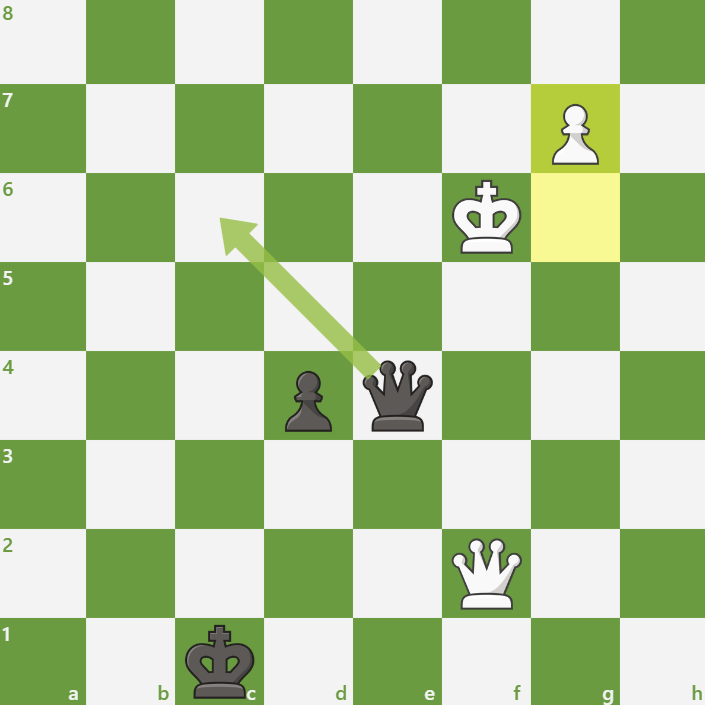
In 1999, he faced over 50,000 players from 75 countries in an Internet consultation game and still emerged victorious. He also famously beat IBM’s Deep Blue supercomputer in their first match. Even after losing the rematch to a more powerful version, Kasparov continued to take on and challenge the strongest chess engines of the time.
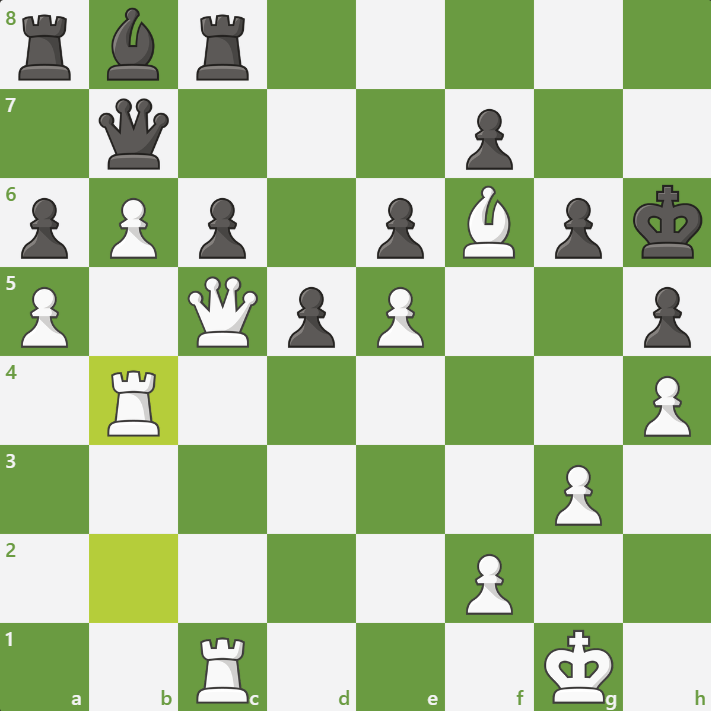
- He Kept Chess Alive on the World Stage Long Before the Boom
Before the 2020 chess boom, where streaming and online platforms made chess a global sensation, the game had few outlets for mass appeal. Social media, streaming, and platforms like Chess.com didn’t exist 20-30 years ago.
During this time, it was Kasparov who carried the mantle, representing chess on the world stage and attracting new fans. From appearing at Super Bowl XXXV to reenacting his Man vs. Machine triumph and giving countless interviews on the game’s value, Kasparov ensured chess stayed relevant and cool.
Wrapping Up
The GOAT debate in chess may never end, but Kasparov’s lasting influence on the game is undeniable. Whether you agree with Carlsen or not, we hope this journey through Kasparov’s legacy deepened your appreciation for chess legends and their timeless lessons.
© The Madras School of Chess
Created by Webdzo
 Chat with us