New Year, New Opening: Reinvent Your Chess Repertoire in 2026
Jan 08th, 2026
New Year, New Opening: It’s Time to Defeat Your Chess Nemesis
Every chess player has one.
That one opening that makes your heart sink the moment it appears on the board.
The one you secretly hope your opponent never plays—especially in an important game.
The one that has cost you points, confidence, and sometimes sleep.

We call it your opening nemesis.
As we step into 2026, this is the perfect moment to ask yourself an honest question: Am I going to keep suffering against the same opening… or finally take control?
The new year isn’t just about resolutions—it’s about strategic resets. And in chess, few resets are as powerful as reinventing your opening repertoire.
January: The Perfect Time for a Strategic Pivot
January 1st is universally known as a fresh start. In chess terms, it’s your chance to:

- Stop repeating the same opening mistakes
- Replace fear with preparation
- Turn discomfort into confidence
You have two powerful options when dealing with your opening nemesis:
- Avoid it intelligently – by adopting a fresh, modern repertoire that steers the game into positions you understand better
- Face it head-on – by deeply learning the ideas, structures, and plans that neutralize it completely
At Madras School of Chess, we believe real growth begins when preparation meets purpose.
That’s why our 2026 mantra is simple:
New Year. New Opening. New Confidence.
The Great 1.e4 Question: What Should Black Play in 2026?
To understand current opening trends, we looked at a fascinating community experiment conducted throughout December 2025—a series of online polls asking a classic question:
What is the best response to 1.e4 today?
The format was simple but revealing:
Popular defenses were matched in a knockout-style bracket, allowing players worldwide to vote for their preferred weapon.
Early Round Highlights
Some iconic battles emerged immediately:
- French Defense outlasted the hypermodern Pirc/Modern
- Sicilian Defense brushed past the Scandinavian
- Caro-Kann calmly neutralized Owen’s Defense
- 1…e5 stood firm against the provocative Alekhine’s Defense
The early rounds showed that while creativity is welcome, sound structure and reliability still matter deeply to today’s players.
A Surprise in the Semifinals
Most expected a classic final:
Sicilian Defense vs 1…e5
But chess evolution had other ideas.
In a result that surprised many traditionalists, the Caro-Kann Defense eliminated 1…e5, signaling a shift in modern preference. Players increasingly value:
- Clear pawn structures
- Reduced theoretical overload
- Strong endgame transitions
The Caro-Kann’s rise reflects a generation that wants clarity before chaos.
The Grand Final: Sicilian vs Caro-Kann
The final showdown took place on December 25th, 2025.
Interestingly, both finalists revolved around the c-pawn, but with entirely different philosophies:
- Caro-Kann: Control first, safety first
- Sicilian: Counterattack immediately, fight for imbalance
In the end, the Sicilian Defense emerged victorious—once again proving why it remains the weapon of choice for elite and ambitious players.
As one strong chess enthusiast perfectly summarized:
“A small, cautious c-pawn move can’t compare to confidently grabbing space and challenging White’s center from move one.”
What This Means for Chess Students in 2026
This debate highlights a crucial lesson for every chess learner:
🔹 There is no ‘one best opening’—only the best opening for you
Your choice should depend on:
- Your playing style
- Your tournament goals
- Your willingness to study and practice
At Madras School of Chess, we guide students to:
- Understand ideas, not just moves
- Learn structures that repeat across openings
- Build repertoires that grow with their strength
Reinvent Your Game with Madras School of Chess
Whether your goal for 2026 is to:
- Finally understand the Sicilian
- Master a solid defense like the Caro-Kann
- Build a lifelong opening repertoire
- Or eliminate your personal opening nemesis once and for all
This is the year to do it properly.
With structured training, modern theory, and concept-driven learning, we help students turn past frustrations into future strengths.
2026 Isn’t About Playing More Games.
It’s About Playing Better Positions.
New Year. New Opening.
Let’s build a stronger chess future—one move at a time.
♟️ Ready to Level Up Your Game?
𝐉𝐨𝐢𝐧 𝐌𝐚𝐝𝐫𝐚𝐬 𝐒𝐜𝐡𝐨𝐨𝐥 𝐨𝐟 𝐂𝐡𝐞𝐬𝐬 𝐭𝐨 𝐝𝐞𝐟𝐞𝐚𝐭 𝐲𝐨𝐮𝐫 𝐨𝐩𝐩𝐨𝐧𝐞𝐧𝐭 𝐰𝐢𝐭𝐡 𝐛𝐫𝐢𝐥𝐥𝐢𝐚𝐧𝐜𝐞 𝐚𝐧𝐝 𝐩𝐫𝐞𝐜𝐢𝐬𝐢𝐨𝐧!
📍 Locations: T.Nagar | Anna Nagar | Mandaveli | Online
📞 Call: +91 98404 03376
🌐 Visit: www.madrasschoolofchess.com
📲 Follow us: @madrasschoolofchess
Beyond the Board: How Holistic Chess Education Shapes Thinkers, Not Just Players
Dec 24th, 2025
Chess is often seen as a game of moves, openings, and tactics. But at its core, chess is a powerful tool for shaping the mind. True chess education goes far beyond memorizing strategies — it builds critical thinking, problem-solving ability, patience, and character.
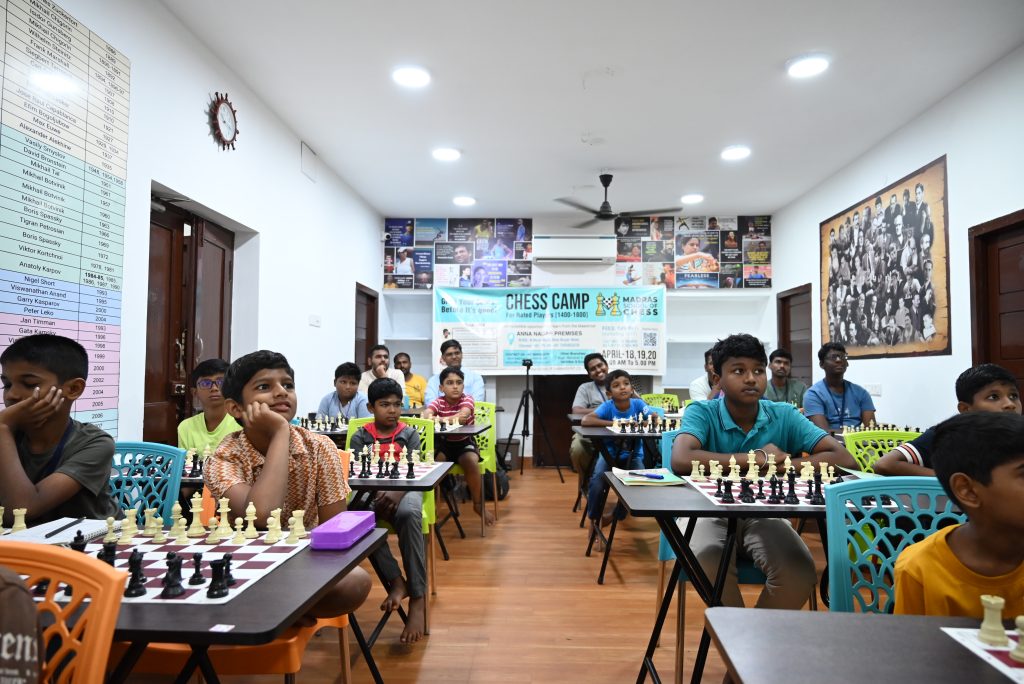
At Madras School of Chess, we believe that learning chess should help students grow not just as players, but as thinkers and decision-makers in life.
Chess as a Thinking Skill, Not Just a Game
Every chess position asks a question:
What is the best decision right now?
Students must analyze, evaluate, predict consequences, and choose wisely — skills that mirror real-life decision-making. Through guided training, students learn how to:
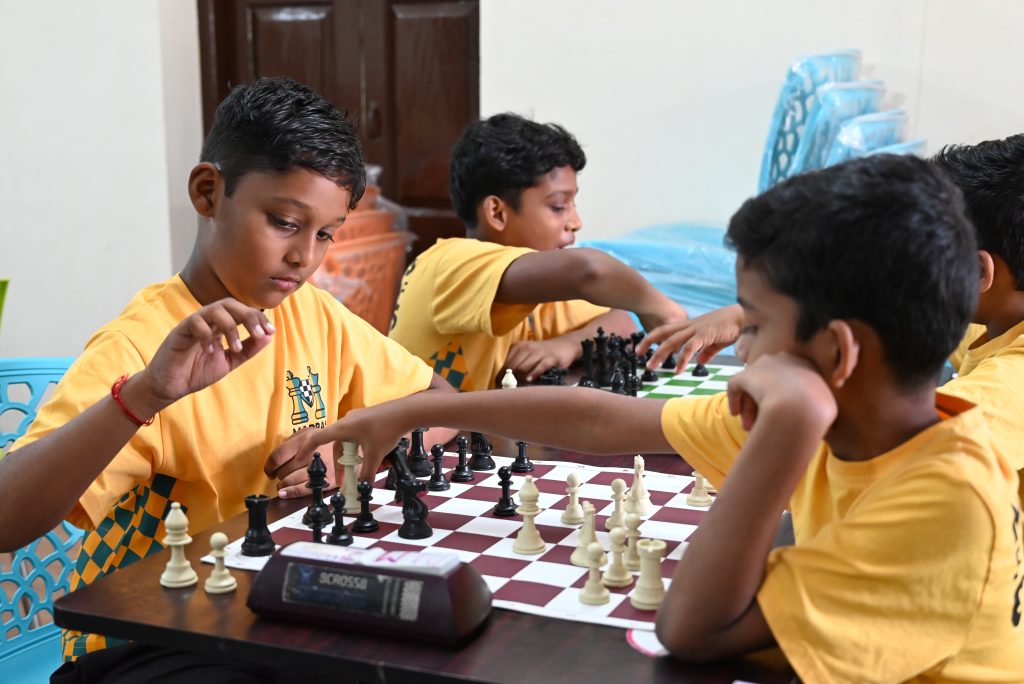
- Break complex problems into simple ideas
- Evaluate multiple options before acting
- Think ahead and manage risks
- Learn from mistakes without fear
These skills naturally transfer to academics, sports, and everyday challenges.
Learning the “Why” Behind Every Move
Many players know what move to play — fewer understand why.
Our approach focuses on concept clarity. Instead of rote learning, students explore:
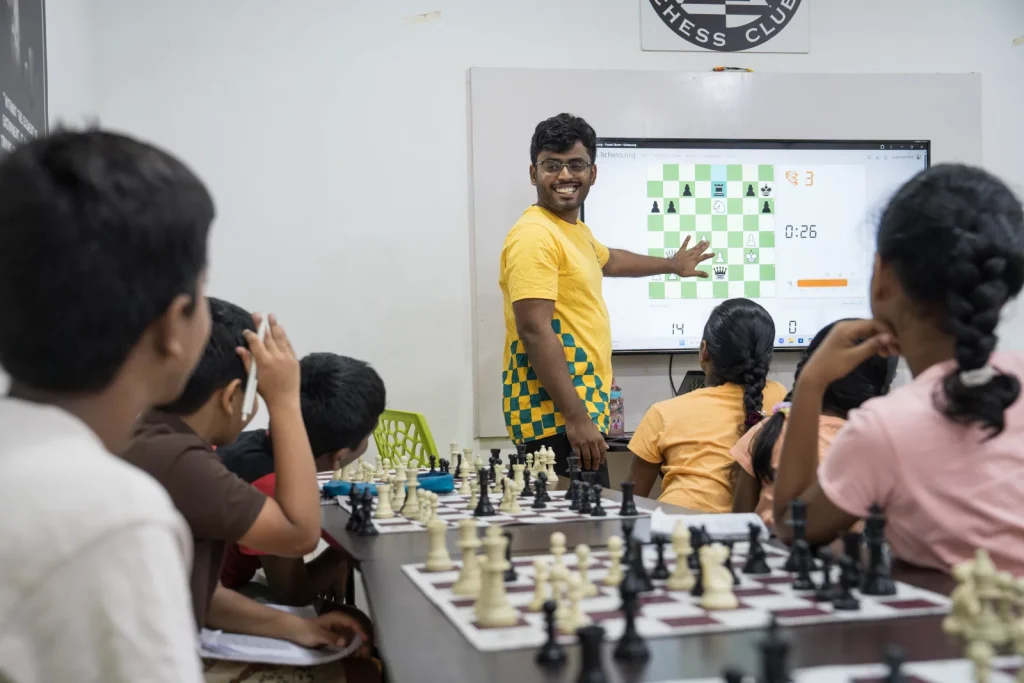
- Why certain openings work
- How middle-game plans are built
- What makes an endgame winning or drawable
By understanding ideas rather than memorizing moves, students become adaptable thinkers who can handle unfamiliar positions with confidence.
Theory Meets Practice — The Right Balance
Chess theory gives structure, but practice gives understanding.
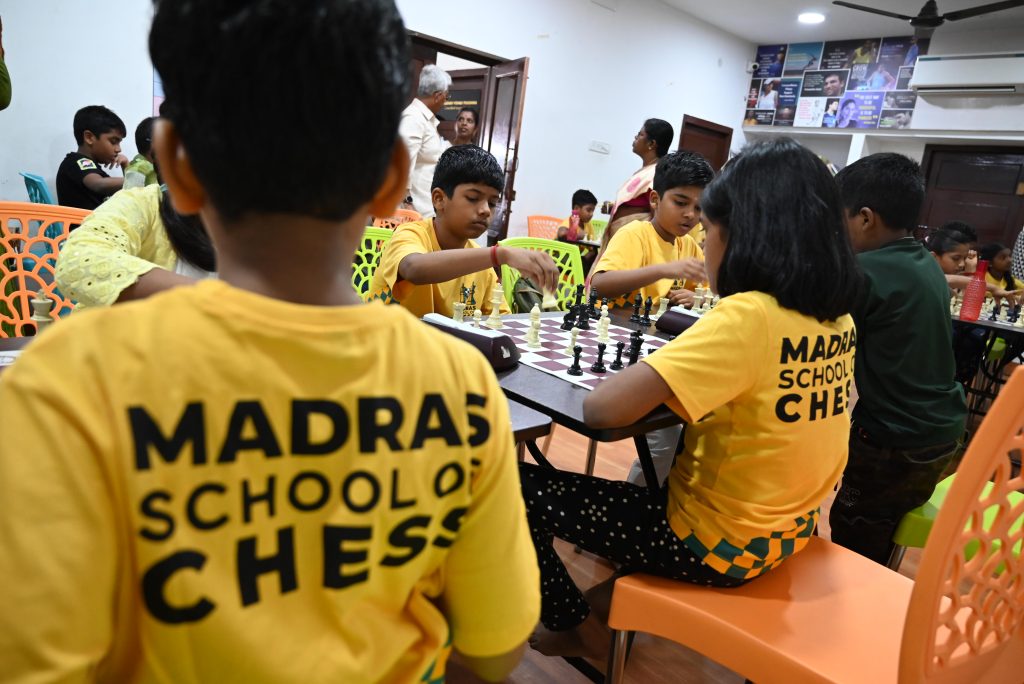
Our curriculum blends:
- Structured lessons on chess principles
- Regular practice games
- Position-based exercises
- Real-time analysis and feedback
This integration ensures that students don’t just learn concepts — they apply them, make mistakes, correct them, and grow stronger with every game.
Building Character Through the Game
Chess is one of the few games where there is no one to blame but yourself. This teaches powerful life values:
- Patience during long games
- Discipline in preparation and practice
- Resilience after losses
- Humility in victory
Students learn to handle both success and setbacks with maturity, a trait that benefits them far beyond the chessboard.
Making Learning Enjoyable and Stress-Free
Enjoyment is essential for growth.
By using puzzles, interactive sessions, challenges, and friendly competition, students stay motivated and curious. When learning is enjoyable, improvement happens naturally — without pressure or burnout.
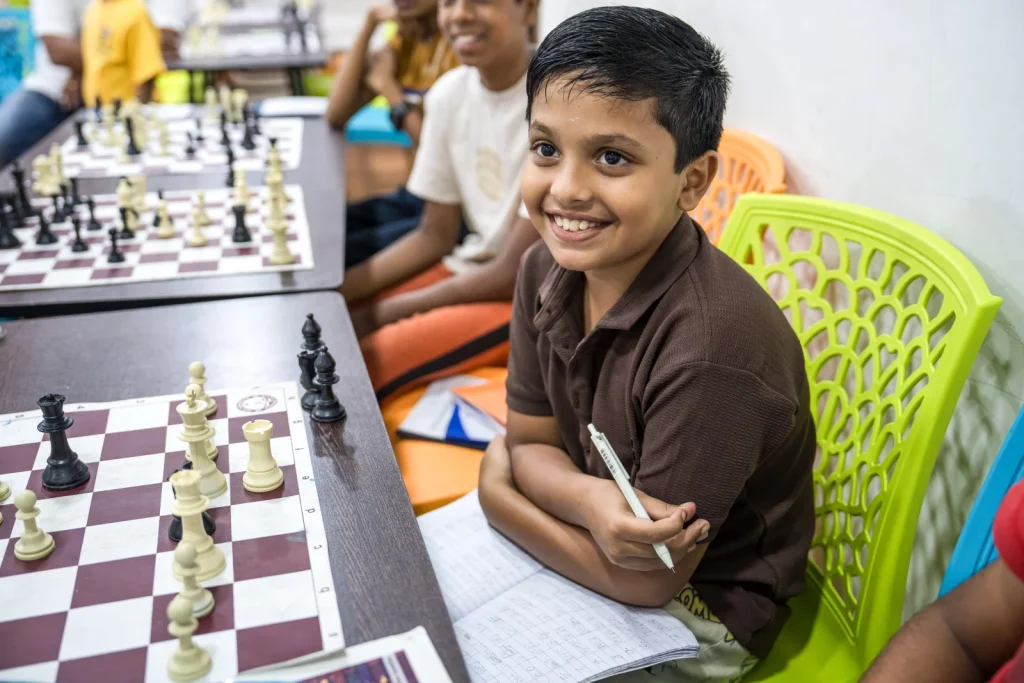
Chess becomes something students look forward to, not something they are forced to do.
Preparing Minds for the Future
In a fast-changing world, the ability to think clearly, adapt quickly, and solve problems creatively matters more than ever. Chess nurtures exactly these skills.
At Madras School of Chess, our goal is simple yet powerful:
To create confident thinkers, smart decision-makers, and well-rounded individuals — using chess as the medium.
Because when students learn how to think, success follows everywhere.
Ready to Grow with Us?
Got a project or idea? Scale your business with Webdzo Technologies! From cutting-edge website development to digital solutions tailored for success, we help turn your vision into reality.
📞 Call: +91 99522 89956
🌐 Visit: www.webdzo.com
Let’s build something amazing together!
India Shines at the Asian Youth Rapid Chess Championship 2025 — A Proud Moment for Madras School of Chess
Dec 10th, 2025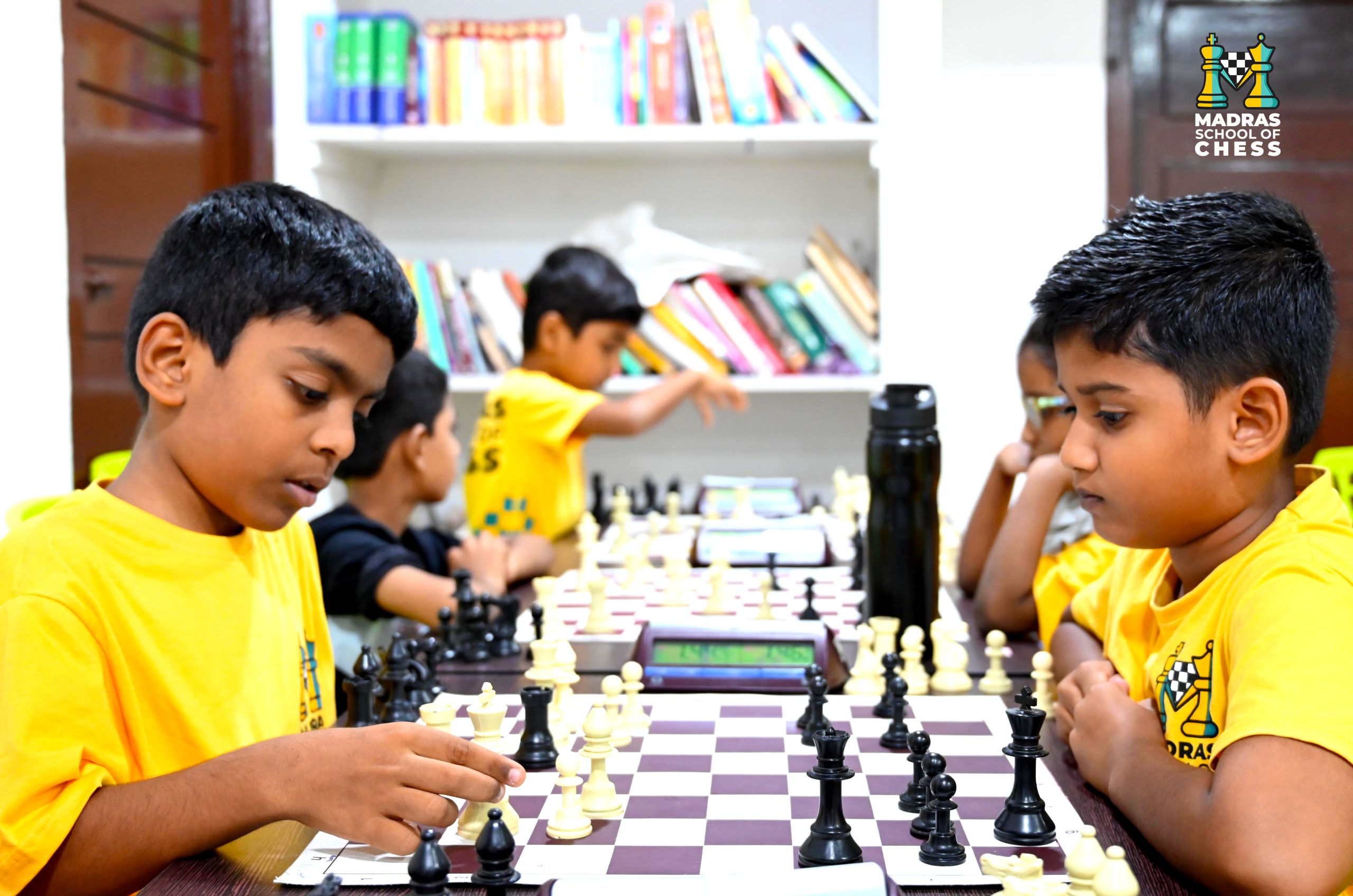
India’s Rising Stars Dominate Asia
The Asian Youth Rapid Chess Championship 2025 was nothing short of spectacular for India. Bringing together the brightest young minds from across the continent, the event tested not only speed and accuracy but also maturity, resilience, and deep understanding of the game.
In this fiercely competitive rapid format (15 minutes + 5-second increment), our Indian contingent displayed clarity of thought far beyond their age, proving once again why India continues to rise as a global chess powerhouse.
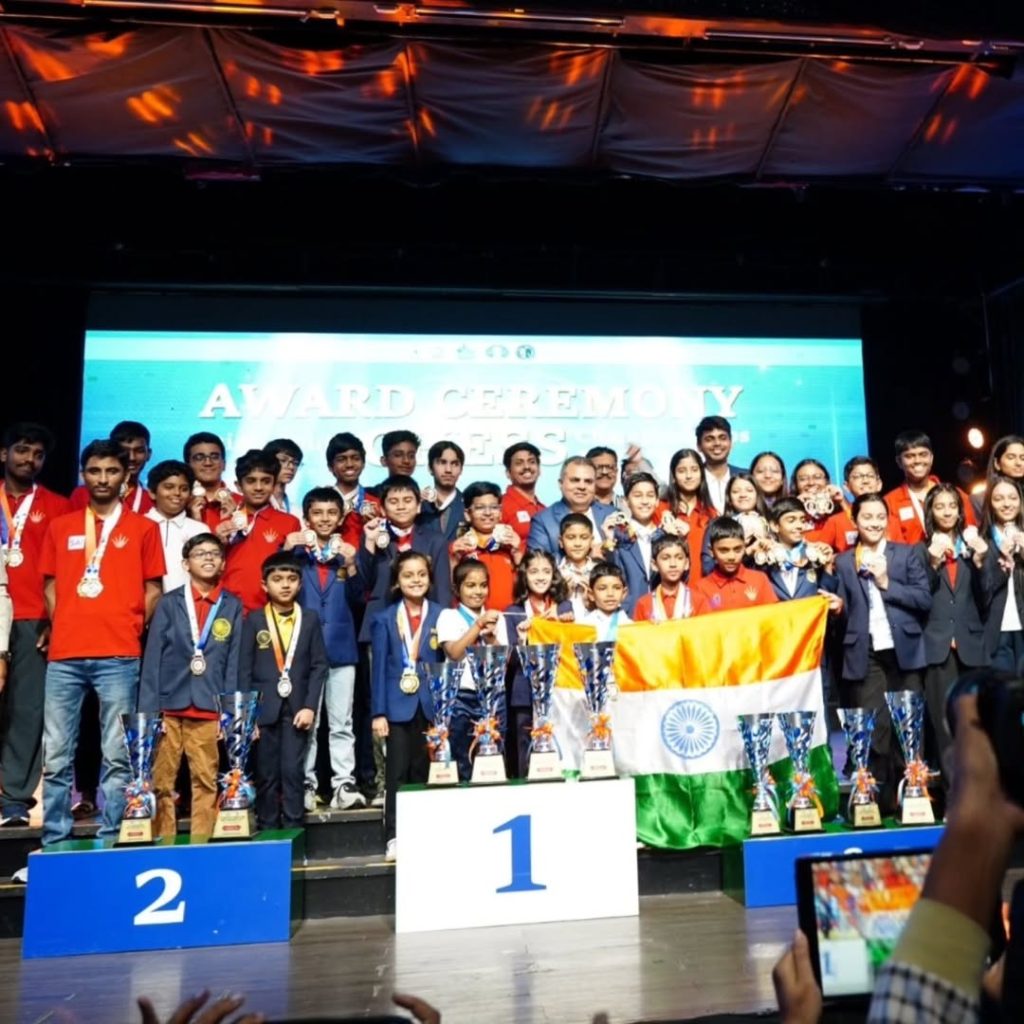
But this year’s championship held a special significance for us at Madras School of Chess—our very own Co-Founder, Akash Ganesan, played a key role at the event, inspiring young talents on and off the board with his presence, guidance, and leadership.
A Landmark Performance for India
India’s young warriors delivered a phenomenal medal haul that celebrated both individual brilliance and collective strength.

🥇 Individual Medal Winners – 9 Medals Total
3 Gold
- WCM Divi Bijesh – U10 Girls
- WFM Nivedita – U14 Girls
- FM Prishita Gupta – U16 Girls
1 Silver
- WCM Pratitee Bordoloi – U12 Girls
5 Bronze
- Tamizh Amudhan S – U8 Boys
- CM Madhvendra Pratap Sharma – U12 Boys
- FM Rosh Jain – U14 Boys
- WFM Saranya Devi Narahari – U14 Girls
- IM Vaz Ethan – U16 Boys
Each of these performances reflects years of disciplined training, countless hours of practice, and the fearless spirit of India’s youth.
🏆 Team Medal Triumph
India’s performance in the team events was equally inspiring:
🥇 3 Team Gold
U8 Girls, U12 Boys, U14 Girls
🥈 4 Team Silver
U8 Boys, U12 Girls, U16 Boys, U16 Girls
🥉 3 Team Bronze
U10 Girls, U14 Boys, U18 Boys
With 10 team medals combined, India showcased not only individual excellence but also team unity, depth of talent, and strong coaching support across all age groups.
Spotlight on Madras School of Chess Co-Founder — Akash Ganesan
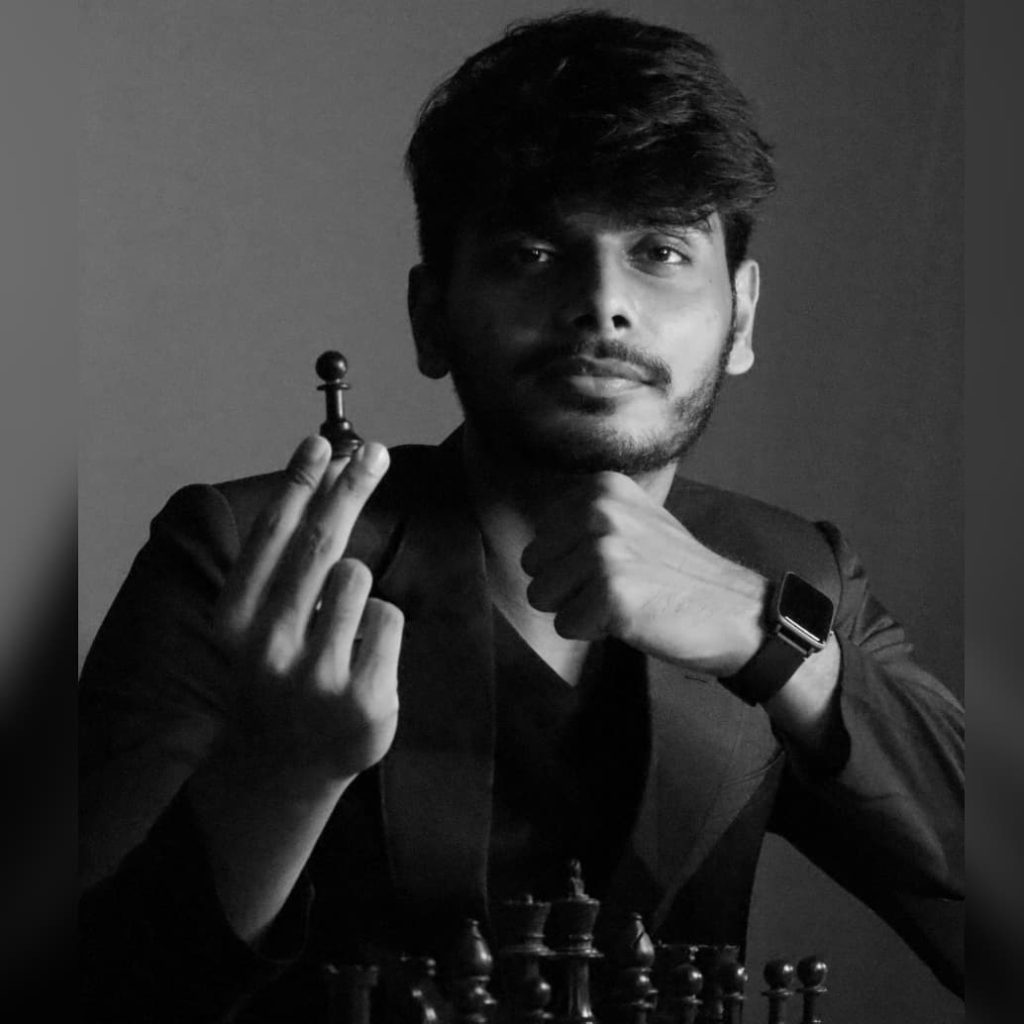
Among the proud figures at the championship was Akash Ganesan, Co-Founder of Madras School of Chess, whose presence added immense value to the Indian camp.
Known for his sharp analytical ability, calm mentorship style, and deep insight into youth chess development, Akash brought tremendous support and inspiration to the young players. His involvement at the championship reflects:
✔ His dedication to India’s chess ecosystem
Akash continues to be a key contributor to the growth of budding players, helping them navigate high-pressure international events with strategic clarity.
✔ His passion for empowering young talent
Whether it’s in the classroom at Madras School of Chess or at international events, Akash stands at the heart of nurturing disciplined, fearless thinkers.
✔ His belief in India’s future champions
He has always emphasized that India’s next grandmasters are already training among us today—and this championship proved him right once again.
For the students and parents of Madras School of Chess, seeing a co-founder actively participating at a prestigious continental event is both inspiring and reassuring. It reflects the academy’s philosophy: mentors lead from the front, not from the sidelines.
A New Chapter Begins – The Standard Segment Awaits
With the Rapid segment concluded, the spotlight now shifts to the Standard format, known as the most demanding and prestigious segment of the entire championship. This is where deep preparation, strong fundamentals, and inner resilience take center stage.
As India moves into this next phase, all eyes will be on the rising stars as well as the mentors guiding them—including our very own Akash Ganesan, who continues to represent the spirit and values of Madras School of Chess on an international platform.
A Proud Moment for India & Madras School of Chess
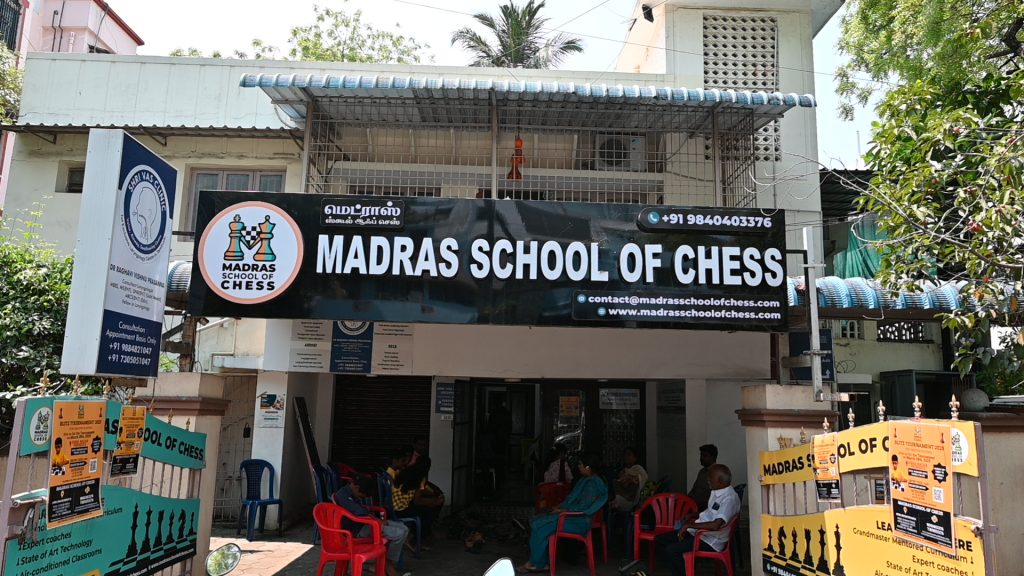
This championship wasn’t just about medals—it was about belief.
Belief in young minds.
Belief in preparation.
Belief in the future of Indian chess.
India’s groundbreaking performance is a reminder that the next generation of champions is already here—sharp, fearless, and ready to take on the world.
And for us at Madras School of Chess, having Co-Founder Akash Ganesan present at such a prestigious event stands as a powerful testament to our commitment:
We don’t just teach chess…
We help shape champions.
More stories, top games, and behind-the-scenes insights from the Standard segment are on the way. Stay tuned!
♟️ Ready to Level Up Your Game?
𝐉𝐨𝐢𝐧 𝐌𝐚𝐝𝐫𝐚𝐬 𝐒𝐜𝐡𝐨𝐨𝐥 𝐨𝐟 𝐂𝐡𝐞𝐬𝐬 𝐭𝐨 𝐝𝐞𝐟𝐞𝐚𝐭 𝐲𝐨𝐮𝐫 𝐨𝐩𝐩𝐨𝐧𝐞𝐧𝐭 𝐰𝐢𝐭𝐡 𝐛𝐫𝐢𝐥𝐥𝐢𝐚𝐧𝐜𝐞 𝐚𝐧𝐝 𝐩𝐫𝐞𝐜𝐢𝐬𝐢𝐨𝐧!
📍 Locations: T.Nagar | Anna Nagar | Mandaveli | Online
📞 Call: +91 98404 03376
🌐 Visit: www.madrasschoolofchess.com
📲 Follow us: @madrasschoolofchess
REVENGE MODE ACTIVATED! Nihal Sarin Slams Magnus Carlsen and Naka in Bullet Brawl After World Cup Stunner
Nov 19th, 2025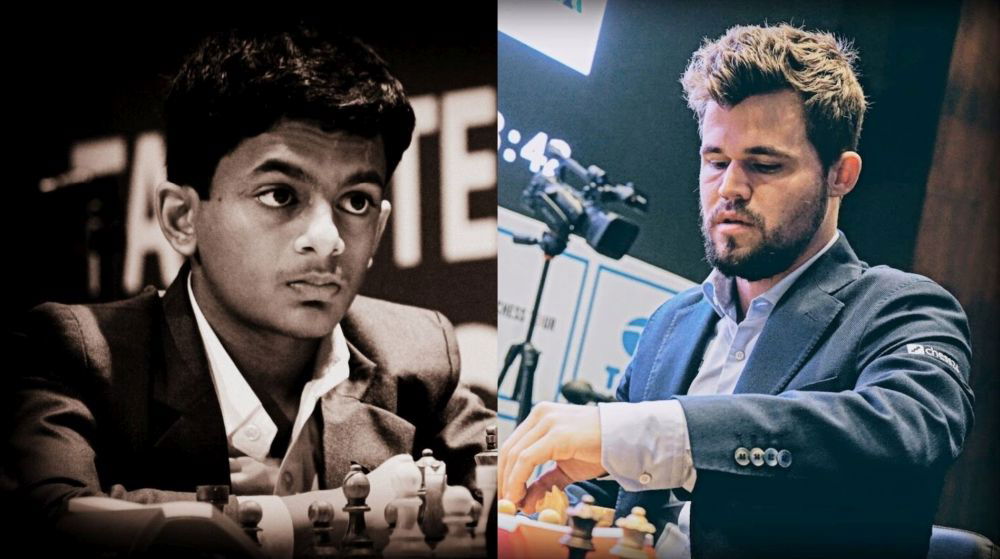
In the world of chess, comebacks are often louder than victories—and Nihal Sarin has just proven that again.
Barely days after his shocking early exit from the FIDE World Cup 2025 in Goa, the 21-year-old Indian speed-chess sensation delivered a statement performance that rocked the global chess community.
On Saturday, Nihal stormed into the Bullet Brawl Arena on Chess.com, a lightning-fast 1+0 battleground where instincts rule and hesitation is fatal. What followed next was nothing short of spectacular—he defeated Magnus Carlsen, Hikaru Nakamura and Praggnanandhaa in the same event, claiming his third Bullet Brawl title.
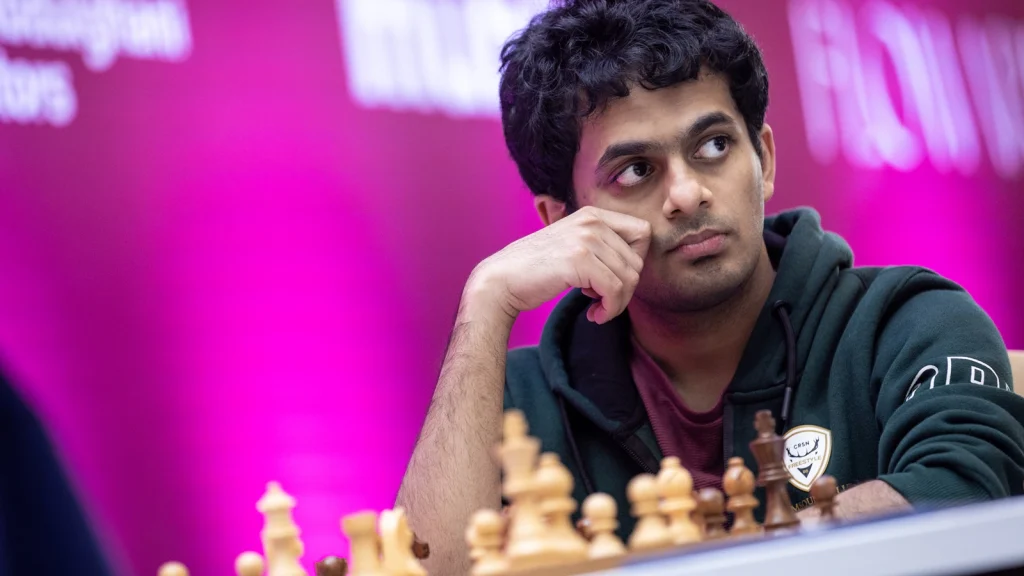
Yes. All three. In one night.
A redemption arc so perfect the chess world couldn’t stop talking about it.
A Night of Pure Speed Chess Chaos
Bullet Brawl is a brutal two-hour marathon where players fight for points every minute, turning the arena into a warzone of tactics, time scrambles and neural-level calculation.
Yet, Nihal seemed to move in a different universe altogether.
1.65 games played
2.45 wins
3.10 draws
4.10 losses
5.Total: 151 points
He finished ahead of Hikaru Nakamura and Andrew Tang, both legends of bullet chess. For context, Nakamura owns 48 all-time Bullet Brawl wins. And yet, on this night… Nihal led the pack.
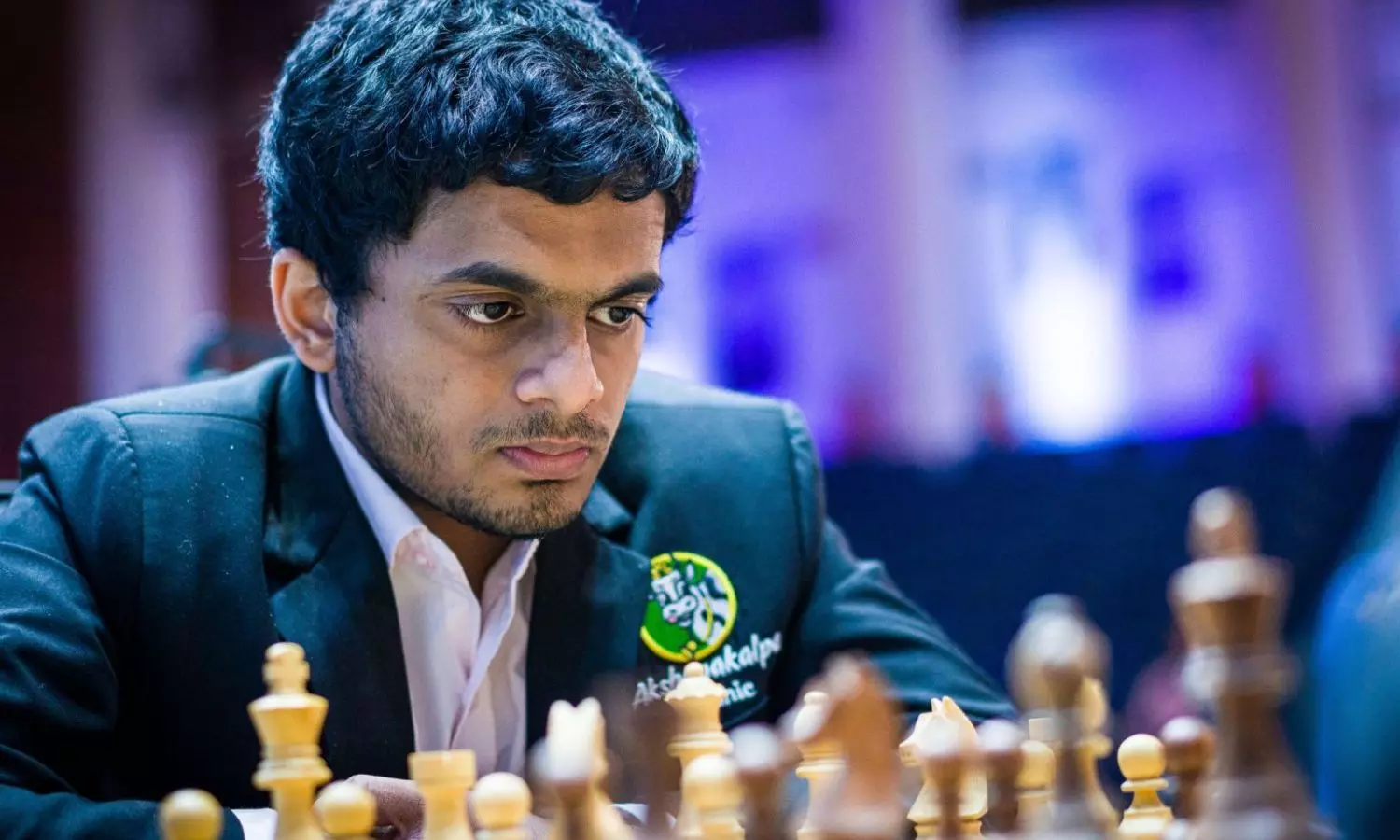
Often described as a “speed chess demon,” Nihal reminded the chess world why online formats fear his name.
What Makes This Victory Special?
Because this win came right after a disappointing World Cup performance—his second-round loss to Greek GM Stamatis Kourkoulos-Arditis had left fans shocked.
But champions don’t pause. They rise.
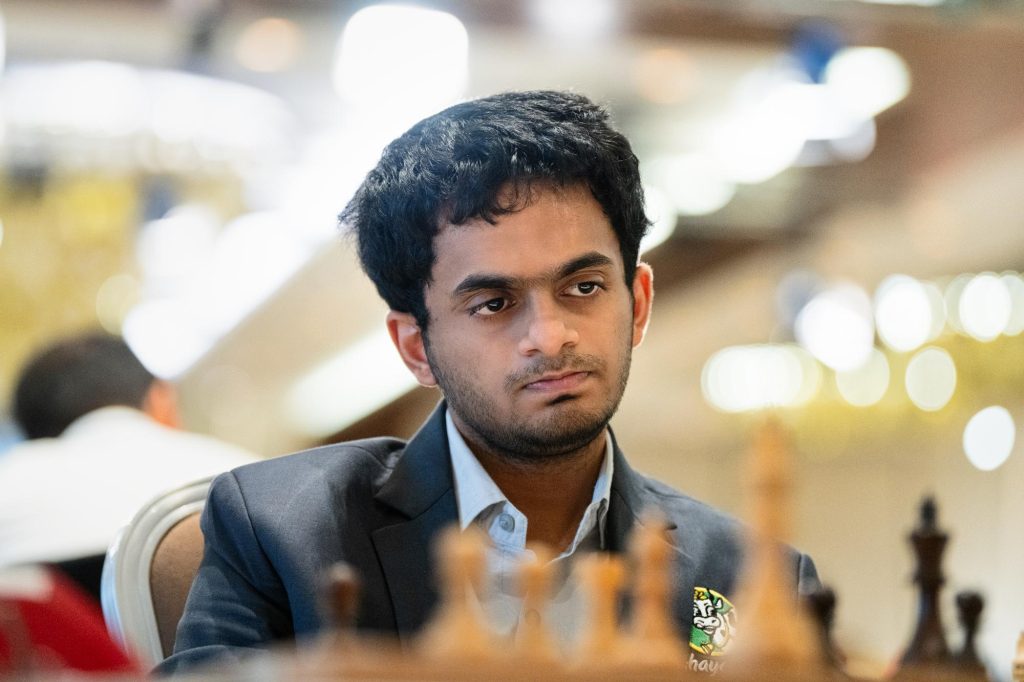
Nihal didn’t retreat.
He recalibrated.
And then he unleashed a performance that felt like both revenge and rebirth.
His dominance across formats—especially blitz and bullet—continues to inspire young players who see online arenas as the new proving grounds of chess mastery.
The Vishnu Prasanna Connection: A Legacy of Excellence
Behind every great player, there are great mentors—and one of the key figures in Nihal Sarin’s formative chess journey is GM Vishnu Prasanna, the renowned coach who helped shape Nihal’s early growth into an elite player.
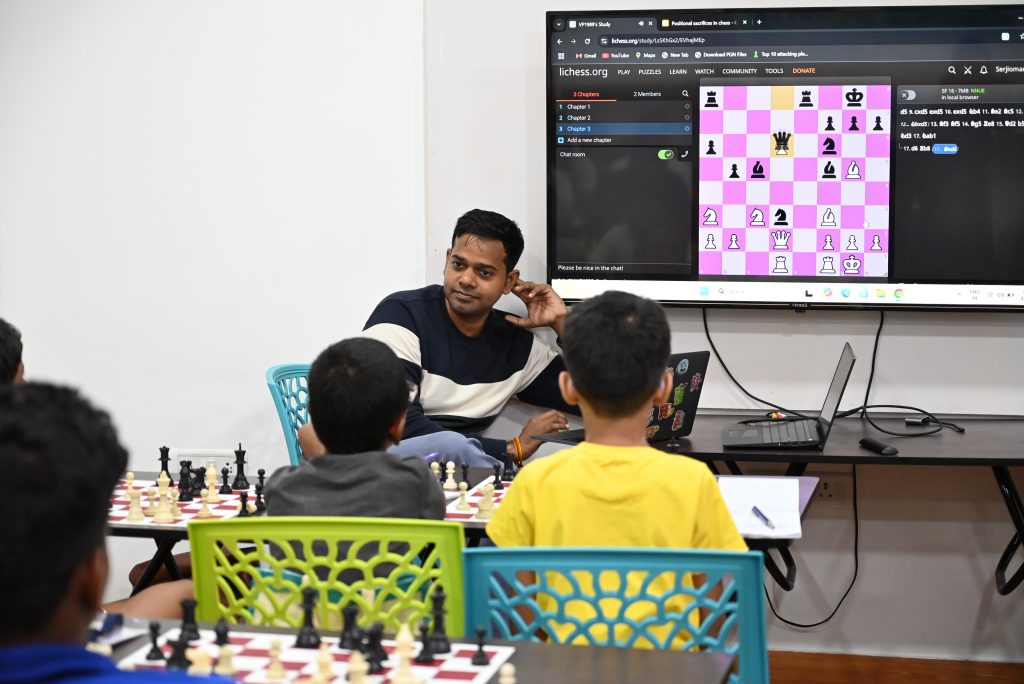
Today, Vishnu Prasanna stands as the Co-Founder of the Madras School of Chess, one of India’s fastest-growing chess academies known for its deep training culture, strong coaching team, and grandmaster-level guidance.
His role in Nihal’s evolution is well-acknowledged in the Indian chess community
1.Building Nihal’s early positional strength
2.Instilling disciplined calculation methods
3.Sharpening his tactical alertness
4.Strengthening emotional balance during competitive pressure
Nihal’s achievements—including this latest Bullet Brawl triumph—continue to reflect the roots established through years of high-quality coaching.
For parents and students across India, this connection signals a clear message:
The Madras School of Chess isn’t just another academy. It is built by the same minds that trained India’s brightest stars.
Why This Win Matters for Indian Chess
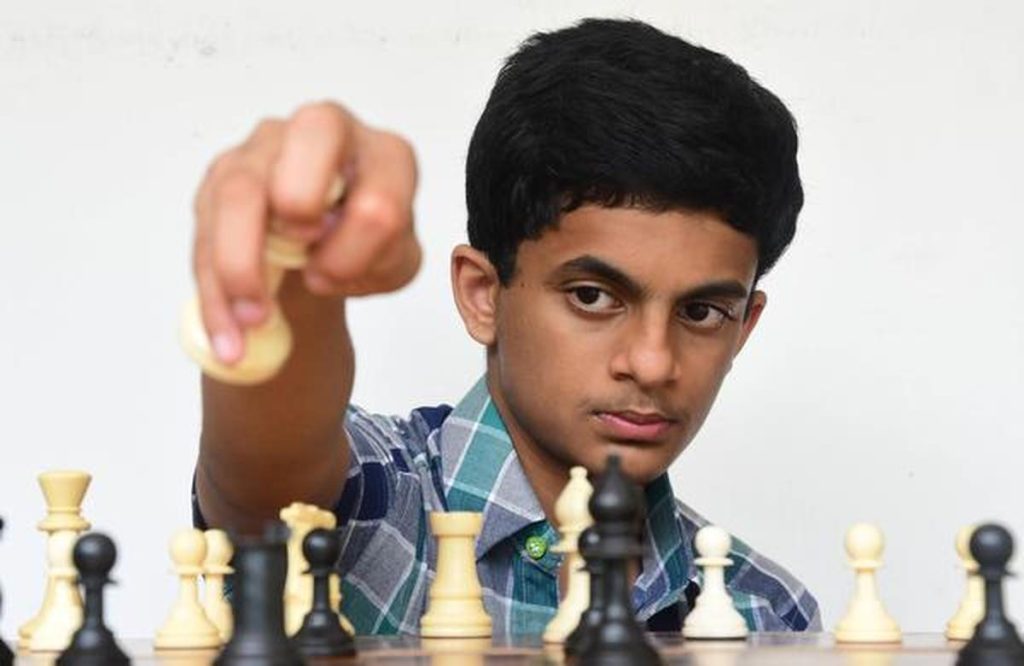
India is witnessing a chess boom—Gukesh’s World Championship title, rising young prodigies, stronger domestic tournaments, and global headlines.
Nihal’s latest win adds another spark to this movement.
His performance shows:
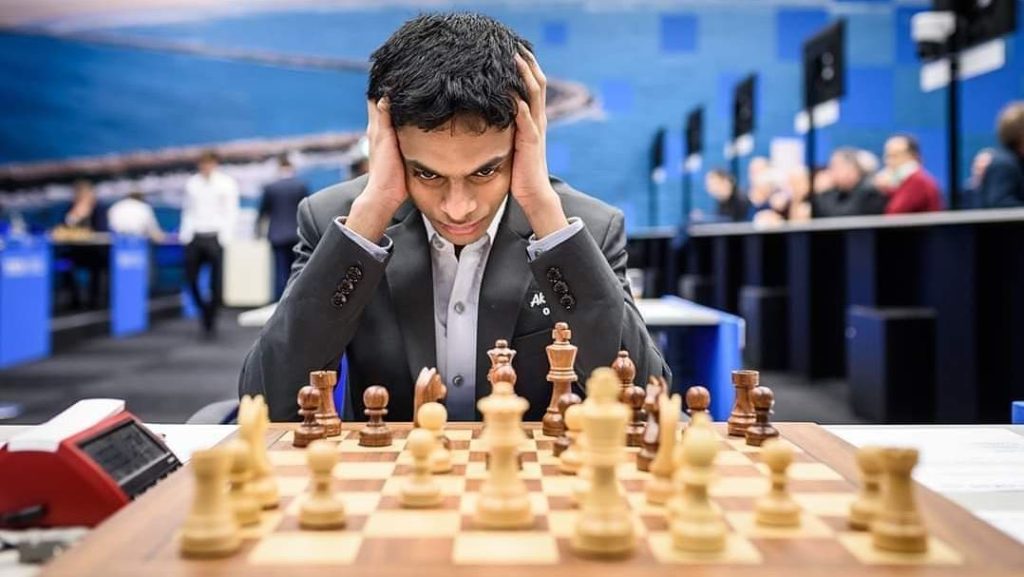
India’s young chess generation is now strong enough to challenge legends like Magnus Carlsen and Hikaru Nakamura. They are especially dominating online chess formats, proving that India is becoming a powerful force in fast-paced games. These players also show incredible mental strength, bouncing back from losses and staying focused under pressure. Altogether, India is producing world-class talent across blitz, rapid, bullet, and classical chess — making the country one of the most complete and promising chess nations in the world.
This victory isn’t just individual glory.
It’s a message to the chess world:
India’s next wave is here, and stronger than ever.
A New Chapter Begins
Nihal’s Bullet Brawl win is more than a tournament result.
It’s a reminder that setbacks are temporary, but champions are permanent.
As he continues to rise—and as academies like the Madras School of Chess push forward with elite-level training for the next generation—the future of Indian chess looks unstoppable.
The board is set.
The players are ready.
And India is writing a new era in global chess.
♟️ Ready to Level Up Your Game?
𝐉𝐨𝐢𝐧 𝐌𝐚𝐝𝐫𝐚𝐬 𝐒𝐜𝐡𝐨𝐨𝐥 𝐨𝐟 𝐂𝐡𝐞𝐬𝐬 𝐭𝐨 𝐝𝐞𝐟𝐞𝐚𝐭 𝐲𝐨𝐮𝐫 𝐨𝐩𝐩𝐨𝐧𝐞𝐧𝐭 𝐰𝐢𝐭𝐡 𝐛𝐫𝐢𝐥𝐥𝐢𝐚𝐧𝐜𝐞 𝐚𝐧𝐝 𝐩𝐫𝐞𝐜𝐢𝐬𝐢𝐨𝐧!
📍 Locations: T.Nagar | Anna Nagar | Mandaveli | Online
📞 Call: +91 98404 03376
🌐 Visit: www.madrasschoolofchess.com
📲 Follow us: @madrasschoolofchess
The Dreaming Board — Where Young Minds Turn into Grandmasters
Nov 07th, 2025
In a world where children chase fleeting trends, one timeless art continues to shape minds and inspire dreams — Chess.
For hundreds of young players in Chennai, that dream begins at Madras School of Chess (MSC) — the city’s leading academy founded by Grandmaster Vishnu Prasanna, the former coach of World Chess Champion D. Gukesh.
At MSC, the chessboard isn’t just 64 squares — it’s a canvas of creativity, courage, and critical thinking.
From T. Nagar to Anna Nagar, Mandaveli, and Online, our students learn to see the world the way masters do: one move ahead.
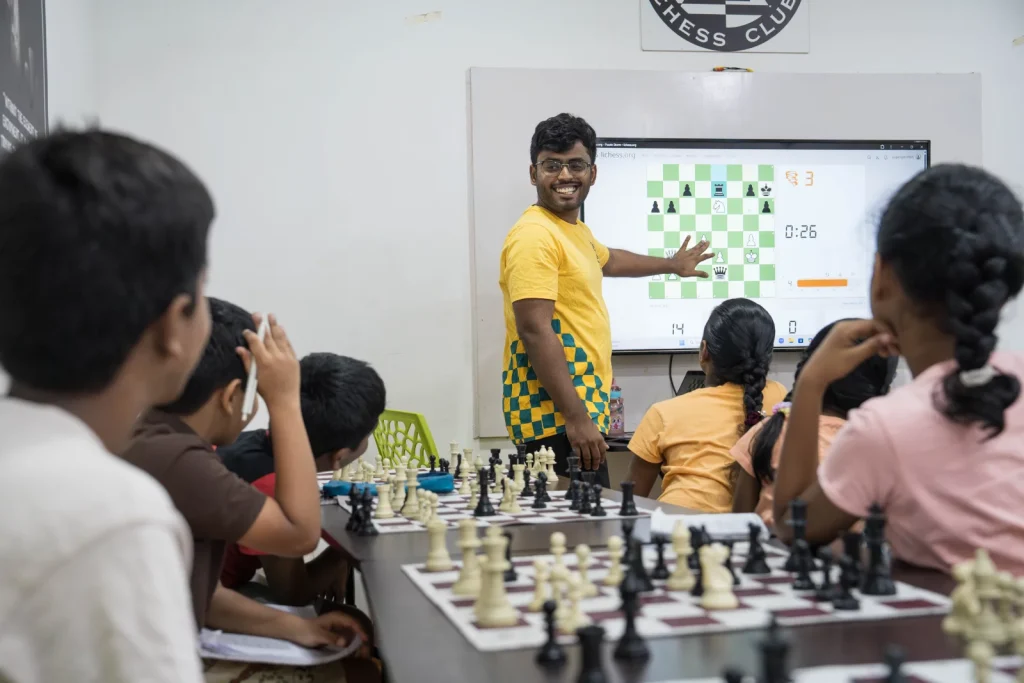
“When kids start to think before they move, they begin to see life differently,” says GM Vishnu Prasanna.
Our philosophy is simple: nurture the mind, not just the moves.
Every child is guided personally by certified trainers and FIDE-rated coaches who help them discover their unique playing style — turning curiosity into confidence and practice into progress.
Why Chess Feels Like a Dream to Kids
For children, chess feels magical.
A knight’s leap becomes a story, a queen’s defense becomes a promise.
At Madras School of Chess, that magic is transformed into mastery through a structured, playful learning environment:
- 🎯 Age-based batches for beginners, intermediate, and advanced levels
- 🧠 Personal mentorship with performance tracking and game analysis
- ♟️ Regular tournaments & internal leagues that build competitive focus
- 💡 Tactical puzzle labs and masterclass game breakdowns to deepen intuition
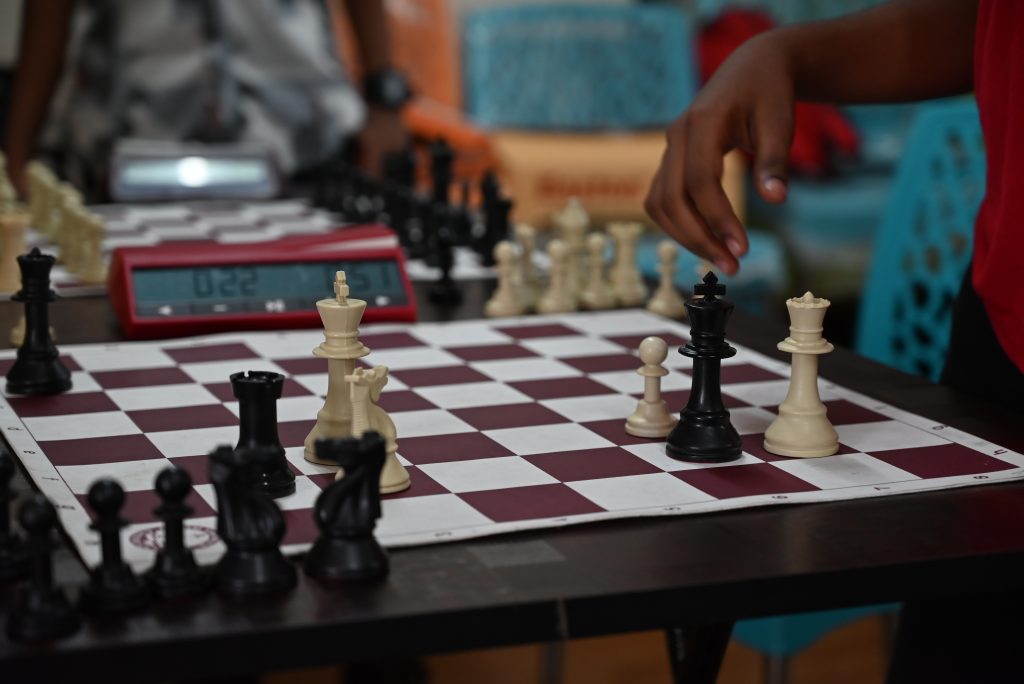
Every session is designed to spark imagination while sharpening discipline — that’s why parents across Chennai trust MSC as the place where focus meets fun.
🌟 The Emotion Behind the Game
Chess teaches more than strategy. It teaches patience, composure, and creative thinking.
Our students often surprise parents with their newfound calm, confidence, and ability to plan — not just on the board, but in academics and daily life too.
Champions in the Making: The MSC Success Story
At MSC, success isn’t measured only in trophies — it’s seen in the steady rise of our students’ performance across every batch and category.
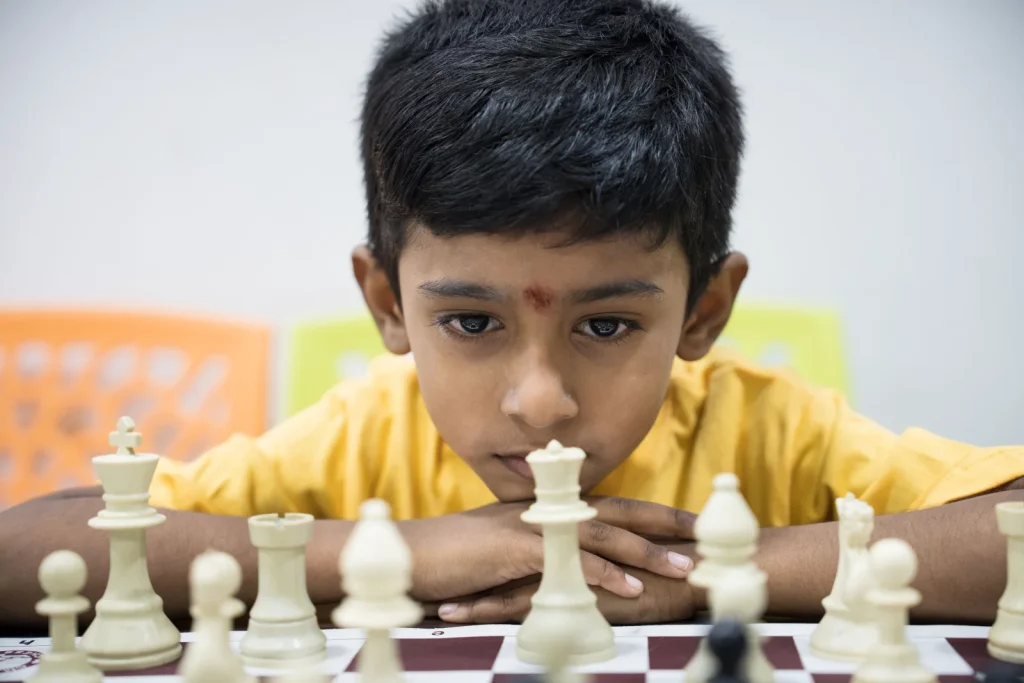
🏅 Growing Every Day, Move by Move
Each month, our academy’s achievement board grows longer.
From district-level wins to state-level podium finishes, MSC students have been consistently outperforming in tournaments across Tamil Nadu and beyond.
Our juniors dominate under-8 and under-10 categories, while advanced batch players now compete at national-ranking events with remarkable success rates.
Behind every medal is a story of mentorship, discipline, and passion — a reflection of the MSC ecosystem that blends analytical training with emotional encouragement.
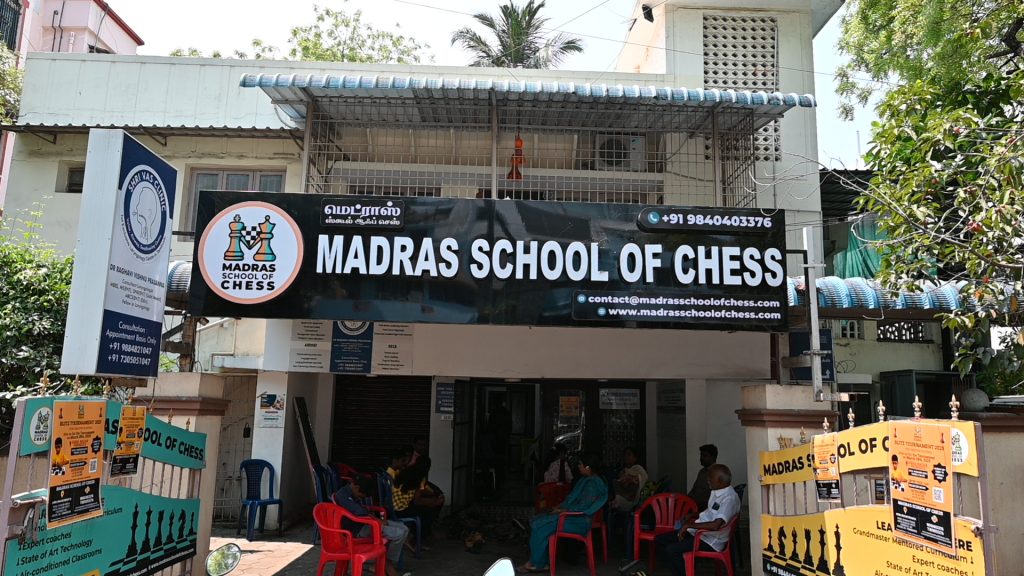
“We’ve built a culture where improvement matters more than instant victory — and that’s what keeps our winning curve rising,”
— GM Vishnu Prasanna, Founder.
✨ Inspired by Legends, Guided by Masters
Following the legacy of Chennai’s very own Viswanathan Anand, our founder and coaches instill the same spirit of perseverance and curiosity that defines India’s new-age grandmasters like Gukesh D.
Through our hybrid training model — offline and online — we now reach students across India and overseas, nurturing the next generation of global thinkers.
Your Child’s Chess Story Starts Here
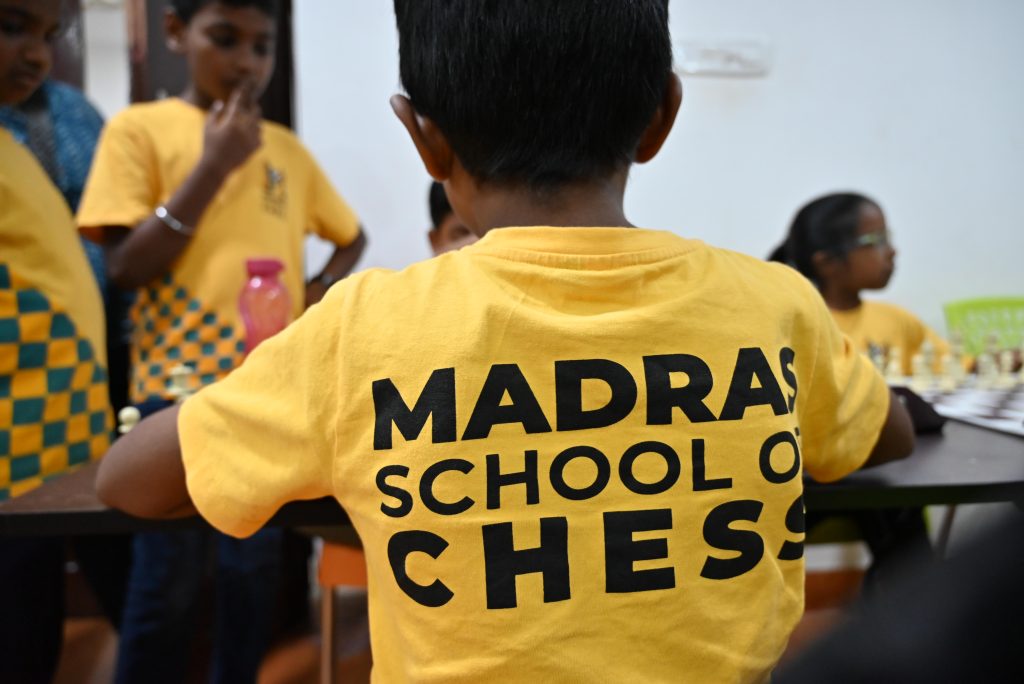
Join Chennai’s No. 1 Chess Academy — Madras School of Chess, where dreams become discipline and every move creates a story worth telling.
📍 Locations: T. Nagar | Anna Nagar | Mandaveli | Online
📞 Call: +91 98404 03376
🌐 Visit: www.madrasschoolofchess.com
Madras School of Chess — Where dreams play their first move.
𝐀 𝐍𝐞𝐰 𝐆𝐞𝐧𝐞𝐫𝐚𝐭𝐢𝐨𝐧 𝐓𝐚𝐤𝐞𝐬 𝐭𝐡𝐞 𝐁𝐨𝐚𝐫𝐝
Oct 24th, 2025
Chess is experiencing a seismic shift. While veterans still dominate top boards, a younger generation is breaking through with astonishing force. Consider the rising star Faustino Oro — only 11 years old — who recently scored an undefeated 7½/9 and earned his first GM norm, setting records for the strongest performance under-12 in history.

At the same time, major events such as the FIDE Grand Swiss 2025 in Samarkand showcased emerging talents like Matthias Blübaum and others who secured qualification spots for the highly-coveted Candidates Tournament.
𝐖𝐡𝐚𝐭’𝐬 𝐝𝐫𝐢𝐯𝐢𝐧𝐠 𝐭𝐡𝐢𝐬 𝐠𝐞𝐧𝐞𝐫𝐚𝐭𝐢𝐨𝐧𝐚𝐥 𝐬𝐮𝐫𝐠𝐞?
A mix of enhanced training tools (including top-tier online platforms), global exposure even at early ages, and formats that reward dynamic play and risk-taking.
For fans, this means fresh narratives and unexpected outcomes. For federations, it signals the importance of nurturing juniors and giving them pathways. For you, the reader, it means that the chess world you thought you knew is being rewritten right now.
𝐑𝐚𝐩𝐢𝐝 & 𝐁𝐮𝐥𝐥𝐞𝐭 𝐅𝐨𝐫𝐦𝐚𝐭𝐬: 𝐂𝐡𝐚𝐧𝐠𝐢𝐧𝐠 𝐇𝐨𝐰 𝐂𝐡𝐞𝐬𝐬 𝐈𝐬 𝐏𝐥𝐚𝐲𝐞𝐝

The second trend reshaping chess: speed. The classic slow-time control games still matter, but rapid, blitz and bullet formats are gaining outsized influence. The Bullet Chess Championship 2025 on saw Alireza Firouzja dominate with a blistering 19.5-5.5 final win — a display of tactical acuity, lightning reflexes and psychological dominance.
Meanwhile, the SuperUnited Croatia Rapid & Blitz 2025 event saw Magnus Carlsen clinch victory with a round to spare, even while admitting his “B-game” was active.
𝐖𝐡𝐚𝐭 𝐝𝐨𝐞𝐬 𝐭𝐡𝐢𝐬 𝐦𝐞𝐚𝐧 𝐟𝐨𝐫 𝐭𝐡𝐞 𝐠𝐚𝐦𝐞?
𝐒𝐡𝐨𝐫𝐭𝐞𝐫 𝐚𝐭𝐭𝐞𝐧𝐭𝐢𝐨𝐧 𝐬𝐩𝐚𝐧𝐬: With online streams and social media clips, players who can shine in fast time-controls are gaining fans and sponsors.
𝐃𝐢𝐟𝐟𝐞𝐫𝐞𝐧𝐭 𝐩𝐫𝐞𝐩𝐚𝐫𝐚𝐭𝐢𝐨𝐧: Depth of opening preparation is still vital, but so is adaptability, intuition and precision under extreme time pressure.
𝐇𝐲𝐛𝐫𝐢𝐝 𝐬𝐤𝐢𝐥𝐥𝐬𝐞𝐭: Elite players now train for both classical stamina and rapid reflexes. The line between “rapid specialist” and “classical champion” is blurring.
For anyone playing or following chess, this means: adapting to formats, studying faster tactics, and valuing the “bullet mindset” alongside the “𝐠𝐫𝐚𝐧𝐝𝐦𝐚𝐬𝐭𝐞𝐫 𝐝𝐞𝐞𝐩-𝐚𝐧𝐚𝐥𝐲𝐬𝐢𝐬 𝐦𝐢𝐧𝐝𝐬𝐞𝐭”. The modern champion is versatile.
𝐖𝐡𝐚𝐭 𝐈𝐭 𝐀𝐥𝐥 𝐌𝐞𝐚𝐧𝐬 & 𝐇𝐨𝐰 𝐘𝐨𝐮 𝐂𝐚𝐧 𝐏𝐥𝐮𝐠 𝐈𝐧?

𝐘𝐨𝐮𝐭𝐡 𝐚𝐜𝐜𝐞𝐥𝐞𝐫𝐚𝐭𝐢𝐨𝐧: If an 11-year-old can set records, federations, coaches and clubs must start talent spotting even earlier and offering strong support, both online and offline.
𝐅𝐨𝐫𝐦𝐚𝐭 𝐝𝐢𝐯𝐞𝐫𝐬𝐢𝐟𝐢𝐜𝐚𝐭𝐢𝐨𝐧: Events are no longer just classical tournaments; rapid, blitz, mixed formats (and even new variants) will play ever-larger roles. Players who ignore them risk being left behind.
𝐆𝐥𝐨𝐛𝐚𝐥 𝐚𝐜𝐜𝐞𝐬𝐬 & 𝐢𝐧𝐜𝐥𝐮𝐬𝐢𝐨𝐧:Chess is more accessible than ever — even in remote regions. The generational and format shifts lower traditional barriers.
𝐂𝐨𝐦𝐦𝐞𝐫𝐜𝐢𝐚𝐥 & 𝐬𝐩𝐞𝐜𝐭𝐚𝐭𝐨𝐫 𝐢𝐦𝐩𝐥𝐢𝐜𝐚𝐭𝐢𝐨𝐧𝐬: Fast games = more excitement for broadcast, streaming and sponsors. The game is more viewer-friendly, more dynamic.
𝐇𝐨𝐰 𝐲𝐨𝐮 (𝐚𝐬 𝐚 𝐩𝐥𝐚𝐲𝐞𝐫, 𝐟𝐚𝐧 𝐨𝐫 𝐜𝐥𝐮𝐛 𝐨𝐫𝐠𝐚𝐧𝐢𝐬𝐞𝐫) 𝐜𝐚𝐧 𝐭𝐚𝐤𝐞 𝐚𝐝𝐯𝐚𝐧𝐭𝐚𝐠𝐞
For players: Incorporate rapid and blitz training into your routine. Work on tactical puzzles under time constraints. Experiment with bullet and speed formats online to sharpen instinct.
For coaches and clubs: Build junior programmes that emphasise flexible formats, online coaching tools, and tournament experience across speed variants.
For fans and content creators: Focus on stories of youth breakout stars, speed format drama, and explain the format differences to new audiences.
𝐅𝐨𝐫 𝐨𝐫𝐠𝐚𝐧𝐢𝐬𝐞𝐫𝐬:Consider mixed-format events (classical + rapid + blitz) to appeal to broader audiences; embrace younger players and recognise that pace matters.
𝐅𝐢𝐧𝐚𝐥 𝐭𝐡𝐨𝐮𝐠𝐡𝐭
Chess of 2025 isn’t just an extension of the past — it’s a fusion of tradition and modernity. A game where youth challenge veterans, where blitz and bullet are as prestigious as classical, and where global access accelerates talent like never before. If you’re part of the chess community—whether competitor, coach, club leader or fan—you’re living in an era of transformation. Embrace it. Study broadly. Play boldly. Because the board has changed, and so must we.
♟️ Ready to Level Up Your Game?
𝐉𝐨𝐢𝐧 𝐌𝐚𝐝𝐫𝐚𝐬 𝐒𝐜𝐡𝐨𝐨𝐥 𝐨𝐟 𝐂𝐡𝐞𝐬𝐬 𝐭𝐨 𝐝𝐞𝐟𝐞𝐚𝐭 𝐲𝐨𝐮𝐫 𝐨𝐩𝐩𝐨𝐧𝐞𝐧𝐭 𝐰𝐢𝐭𝐡 𝐛𝐫𝐢𝐥𝐥𝐢𝐚𝐧𝐜𝐞 𝐚𝐧𝐝 𝐩𝐫𝐞𝐜𝐢𝐬𝐢𝐨𝐧!
📍 Locations: T.Nagar | Anna Nagar | Mandaveli | Online
📞 Call: +91 98404 03376
🌐 Visit: www.madrasschoolofchess.com
📲 Follow us: @madrasschoolofchess
𝐍𝐢𝐡𝐚𝐥 𝐒𝐚𝐫𝐢𝐧 𝐉𝐨𝐢𝐧𝐬 𝐭𝐡𝐞 𝟐𝟕𝟎𝟎 𝐂𝐥𝐮𝐛 — 𝐓𝐡𝐞 𝐑𝐢𝐬𝐞 𝐨𝐟 𝐚 𝐍𝐞𝐰 𝐈𝐧𝐝𝐢𝐚𝐧 𝐒𝐮𝐩𝐞𝐫 𝐆𝐫𝐚𝐧𝐝𝐦𝐚𝐬𝐭𝐞𝐫
Oct 08th, 2025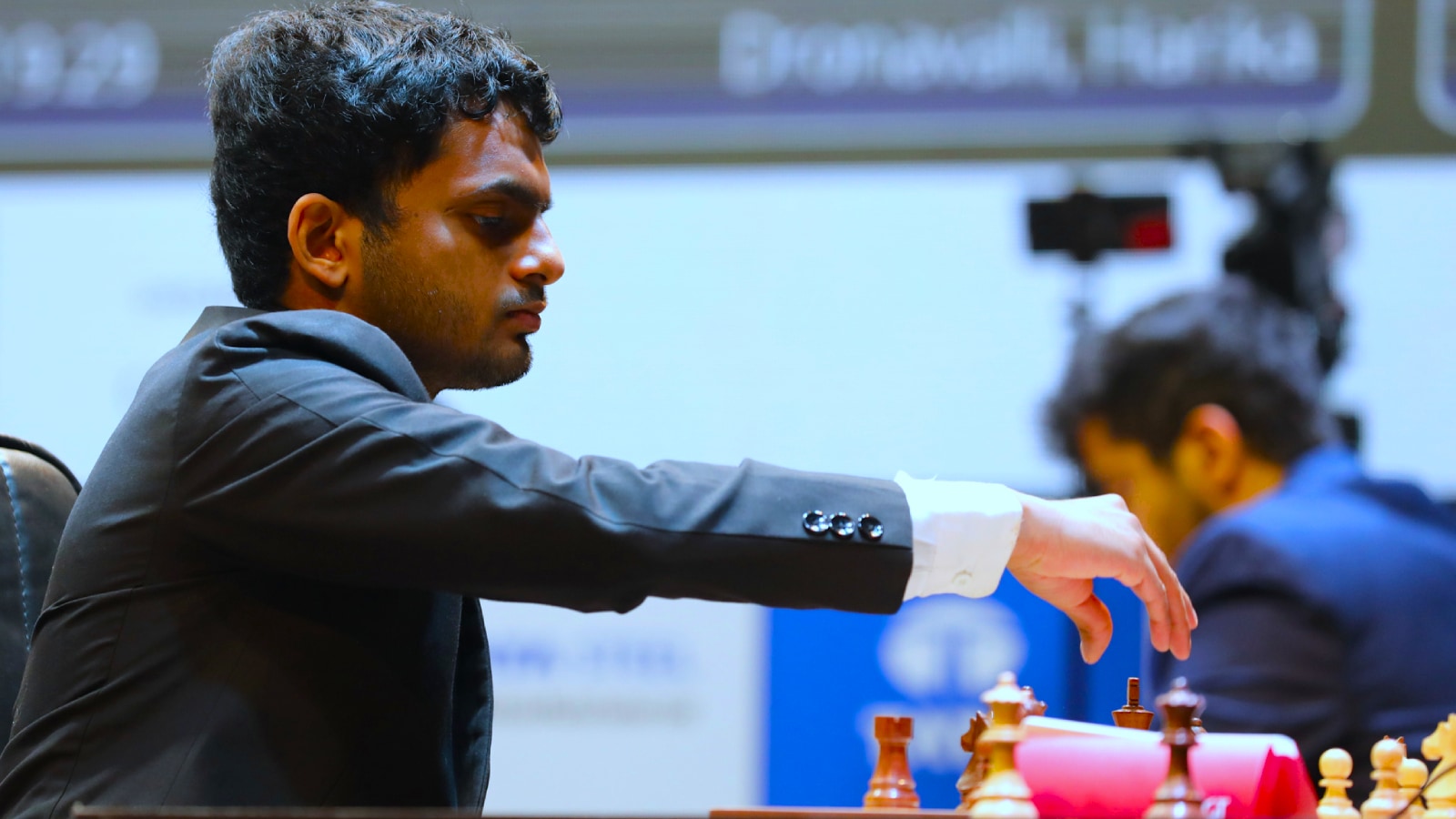
In the ever-evolving world of chess, few names embody calm brilliance quite like Grandmaster Nihal Sarin. This October, the young genius from Thrissur achieved a milestone long awaited by Indian chess fans — crossing the 2700 rating mark in the official FIDE ratings for the first time in his career.
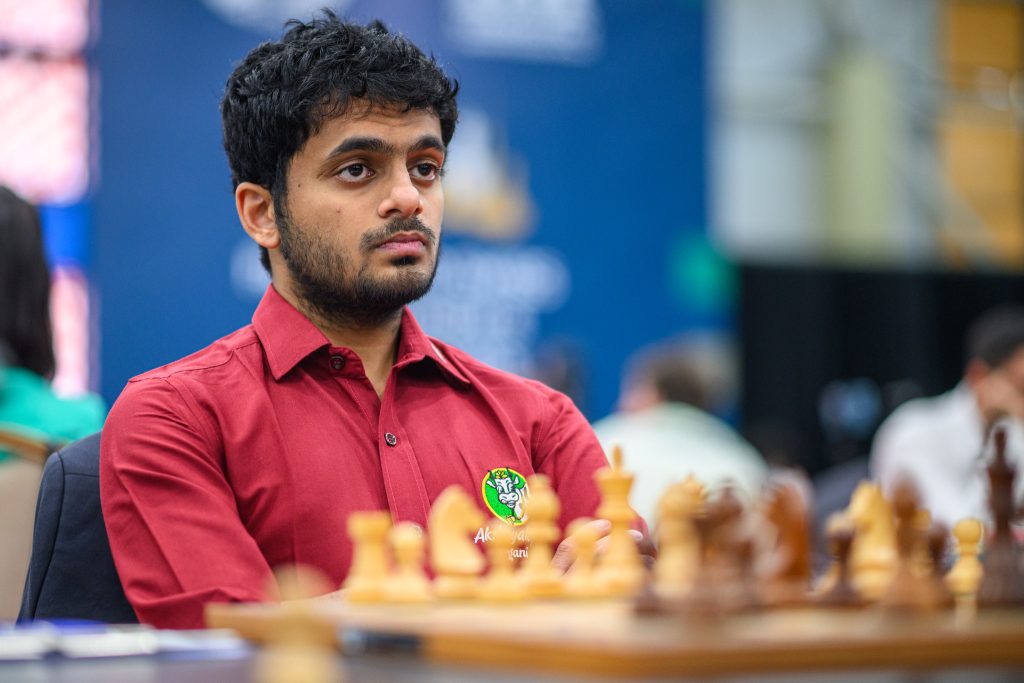
This achievement places Nihal among the elite ten Indian players who have broken into the exclusive “2700 Club.” It’s not just a number — it’s a symbol of relentless focus, unwavering consistency, and the maturity of a player who has been growing steadily under the global spotlight since childhood.
𝐅𝐫𝐨𝐦 𝐏𝐫𝐨𝐝𝐢𝐠𝐲 𝐭𝐨 𝐏𝐨𝐰𝐞𝐫𝐡𝐨𝐮𝐬𝐞
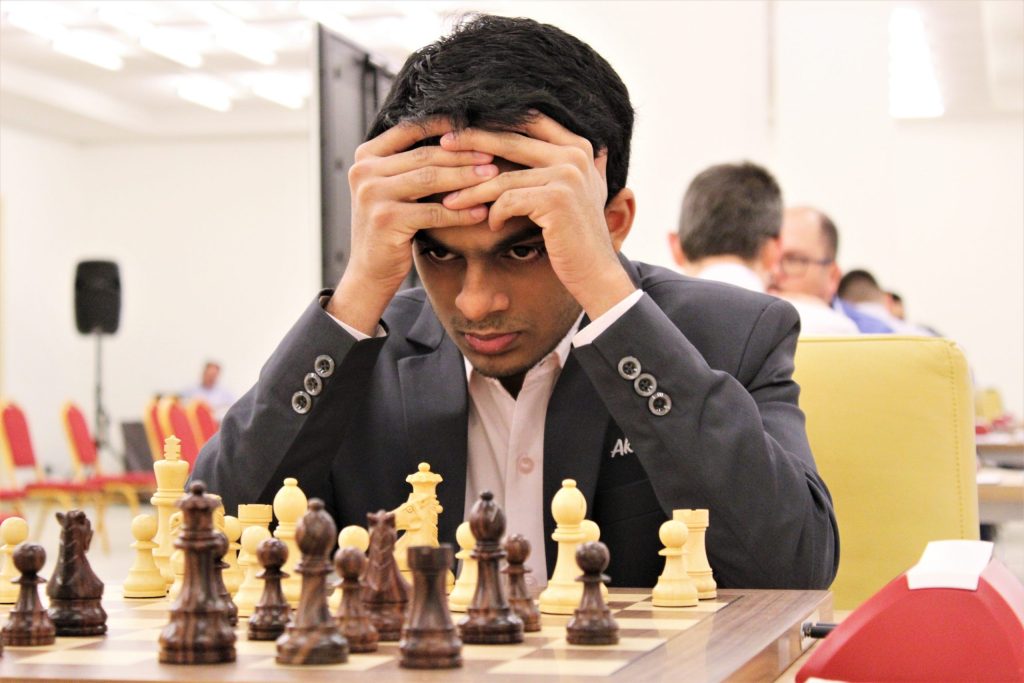
For those who have followed Nihal’s journey, this moment feels inevitable. Known worldwide for his intuitive understanding of chess and lightning-fast calculation, Nihal first captured global attention as a child prodigy who made complex positions look effortless. Over the years, he’s transitioned from a tactical wizard into a complete player, capable of battling the best minds in classical, rapid, and blitz formats alike.
The transformation didn’t happen overnight. It came from years of disciplined training, thoughtful analysis, and the right mentorship — particularly under Grandmaster Vishnu Prasanna, who also coached World Champion D. Gukesh. Together, they fine-tuned Nihal’s approach, shifting his strengths from rapid instincts to deep positional play. That evolution was evident at the FIDE Grand Swiss 2025, where Nihal’s consistent and courageous performance pushed him over the 2700 barrier.
𝐇𝐨𝐰 𝐇𝐞 𝐑𝐞𝐚𝐜𝐡𝐞𝐝 𝐭𝐡𝐞 𝐌𝐚𝐠𝐢𝐜𝐚𝐥 𝐌𝐚𝐫𝐤
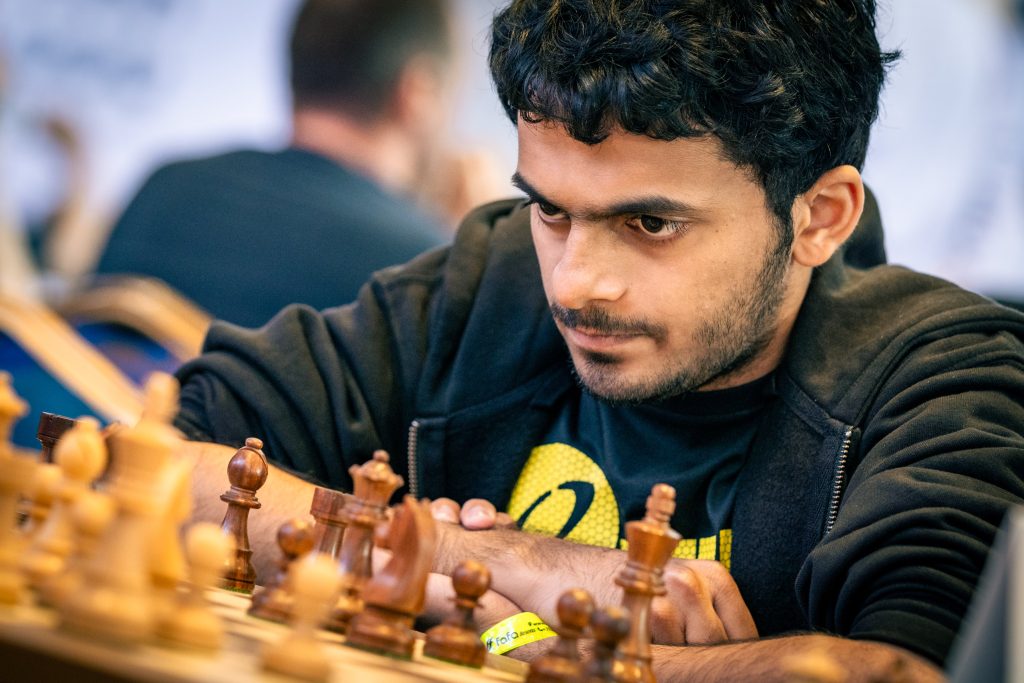
At the Grand Swiss, Nihal faced some of the world’s toughest grandmasters and walked away with a series of inspired results. His poise under pressure, ability to recover from slow starts, and remarkable endgame precision earned him valuable rating points — enough to reach the historic mark.
But the climb didn’t begin there. Earlier this year, Nihal enjoyed a solid run at the Tashkent Open (Agzamov Memorial), displaying a balance of aggression and control that marked his growing maturity. Each event this season added layers of strength to his game — and the October 2025 rating list simply confirmed what chess fans already sensed: Nihal Sarin is ready for the top tier.
𝐓𝐡𝐞 𝐒𝐢𝐠𝐧𝐢𝐟𝐢𝐜𝐚𝐧𝐜𝐞 𝐨𝐟 𝐭𝐡𝐞 𝟐𝟕𝟎𝟎 𝐂𝐥𝐮𝐛
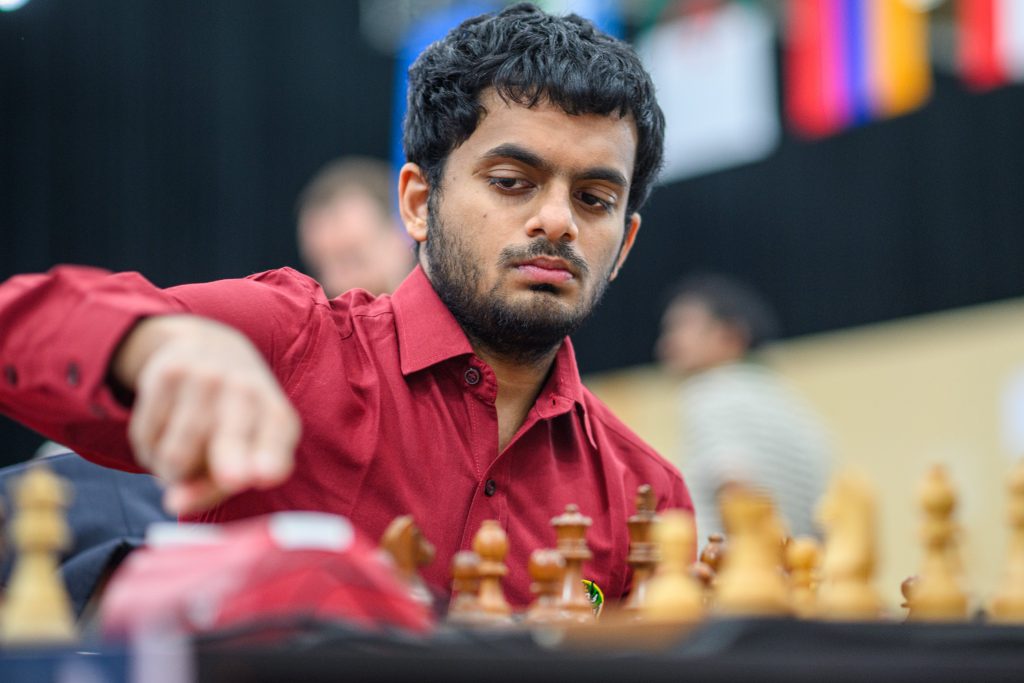
Crossing 2700 isn’t just a milestone — it’s an entrance into chess’s elite inner circle. It’s the point where a player begins to consistently challenge the likes of Carlsen, Ding, Nakamura, and Firouzja in classical events.
For India, it’s yet another proud moment in a golden era of chess excellence. From Anand’s legacy to the rise of Praggnanandhaa, Gukesh, Arjun Erigaisi, and now Nihal Sarin — the nation is crafting a dynasty of thinkers who redefine modern chess. Nihal’s entry into this elite group is a reminder that India’s chess story is only getting stronger.
𝐄𝐲𝐞𝐬 𝐨𝐧 𝐭𝐡𝐞 𝐄𝐮𝐫𝐨𝐩𝐞𝐚𝐧 𝐂𝐥𝐮𝐛 𝐂𝐮𝐩
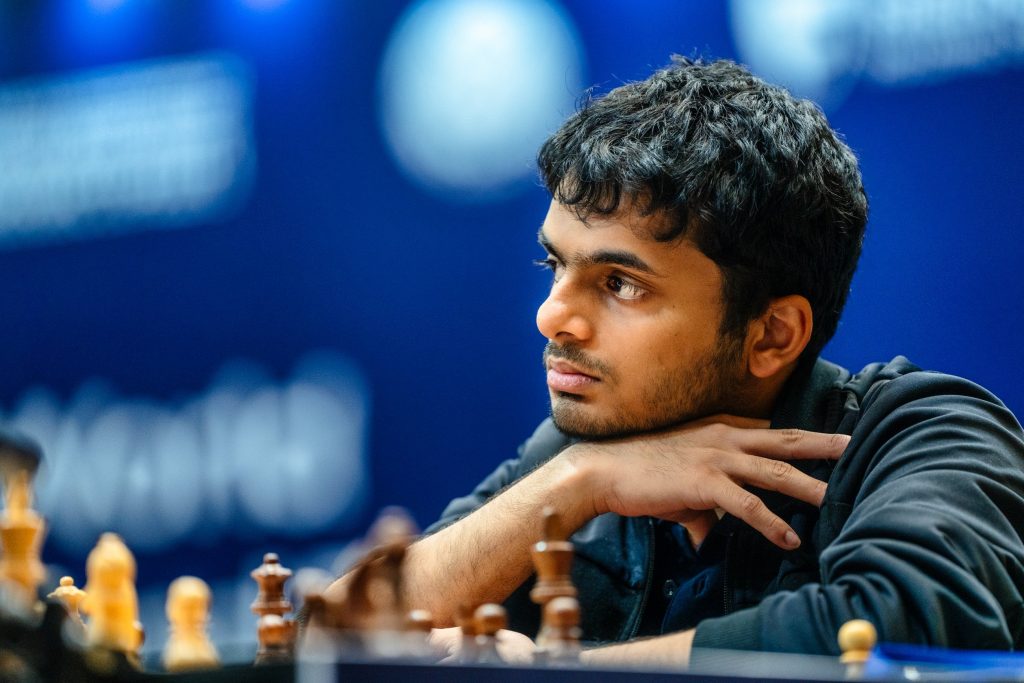
Fresh off this milestone, Nihal is gearing up for his next challenge — representing BayeganPendik Chess Sports Team at the European Club Cup 2025, scheduled from October 19–25. The event will feature some of the world’s strongest players across top European clubs, and Nihal’s inclusion in such a powerhouse team speaks volumes about his growing reputation in international circles.
Fans are eager to see how the newly-minted 2700 player performs under high stakes — a perfect testing ground for a mind that thrives in silence and precision.
𝐀 𝐋𝐞𝐬𝐬𝐨𝐧 𝐟𝐨𝐫 𝐄𝐯𝐞𝐫𝐲 𝐘𝐨𝐮𝐧𝐠 𝐏𝐥𝐚𝐲𝐞𝐫
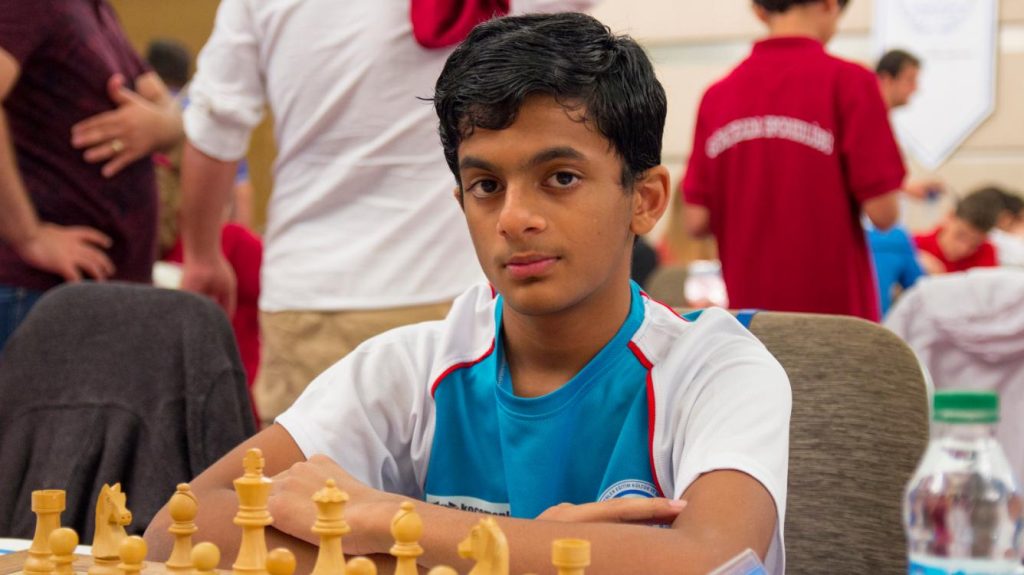
Nihal’s journey is more than an individual achievement — it’s a masterclass in patience and purposeful growth.
Here’s what young players can take from his story:
Consistency wins over chaos. Every tournament, win or lose, was part of Nihal’s larger plan.
Strong mentorship matters. His partnership with GM Vishnu Prasanna highlights the power of structured coaching.
Stay humble, stay hungry. Even with international fame, Nihal remains deeply grounded — and that’s what keeps his game evolving.
His journey shows that brilliance in chess isn’t just about speed or tactics; it’s about turning talent into timeless skill.
𝐁𝐞𝐲𝐨𝐧𝐝 𝐍𝐮𝐦𝐛𝐞𝐫𝐬 — 𝐓𝐡𝐞 𝐄𝐬𝐬𝐞𝐧𝐜𝐞 𝐨𝐟 𝐍𝐢𝐡𝐚𝐥
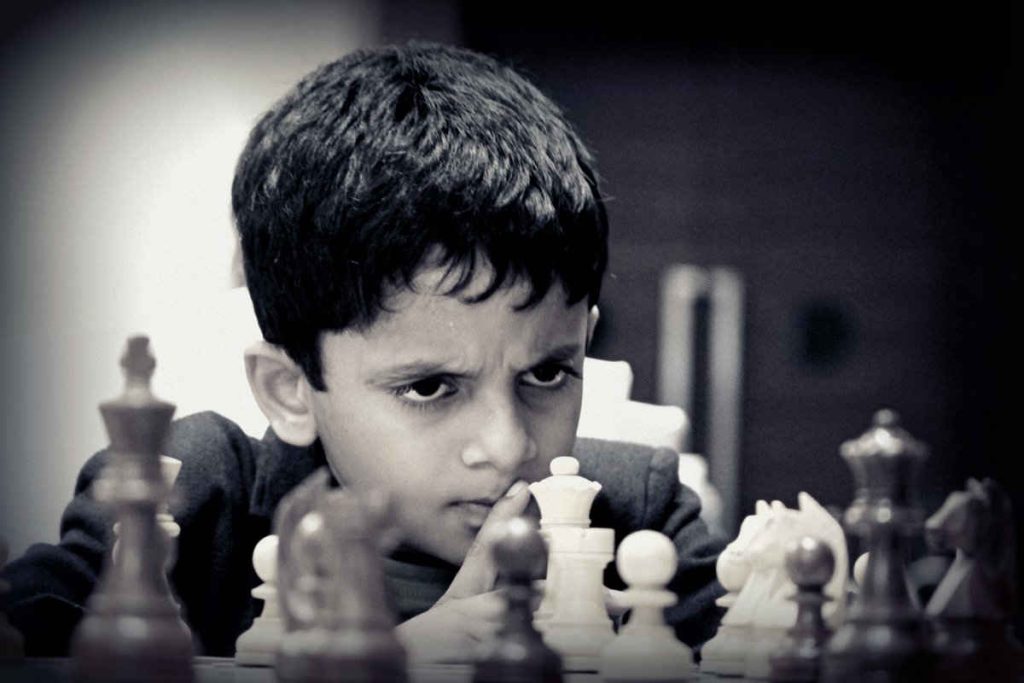
What makes Nihal special is not only his precision but also his personality. Quiet, focused, and often smiling after grueling battles, he plays with the composure of a monk and the creativity of an artist. His presence on the board is calm yet commanding — a rare blend that makes him a true fan favorite.
Breaking into 2700 is just the beginning of what promises to be an inspiring chapter. As the chess world watches closely, one thing is certain: Nihal Sarin isn’t just reaching milestones — he’s redefining them.
𝐅𝐢𝐧𝐚𝐥 𝐓𝐡𝐨𝐮𝐠𝐡𝐭
With each move, Nihal continues to prove that chess greatness is not a matter of age but of attitude. His journey from a gifted child to a world-class grandmaster reflects the future of Indian chess — intelligent, fearless, and unstoppable. 𝐆𝐌 𝐕𝐢𝐬𝐡𝐧𝐮 𝐏𝐫𝐚𝐬𝐚𝐧𝐧𝐚, 𝐂𝐨-𝐟𝐨𝐮𝐧𝐝𝐞𝐫 𝐨𝐟 𝐭𝐡𝐞 𝐌𝐚𝐝𝐫𝐚𝐬 𝐒𝐜𝐡𝐨𝐨𝐥 𝐨𝐟 𝐂𝐡𝐞𝐬𝐬 𝐚𝐧𝐝 𝐟𝐨𝐫𝐦𝐞𝐫 𝐜𝐨𝐚𝐜𝐡 𝐨𝐟 𝐖𝐨𝐫𝐥𝐝 𝐂𝐡𝐚𝐦𝐩𝐢𝐨𝐧 𝐃. 𝐆𝐮𝐤𝐞𝐬𝐡, continues to inspire and shape the next generation of talents. Nihal’s story is living proof of what expert training and dedication can achieve.
So why wait? 𝐄𝐧𝐫𝐨𝐥𝐥 𝐲𝐨𝐮𝐫 𝐤𝐢𝐝𝐬 𝐚𝐭 𝐭𝐡𝐞 𝐌𝐚𝐝𝐫𝐚𝐬 𝐒𝐜𝐡𝐨𝐨𝐥 𝐨𝐟 𝐂𝐡𝐞𝐬𝐬— where future champions like Nihal and Gukesh begin their journey to rule the chess world.
𝐖𝐡𝐚𝐭𝐞𝐯𝐞𝐫 𝐭𝐡𝐞 𝐚𝐧𝐬𝐰𝐞𝐫, 𝐭𝐡𝐞 𝐛𝐨𝐚𝐫𝐝 𝐢𝐬 𝐫𝐞𝐚𝐝𝐲 — 𝐚𝐧𝐝 𝐬𝐨 𝐢𝐬 𝐡𝐞.
♟️ Ready to Level Up Your Game?
𝐉𝐨𝐢𝐧 𝐌𝐚𝐝𝐫𝐚𝐬 𝐒𝐜𝐡𝐨𝐨𝐥 𝐨𝐟 𝐂𝐡𝐞𝐬𝐬 𝐭𝐨 𝐝𝐞𝐟𝐞𝐚𝐭 𝐲𝐨𝐮𝐫 𝐨𝐩𝐩𝐨𝐧𝐞𝐧𝐭 𝐰𝐢𝐭𝐡 𝐛𝐫𝐢𝐥𝐥𝐢𝐚𝐧𝐜𝐞 𝐚𝐧𝐝 𝐩𝐫𝐞𝐜𝐢𝐬𝐢𝐨𝐧!
📍 Locations: T.Nagar | Anna Nagar | Mandaveli | Online
📞 Call: +91 98404 03376
🌐 Visit: www.madrasschoolofchess.com
📲 Follow us: @madrasschoolofchess
Chess Blunders: Why Players Throw Away Winning Positions
Sep 23rd, 2025
There is a saying that echoes in every tournament hall: “The hardest game to win is the one that’s already won.”
At first, it sounds puzzling. After all, once a player has the advantage, the rest should be simple — right? But anyone who has played chess knows the truth: winning positions are delicate, and many victories have dissolved into draws or even defeats.
Why does this happen so often? Why is it that players falter not in the struggle to gain an advantage, but in the act of converting it? The answer lies in the fascinating blend of psychology, strategy, and discipline that defines chess.
- The Psychological Traps of Winning Positions

A position of strength is not just a test of skill — it’s a test of the mind.
Overconfidence
Once ahead, players often breathe a sigh of relief. The intensity fades, and calculation becomes sloppy. The brain shifts from “hunting for victory” to “expecting victory.” This subtle change is dangerous, because chess punishes even a moment of carelessness.
Excessive Caution
The opposite problem is equally common. With a winning position in hand, players suddenly become afraid of making any mistake. The desire to protect the advantage makes them passive. Instead of finishing off the game, they hand over the initiative to their opponent.
Time Pressure
Many victories are lost on the clock, not on the board. Players often burn precious minutes searching for the most “beautiful” or “cleanest” win. When the time finally runs out, panic sets in and accuracy disappears.
Emotional Tilt
Making one mistake in a balanced game is frustrating. But making a slip in a winning position feels devastating. That emotional shock often leads to further errors, turning an almost certain win into a painful collapse.
Psychology, more than calculation, is often the first enemy of conversion.
- Strategic and Technical Missteps

Even with nerves of steel, strategy can betray the player who forgets the fundamentals.
Imprecision in Calculation
A common error is assuming intuition is enough once the advantage is secured. But winning often requires more accuracy, not less. One careless move can open doors that should have remained closed.
Ignoring Counterplay
A winning position does not mean the opponent has no ideas. Too many players dismiss small threats until they snowball into game-changing opportunities. Respecting the opponent’s resources is essential, even when miles ahead.
Piece Coordination
A material edge means little if the pieces do not work together. Misplaced rooks, passive bishops, or isolated queens can turn a dominant position into chaos. Chess is about harmony, and even in victory, coordination matters.
Endgame Challenges
The endgame is where many victories die. Rook endings, in particular, are notorious for being “drawn despite advantage.” Stalemates, perpetual checks, and pawn races lurk around every corner, waiting for a single careless move.
- Tactical Oversights That Flip the Board
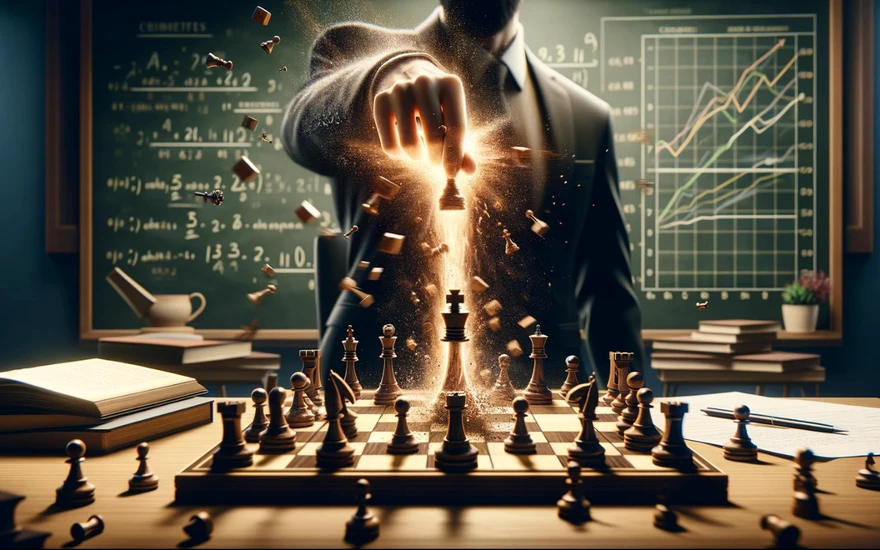
Chess is unforgiving when tactics are ignored. Even in dominant positions, small tactical lapses can undo everything.
Forgetting Forcing Moves
Checks, captures, and threats are the heartbeat of chess. Yet players often overlook them once they feel the game is under control. A single forcing move by the opponent can swing the evaluation from +5 to 0.
Premature Simplification
“Trade pieces to win” is common advice, but blindly following it is dangerous. Exchanging without calculation can erase an advantage, especially if the simplified position helps the defender.
Draw Tricks
The defending side is often at their most resourceful when under pressure. Perpetual checks, stalemates, and repetition tricks appear exactly when the attacker stops paying attention. What looked like a certain win suddenly dissolves into a half-point.
- The Discipline of Conversion
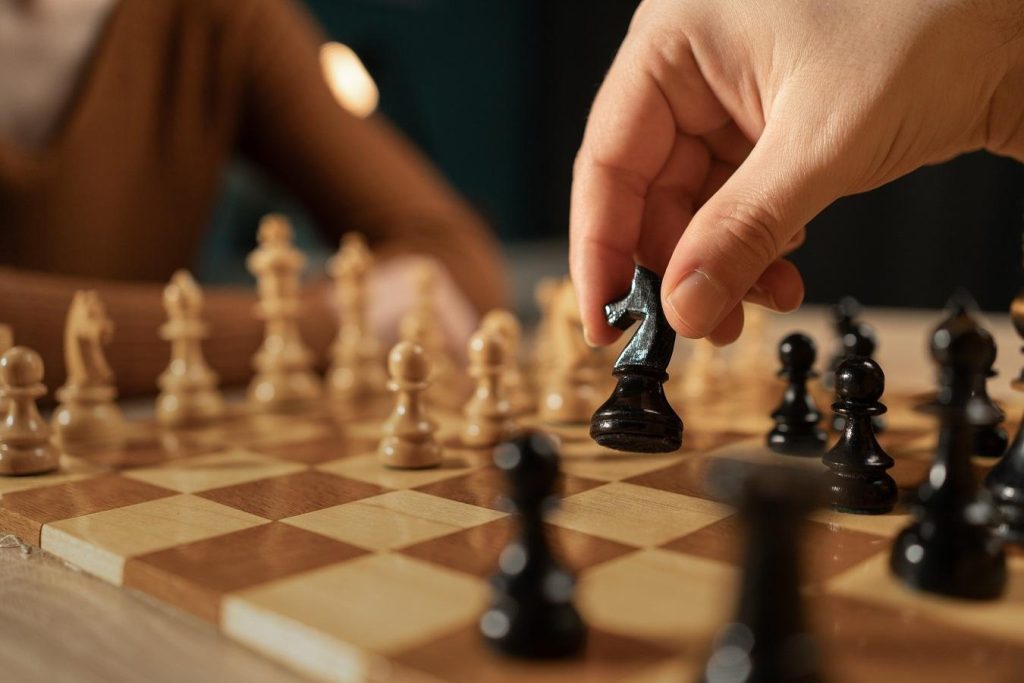
How can players prevent these collapses? The key is discipline — not only in calculation, but in mindset.
Every Move Still Matters
A winning position is not a guarantee. The board does not play itself. Treat every move with the same seriousness as in the opening battle.
Respect the Defender’s Tenacity
Strong defenders refuse to crumble. Assuming the opponent will resign is an illusion. Victory must be earned, move by move.
Prophylactic Thinking
Conversion is not just about pursuing your plan. It is equally about cutting off the opponent’s last chances. Stopping counterplay is often the final step to securing the point.
Time Management
It is better to win with a practical, solid line than to lose chasing a flashy idea with seconds on the clock. Efficiency on the clock is as critical as accuracy on the board.
- Lessons From Countless Games

History is filled with games where players achieved everything they could hope for — extra pawns, active pieces, dominant positions — and still failed to convert. In each case, the reasons follow the same themes: a moment of fear, an unnecessary retreat, an overlooked tactic, or wasted time.
The beauty of chess lies in this razor’s edge. The game reminds us that no position is truly safe until the final move is played.
Final Thought
The irony of chess is clear: the moment victory feels certain is often the moment danger is greatest. A player who relaxes too soon risks losing everything that was built.
The board punishes arrogance, fear, distraction, and impatience alike. Winning positions demand calm nerves, sharp focus, and precise execution until the very end.
💡 The most dangerous place in chess isn’t being behind — it’s being ahead and believing the game is already yours.
♟️ Ready to Level Up Your Game?
𝐉𝐨𝐢𝐧 𝐌𝐚𝐝𝐫𝐚𝐬 𝐒𝐜𝐡𝐨𝐨𝐥 𝐨𝐟 𝐂𝐡𝐞𝐬𝐬 𝐭𝐨 𝐝𝐞𝐟𝐞𝐚𝐭 𝐲𝐨𝐮𝐫 𝐨𝐩𝐩𝐨𝐧𝐞𝐧𝐭 𝐰𝐢𝐭𝐡 𝐛𝐫𝐢𝐥𝐥𝐢𝐚𝐧𝐜𝐞 𝐚𝐧𝐝 𝐩𝐫𝐞𝐜𝐢𝐬𝐢𝐨𝐧!
📍 Locations: T.Nagar | Anna Nagar | Mandaveli | Online
📞 Call: +91 98404 03376
🌐 Visit: www.madrasschoolofchess.com
📲 Follow us: @madrasschoolofchess
𝐀 𝐇𝐢𝐬𝐭𝐨𝐫𝐢𝐜 𝐓𝐫𝐢𝐮𝐦𝐩𝐡: 𝐌𝐚𝐝𝐫𝐚𝐬 𝐒𝐜𝐡𝐨𝐨𝐥 𝐨𝐟 𝐂𝐡𝐞𝐬𝐬 𝐂𝐨𝐚𝐜𝐡 𝐃𝐚𝐤𝐬𝐡𝐢𝐭𝐚 𝐊𝐮𝐦𝐚𝐰𝐚𝐭 𝐂𝐫𝐞𝐚𝐭𝐞𝐬 𝐇𝐢𝐬𝐭𝐨𝐫𝐲 𝐚𝐭 𝐑𝐚𝐣𝐚𝐬𝐭𝐡𝐚𝐧 𝐒𝐞𝐧𝐢𝐨𝐫 𝐒𝐭𝐚𝐭𝐞 𝐂𝐡𝐞𝐬𝐬 𝐂𝐡𝐚𝐦𝐩𝐢𝐨𝐧𝐬𝐡𝐢𝐩 𝟐𝟎𝟐𝟓
Sep 09th, 2025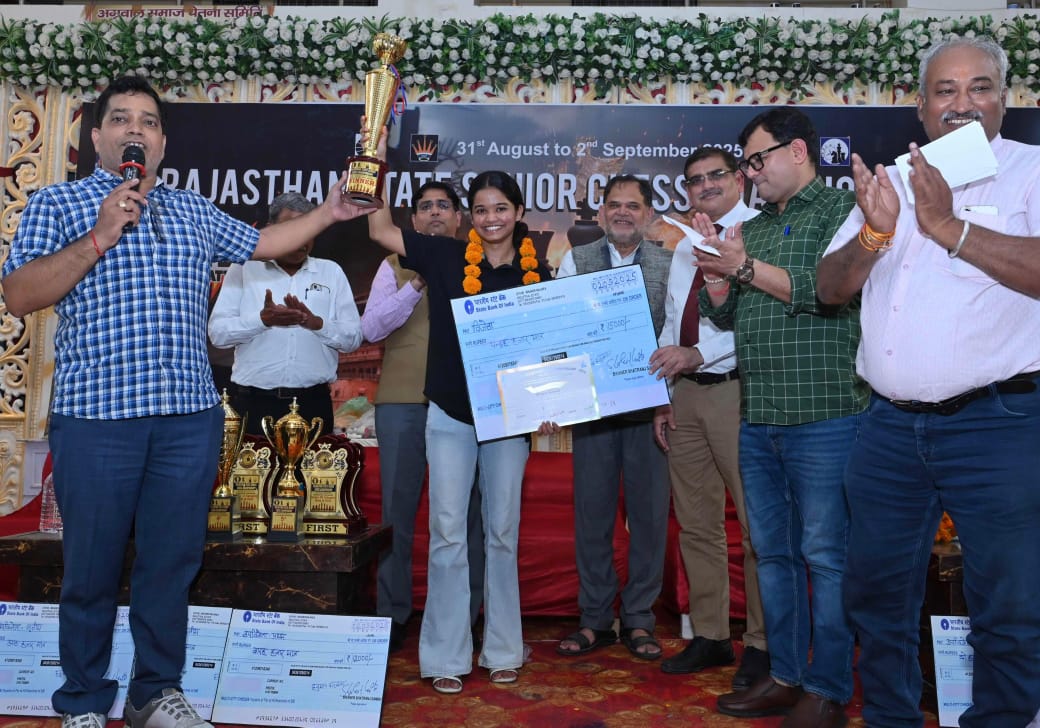
The chess world in Rajasthan witnessed a moment of sheer brilliance as Ms. Dakshita Kumawat, Online Coach of Madras School of Chess, etched her name into history. At just 2025’s Rajasthan Senior State Chess Championship, held in Bikaner from August 31 to September 2, she not only clinched the prestigious title but also broke barriers, becoming the youngest-ever champion and only the second woman in history to win Rajasthan’s most coveted open title.
𝐁𝐞𝐚𝐭𝐢𝐧𝐠 𝐭𝐡𝐞 𝐎𝐝𝐝𝐬 𝐢𝐧 𝐚 𝐅𝐢𝐞𝐫𝐜𝐞 𝐅𝐢𝐞𝐥𝐝
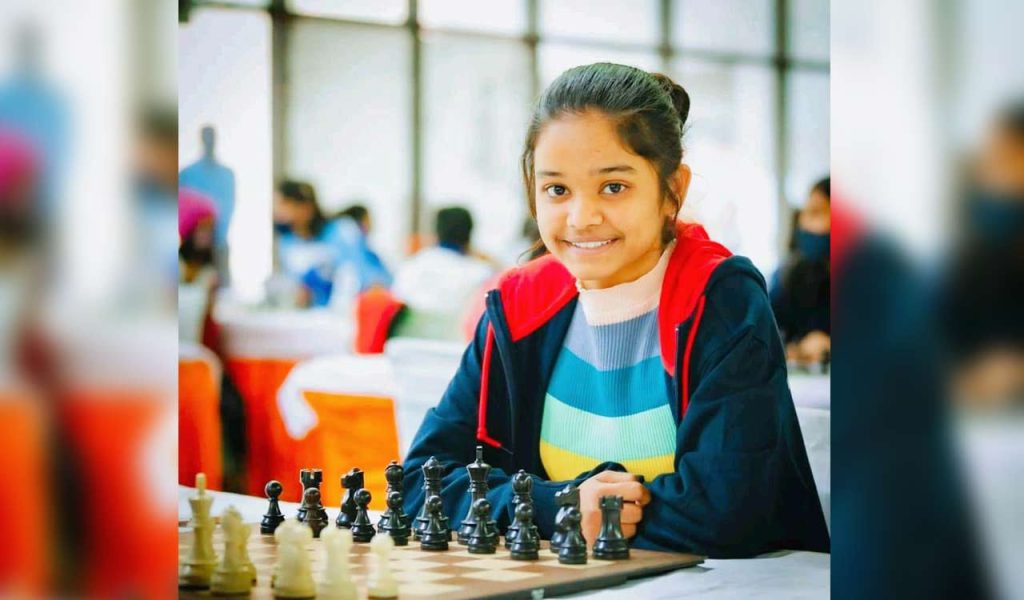
The championship saw a massive turnout of 303 participants, including seasoned veterans and highly-rated players. Seeded 6th at the start of the tournament, Dakshita displayed nerves of steel and a sharp tactical vision throughout the event. Across 8 intense rounds, she remained unbeaten, scoring 6 wins and 2 draws, amassing an impressive 7 points. Her consistency, strategic depth, and fearless play left both opponents and spectators in awe.
Her run wasn’t just about victory—it was about domination. With each round, Dakshita grew stronger, proving that preparation, focus, and determination can outshine even the most experienced contenders.
𝐀 𝐂𝐡𝐚𝐦𝐩𝐢𝐨𝐧 𝐨𝐟 𝐂𝐡𝐚𝐦𝐩𝐢𝐨𝐧𝐬
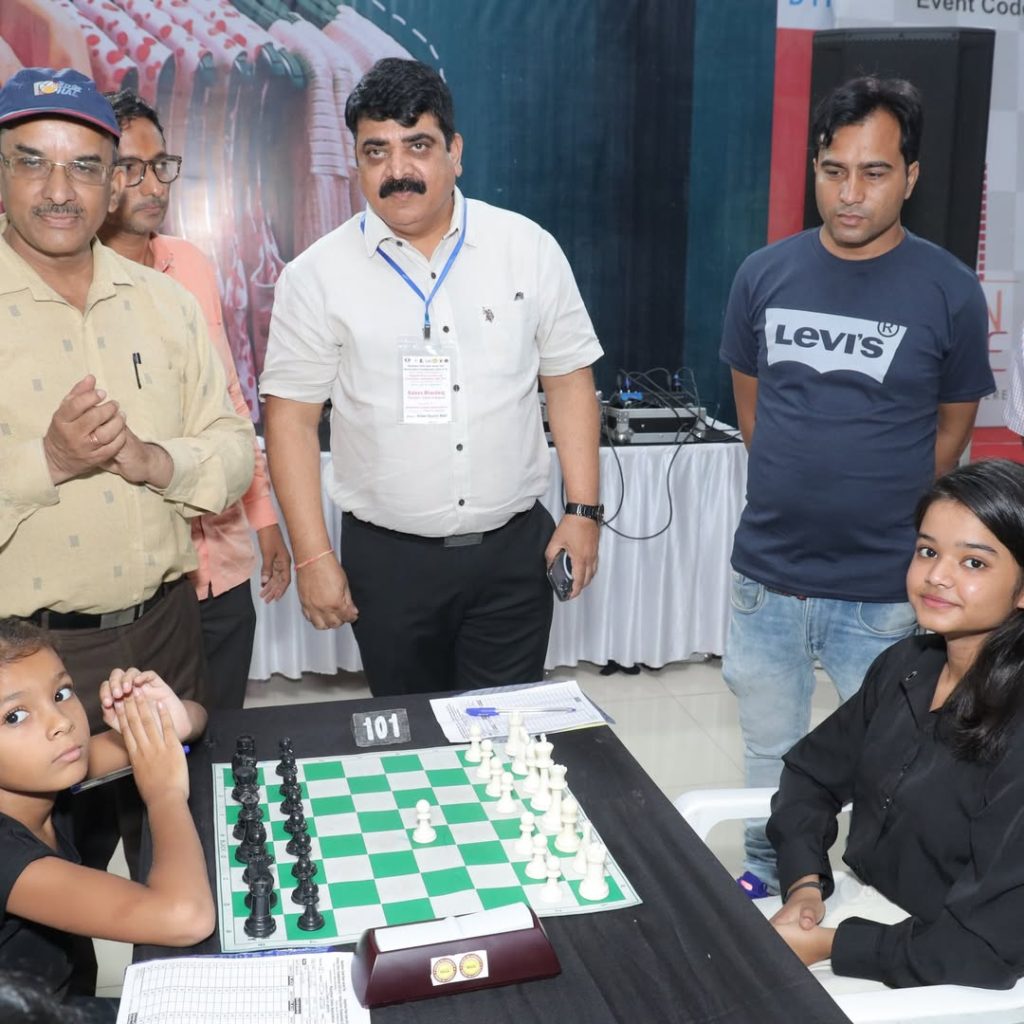
What makes this victory even more extraordinary is that Dakshita is already the reigning Rajasthan Women’s Senior Champion, a crown she has proudly held for four consecutive years. In fact, she has remained undefeated in every women’s state-level event she has participated in, a testament to her resilience and commitment to the game.
By conquering the Senior Open Championship, she has transcended barriers, becoming a role model not just for women, but for every aspiring chess player who dreams of competing at the highest level.
𝐀 𝐇𝐢𝐬𝐭𝐨𝐫𝐢𝐜 𝐌𝐨𝐦𝐞𝐧𝐭 𝐟𝐨𝐫 𝐖𝐨𝐦𝐞𝐧 𝐢𝐧 𝐂𝐡𝐞𝐬𝐬
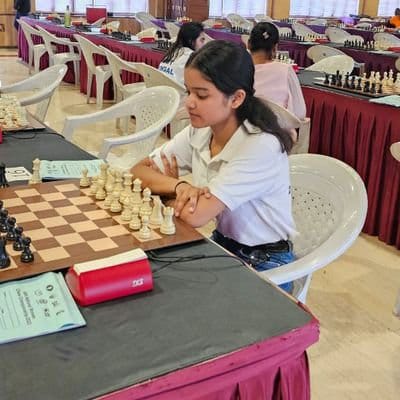
After a gap of seven years, a woman has once again claimed Rajasthan’s most prestigious open chess title. Dakshita’s win is not just a personal achievement—it is a historic breakthrough for women in chess, symbolizing the growing strength and recognition of female players in competitive arenas traditionally dominated by men.
Her success is a powerful reminder that talent knows no boundaries. With her remarkable journey, Dakshita has become a torchbearer for the next generation of women in chess, inspiring countless young minds to chase their dreams across the 64 squares.
𝐌𝐚𝐝𝐫𝐚𝐬 𝐒𝐜𝐡𝐨𝐨𝐥 𝐨𝐟 𝐂𝐡𝐞𝐬𝐬: 𝐒𝐡𝐚𝐩𝐢𝐧𝐠 𝐂𝐡𝐚𝐦𝐩𝐢𝐨𝐧𝐬 𝐟𝐨𝐫 𝐓𝐨𝐦𝐨𝐫𝐫𝐨𝐰
At Madras School of Chess, we take immense pride in having Dakshita Kumawat as part of our coaching team. Her journey is a reflection of our academy’s vision—to nurture talent, instill discipline, and create champions who not only win titles but also inspire communities.
Her triumph is proof that with the right guidance, dedication, and opportunities, young players can rise to unimaginable heights. For the students of MSC, learning from a coach of such caliber is a privilege that brings them closer to their own dreams of chess glory.
𝐓𝐡𝐞 𝐑𝐨𝐚𝐝 𝐀𝐡𝐞𝐚𝐝
For Dakshita, this is just the beginning. With her hunger for success and relentless drive, the chess world can expect many more milestones from her in the years to come. As she continues to break barriers and rewrite records, one thing is certain—her name will be remembered as one of the brightest stars in Rajasthan’s and India’s chess history.
✅𝐀𝐭 𝐌𝐚𝐝𝐫𝐚𝐬 𝐒𝐜𝐡𝐨𝐨𝐥 𝐨𝐟 𝐂𝐡𝐞𝐬𝐬, 𝐰𝐞 𝐜𝐞𝐥𝐞𝐛𝐫𝐚𝐭𝐞 𝐧𝐨𝐭 𝐣𝐮𝐬𝐭 𝐯𝐢𝐜𝐭𝐨𝐫𝐢𝐞𝐬, 𝐛𝐮𝐭 𝐭𝐡𝐞 𝐬𝐭𝐨𝐫𝐢𝐞𝐬 𝐨𝐟 𝐩𝐞𝐫𝐬𝐞𝐯𝐞𝐫𝐚𝐧𝐜𝐞, 𝐠𝐫𝐢𝐭, 𝐚𝐧𝐝 𝐛𝐫𝐢𝐥𝐥𝐢𝐚𝐧𝐜𝐞 𝐭𝐡𝐚𝐭 𝐬𝐡𝐚𝐩𝐞 𝐭𝐡𝐞𝐦.
♟️ Ready to Level Up Your Game?
👉 𝐉𝐨𝐢𝐧 𝐌𝐒𝐂 – 𝐭𝐡𝐞 𝐛𝐞𝐬𝐭 𝐜𝐡𝐞𝐬𝐬 𝐚𝐜𝐚𝐝𝐞𝐦𝐲 𝐧𝐞𝐚𝐫 𝐲𝐨𝐮, 𝐰𝐡𝐞𝐫𝐞 𝐞𝐯𝐞𝐫𝐲 𝐦𝐨𝐯𝐞 𝐭𝐚𝐤𝐞𝐬 𝐲𝐨𝐮 𝐜𝐥𝐨𝐬𝐞𝐫 𝐭𝐨 𝐛𝐞𝐜𝐨𝐦𝐢𝐧𝐠 𝐚 𝐜𝐡𝐚𝐦𝐩𝐢𝐨𝐧.
📍 Locations: T.Nagar | Anna Nagar | Mandaveli | Online
📞 Call: +91 98404 03376
🌐 Visit: www.madrasschoolofchess.com
📲 Follow us: @madrasschoolofchess
Mastering Chess Position Evaluation: A Practical 5-Step Guide
Aug 26th, 2025
Evaluating a position accurately is a key skill for chess players seeking to improve their game. While beginners may rely on simple tactics or material count, understanding the broader dynamics of a position is crucial as one progresses. Drawing insights from experienced Grandmasters and multiple professional sources, this guide simplifies the process of evaluation into five core steps. Each step offers a practical lens to assess the board and make better decisions during a game.

Why Evaluate Positions in Chess?
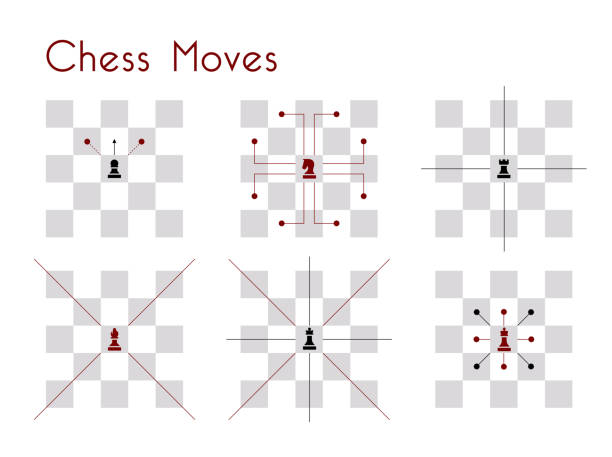
In any given position, players typically have several viable moves. Without a clear evaluation, it’s difficult to decide which move aligns best with the position’s requirements. Evaluation acts as a strategic compass, guiding players towards choices that improve their position or maintain their advantage. Rather than relying on engine numbers like +0.4, players benefit more from human-centric assessments such as ‘better’, ‘worse’, or ‘unclear but with chances’.
The 5-Step Method for Evaluating Chess Positions
1. King Safety

The safety of the King is paramount. Even with superior material or positioning, an unsafe King can end the game abruptly. Evaluating King safety includes checking if the King is castled, whether there are open files nearby, pawn shields, and how many defensive and attacking pieces are active around the King. A general rule is: if your King is safer, avoid trading pieces. If not, aim to simplify.
2. Material Balance

Only after ensuring King safety should material be evaluated. Count each side’s total material, but understand that a simple material advantage doesn’t guarantee a better position. Always weigh material against the activity and coordination of pieces.
3. Piece Activity
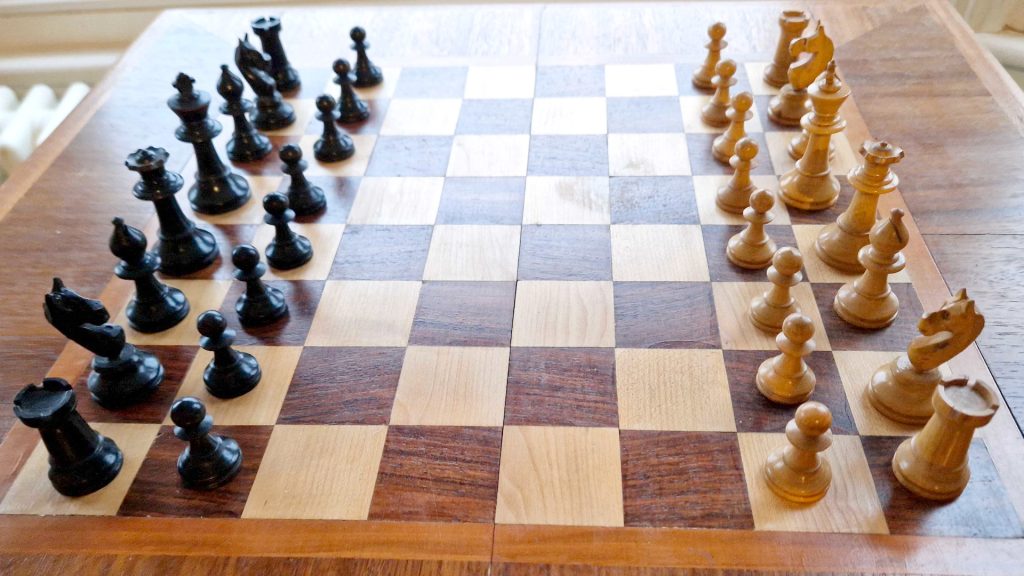
Material is potential; activity is what the pieces are actually achieving. A rook trapped on its first rank is less valuable than an active Knight deep in enemy territory. Always check which side has better control of central squares, more active pieces, and tactical opportunities.
4. Pawn Structure and Long-Term Factors

Pawn structure influences the game’s long-term strategy. Weaknesses like isolated, doubled, or backward pawns often become targets in the endgame. A healthy structure allows fluid piece movement and supports long-term planning. When short-term advantages are equal, structure becomes decisive.
5. Space Advantage

The side with more space typically enjoys greater mobility and coordination. With more pieces on the board, limited space restricts development and planning. The general principle here is: the side with less space should exchange pieces; the side with more space should keep them.
How This Affects Decision Making
When evaluating a position, determine whether the advantages lie in short-term factors (King safety, material, activity) or long-term factors (structure, space). If leading in short-term factors, act decisively and seek immediate benefits. If ahead in long-term elements, avoid complications and look to slowly convert your advantage.
Conclusion
Evaluating a chess position effectively is not about memorizing formulas—it’s about training your chess intuition and applying it consistently. By following this 5-step method, players at any level can begin to see the game with more clarity. Over time, this process becomes second nature, helping you make sound decisions, avoid blunders, and develop a deeper understanding of chess strategy.
♟️ Ready to Level Up Your Game?
𝐉𝐨𝐢𝐧 𝐌𝐚𝐝𝐫𝐚𝐬 𝐒𝐜𝐡𝐨𝐨𝐥 𝐨𝐟 𝐂𝐡𝐞𝐬𝐬 𝐭𝐨 𝐝𝐞𝐟𝐞𝐚𝐭 𝐲𝐨𝐮𝐫 𝐨𝐩𝐩𝐨𝐧𝐞𝐧𝐭 𝐰𝐢𝐭𝐡 𝐛𝐫𝐢𝐥𝐥𝐢𝐚𝐧𝐜𝐞 𝐚𝐧𝐝 𝐩𝐫𝐞𝐜𝐢𝐬𝐢𝐨𝐧!
📍 Locations: T.Nagar | Anna Nagar | Mandaveli | Online
📞 Call: +91 98404 03376
🌐 Visit: www.madrasschoolofchess.com
📲 Follow us: @madrasschoolofchess
© The Madras School of Chess
Created by Webdzo
 Chat with us