Can You Play Chess Without Seeing the Board? The Amazing World of Blindfold Chess
Oct 26th, 2026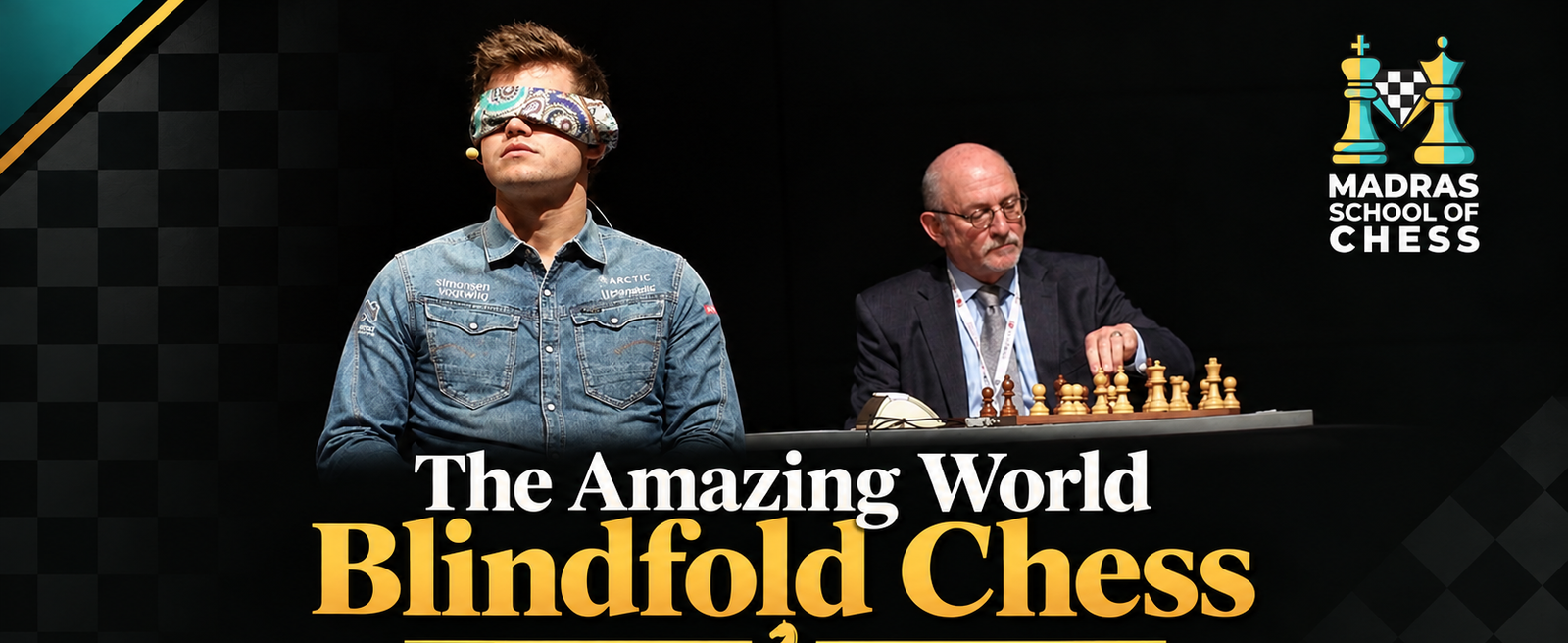
Imagine playing an entire chess game without looking at the board or touching a single chess piece. Sounds impossible, right? For some chess players, this is a real skill called blindfold chess.
Blindfold chess is one of the most fascinating parts of the game. It shows how powerful the human mind can be when it comes to memory, concentration, and visualisation.
What Is Blindfold Chess?
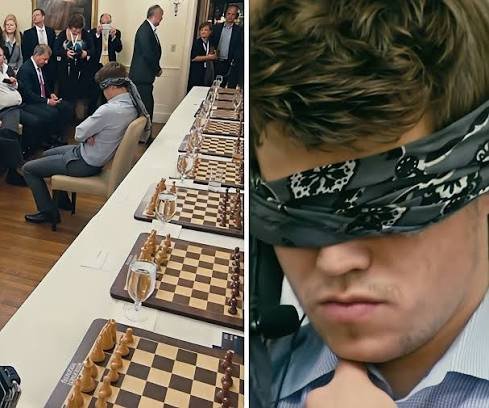
Blindfold chess is a way of playing chess without physically seeing the board or the pieces. Players remember the position of every piece and announce their moves using chess notation or spoken instructions.
For example, instead of moving a knight on the board, a player might simply say, “Knight to f3.” Both players must keep track of the changing position in their minds.
Every move changes the position, so players need to remember where the pieces are, calculate possible moves, and plan their strategies without a physical board in front of them.
How Do Chess Players Play Without Seeing the Board?
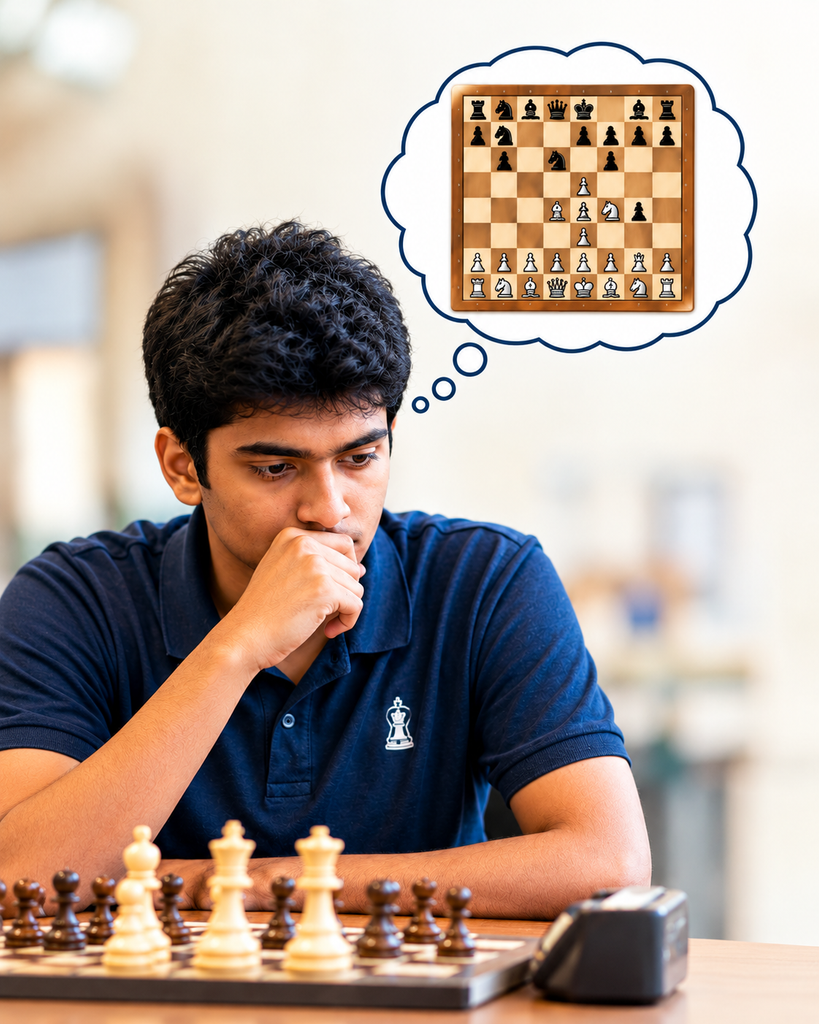
You might wonder how anyone can remember so many pieces and moves. The secret is not just having a great memory. Experienced players build strong mental pictures of chess positions through practice.
Here are some skills that help them play blindfold chess:
1. Visualisation
Players create a mental image of the chessboard and imagine how the pieces move after each turn.
2. Pattern Recognition
Experienced players recognise familiar positions, tactical patterns, and common combinations. This helps them understand the position without memorising every detail separately.
3. Concentration
Even one forgotten move can create confusion. Players must stay focused and update their mental picture after every move.
4. Chess Knowledge
Understanding openings, tactics, and endgames makes it easier to calculate possible positions and plan ahead.
Who Are the Famous Blindfold Chess Players?
Some of the world’s strongest players have demonstrated extraordinary blindfold chess skills.
1. Magnus Carlsen
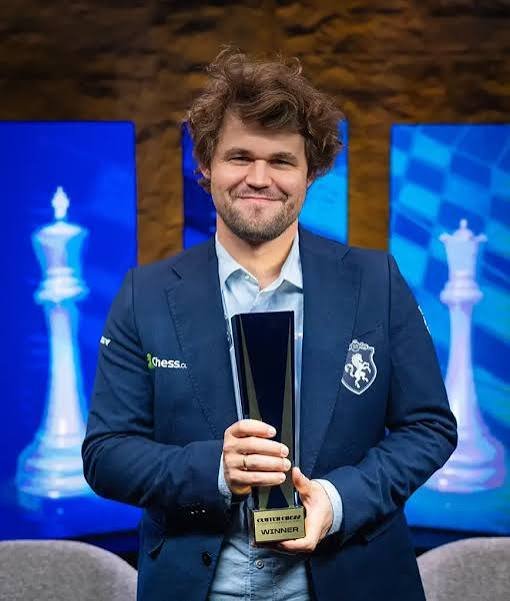
Magnus Carlsen is known for his exceptional positional understanding, calculation, and memory for chess positions. These skills are valuable when playing without a physical board.
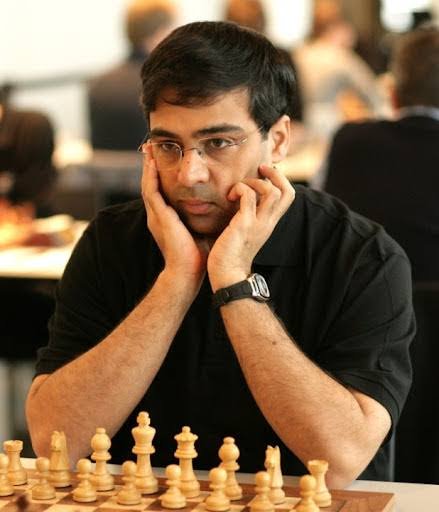
2. Viswanathan Anand
Indian Grandmaster Viswanathan Anand is admired for his speed, calculation, and ability to handle complex positions. His achievements have inspired generations of Indian chess players.
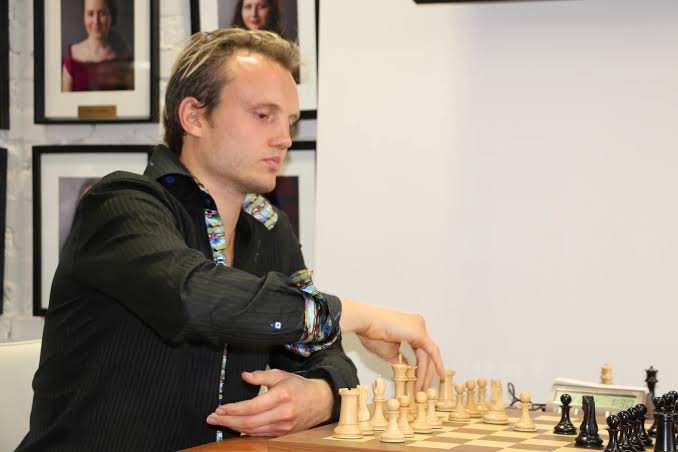
3. Timur Gareyev
Timur Gareyev is famous for blindfold chess exhibitions. In 2016, he played 48 opponents simultaneously while blindfolded, setting a remarkable benchmark for this demanding form of chess.
These players demonstrate how deep chess understanding can help the mind work with complex positions.
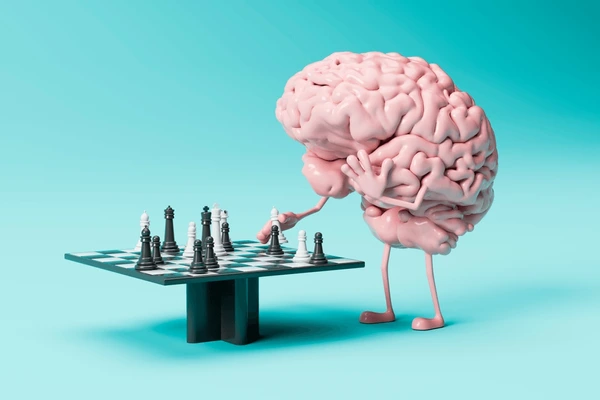
Is Blindfold Chess Good for the Brain?
Blindfold chess requires players to use several mental skills together. Practising it may help develop:
- Memory: Remembering piece positions and previous moves.
- Concentration: Staying focused throughout a game.
- Visualisation: Imagining how the board changes after each move.
- Calculation: Thinking through different possibilities before choosing a move.
- Problem-solving: Finding solutions by evaluating positions and planning ahead.
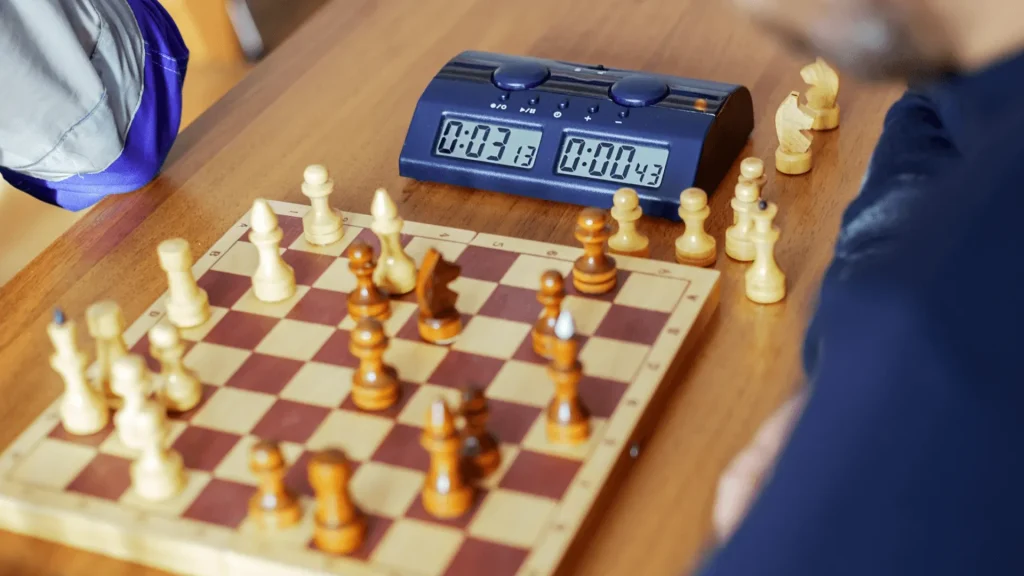
However, blindfold chess is an advanced activity, and it should not be treated as a guaranteed way to improve every aspect of intelligence. Beginners can build these skills gradually through regular chess practice.
Can Beginners Learn Blindfold Chess?
Yes, but there is no need to start by playing an entire game without a board. Beginners should first learn the squares, understand how every piece moves, and practise simple positions.
Here is an easy way to get started:
- Learn to name all 64 squares, from a1 to h8.
- Close your eyes and imagine where the kings and queens begin.
- Practise remembering a few pieces on a small board position.
- Imagine one move and try to identify the piece’s new square.
- Gradually practise short sequences before attempting a complete game.
Start slowly and use a physical board whenever you need help. Accuracy is more important than speed.
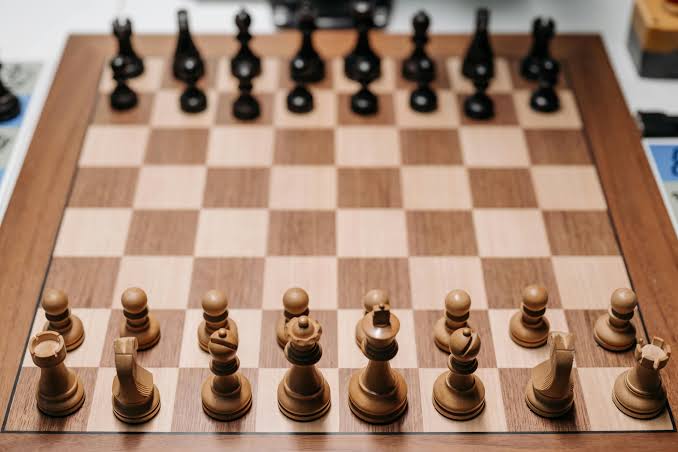
Try This Chess Challenge!
Can you answer these three questions without looking at a chessboard?
Question 1: At the beginning of a standard chess game, which square does the white queen occupy?
Question 2: If a knight is on g1, which square does it move to in the opening move 1. Nf3?
Question 3: In a standard starting position, which square does the black king occupy?
Take a moment to think before checking the answers.
Answers: 1. d1. 2. f3. 3. e8.
If you answered all three correctly, you have taken your first small step towards visualising a chessboard in your mind!
Final Thoughts
Blindfold chess proves that the game is much more than moving pieces across a board. It combines memory, calculation, concentration, and imagination in a remarkable way.
You do not need to be a grandmaster to begin developing these skills. Every chess game you play gives you an opportunity to recognise patterns, think ahead, and make better decisions.
At Madras School of Chess, young players can build their chess knowledge step by step through structured lessons and regular practice. Whether your child is a beginner or preparing for tournaments, learning chess can be an exciting journey.
Want to improve your chess skills? Join Madras School of Chess and take your next step towards becoming a stronger player.
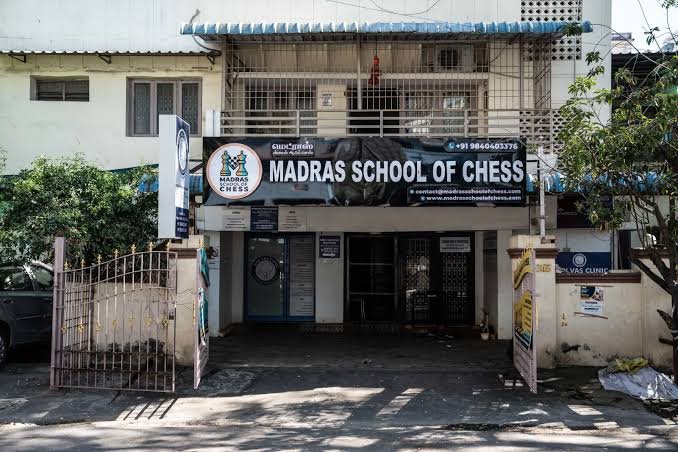
Ready to Level Up Your Game?
𝐉𝐨𝐢𝐧 𝐌𝐚𝐝𝐫𝐚𝐬 𝐒𝐜𝐡𝐨𝐨𝐥 𝐨𝐟 𝐂𝐡𝐞𝐬𝐬 𝐭𝐨 𝐝𝐞𝐟𝐞𝐚𝐭 𝐲𝐨𝐮𝐫 𝐨𝐩𝐩𝐨𝐧𝐞𝐧𝐭 𝐰𝐢𝐭𝐡 𝐛𝐫𝐢𝐥𝐥𝐢𝐚𝐧𝐜𝐞 𝐚𝐧𝐝 𝐩𝐫𝐞𝐜𝐢𝐬𝐢𝐨𝐧!
📍 Locations: T.Nagar | Anna Nagar | Online
📞 Call: +91 98404 03376
🌐 Visit: www.madrasschoolofchess.com
📲 Follow us: @madrasschoolofchess
Madras School of Chess — building stronger chess players, one move at a time.
© The Madras School of Chess
Created by Webdzo
 Chat with us